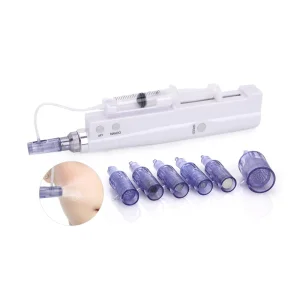
Select premium anti-aging devices optimized for regional assembly pipelines, tax exemptions, and duty reductions.
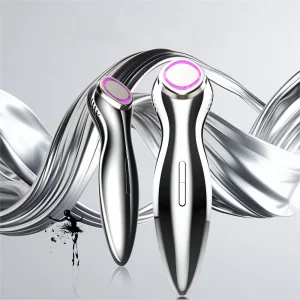
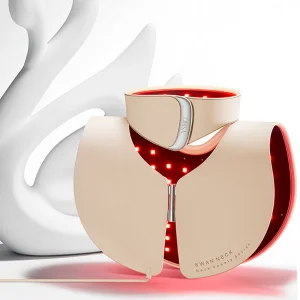
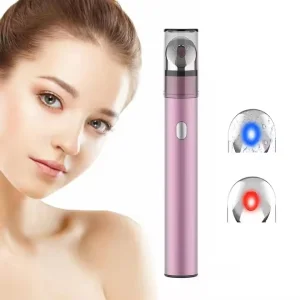
A comparative overview of microelectronics assembly, trade benefits, and sourcing architecture in Southeast Asia.
Over the past decade, the global beauty and wellness tech sectors have witnessed a profound geographical shift. Sourcing directors from North America, Europe, and Japan are looking beyond traditional production hubs. The establishment of smart beauty devices factories in Vietnam has emerged as a cornerstone of the "China+1" strategy, designed to build supply chain resilience and leverage bilateral trade agreements.
Vietnam offers strategic geographic alignment, highly competitive labor dynamics, and unparalleled trade access through agreements like the EVFTA (EU-Vietnam Free Trade Agreement) and CPTPP. However, unlike consumer electronics like smartphones, smart skincare equipment—incorporating Radio Frequency (RF), Electrical Muscle Stimulation (EMS), microcurrents, and medical-grade phototherapy LEDs—requires specialized quality assurance systems. Understanding how Vietnam-based factories interface with Chinese raw material networks is key to optimizing procurement costs.
By shifting the final stage of manufacturing, assembly, and testing of intelligent beauty appliances to Vietnam, international brands can bypass US Section 301 tariffs. This move provides a 25% to 30% tariff reduction, turning a supply chain strategy into a decisive competitive advantage.
Sourcing beauty electronics directly from a pure Vietnam-based operation presents challenges due to the localized component ecosystem. High-quality smart beauty devices require intricate component lists, including precision-engineered PCBAs, microprocessors, optoelectronic sensors, medical-grade silicone, and premium electroplating surfaces. Vietnam is rapidly building local capabilities, but the raw material and semiconductor supply chains remain anchored in Shenzhen.
"A highly resilient, cost-optimized sourcing strategy doesn't abandon Chinese technology. Instead, it relies on a cross-border integration framework: Shenzhen handles advanced R&D, component sourcing, tooling, and PCBA manufacturing, while final system assembly, testing, quality control, packaging, and export are managed in Vietnam."
By leveraging this integration, brands secure the technological dominance, design speed, and component costs of Shenzhen, along with the tax incentives and lower operational overhead of Vietnam-based manufacturing.
Your Strategic Engineering Partner for Cross-Border Beauty Hardware Sourcing
Shenzhen Rudiz Beauty Co., Ltd. is a leading beauty device manufacturer specializing in smart skincare technology, anti-aging beauty equipment, and advanced aesthetic solutions for global brands, distributors, retailers, and professional skincare businesses. Established in 2014, the company is located in Shenzhen, China, a global hub for innovation, electronics manufacturing, and international trade.
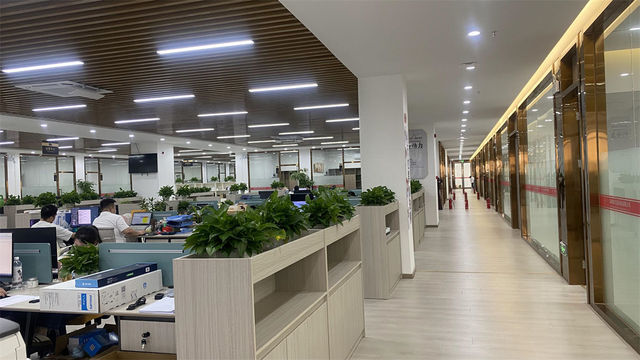
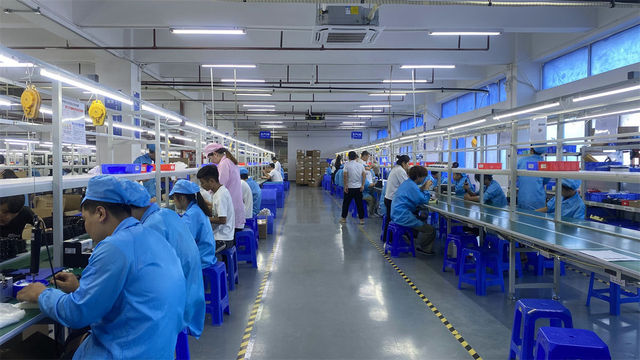
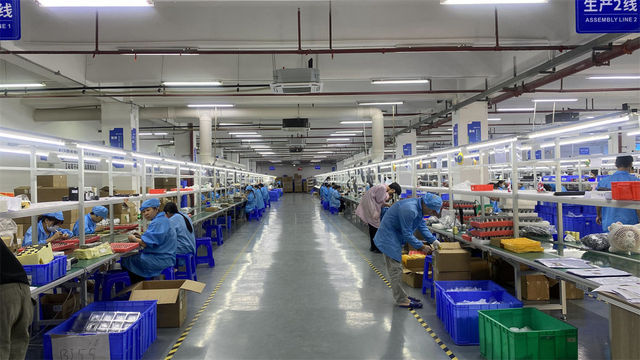
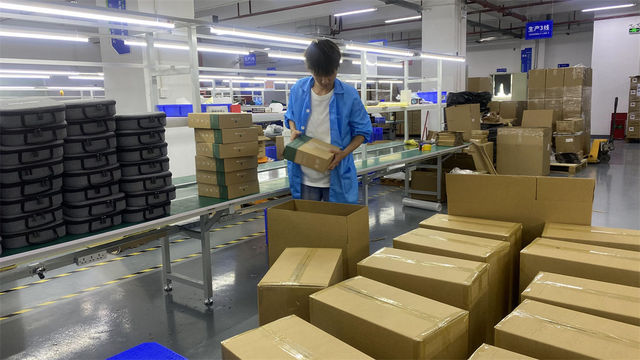
Operating a modern production facility of over 10,000 square meters and supported by a team of over 200 skilled professionals, Rudiz Beauty integrates industrial design, R&D, advanced manufacturing, rigid quality control, and global logistics into a seamless production system. The company invests continuously in cutting-edge beauty technologies and product innovation to satisfy the growing demand for safe, effective, and user-friendly skincare solutions.
As an experienced OEM and ODM partner, Rudiz Beauty offers comprehensive product customization, industrial design, private labeling, custom packaging, and flexible production services. With its proximity to Vietnam's emerging industrial zones, Rudiz Beauty is uniquely positioned to manage component sourcing, tooling, and electronic sub-assemblies. This allows for smooth shipping to Vietnam for final product integration, helping brands mitigate trade tariffs.
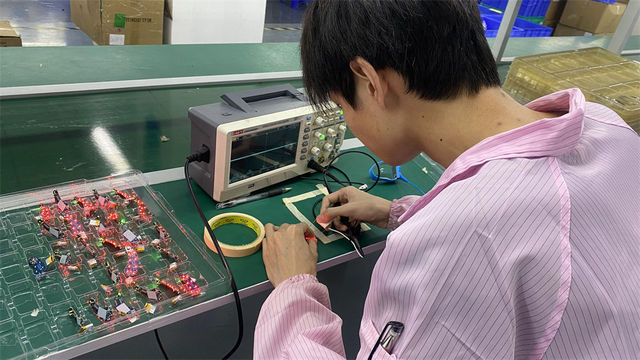
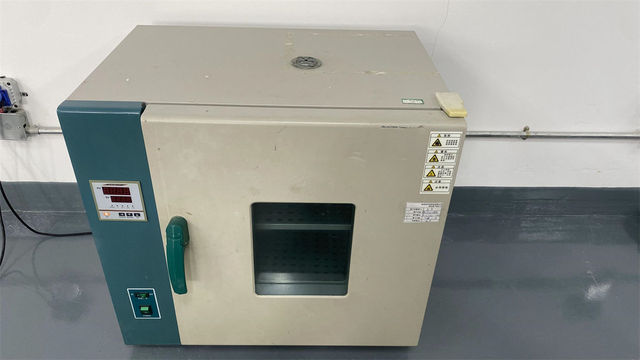
Take a virtual tour of our 10,000㎡ ISO-compliant manufacturing center, R&D labs, and clean room assembly lines.
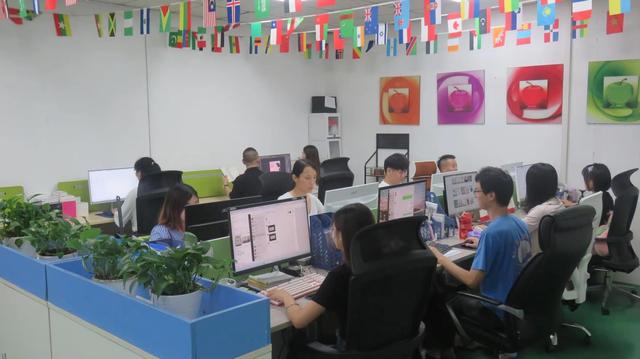
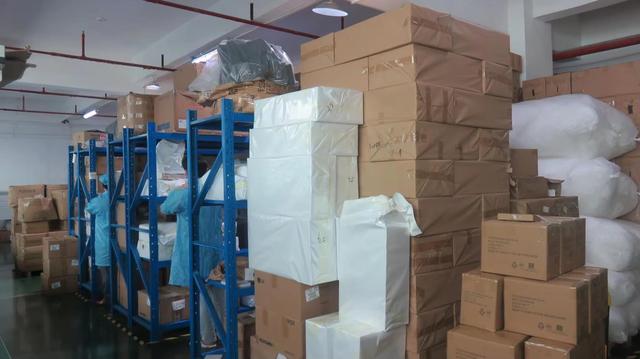
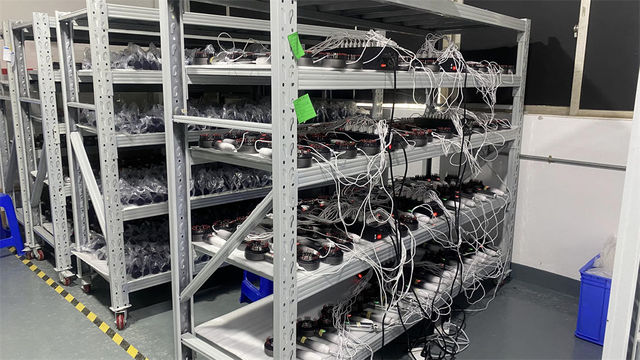
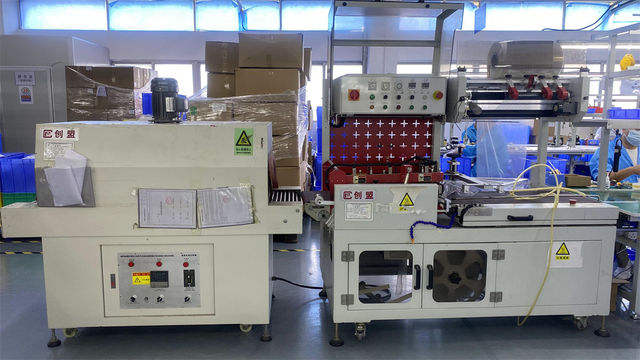
How cross-border partnerships ensure your beauty devices meet FDA, CE, and ISO standards.
Our production facilities maintain strict adherence to ISO 13485 Quality Management Systems for medical devices, ensuring full traceability from raw materials to final packaging.
All customized smart beauty devices are engineered to clear FDA (510k) approval, CE (LVD & EMC directives), RoHS, FCC, and PSE requirements for worldwide distribution.
We perform 100% functional testing, high-pot voltage tests, thermal imaging, battery lifecycle checks, and waterproof testing (IPX7) prior to shipping.
A smart beauty device is an active electronic appliance applied directly to the face and body. Sourcing from unverified factories in Vietnam that lack cleanroom conditions or proper electro-static discharge (ESD) protection risks high product failure rates, skin burns, or battery safety issues. Partnering with a developer like Shenzhen Rudiz Beauty Co., Ltd. ensures that all core electronics are fabricated under strict industrial oversight, and then finished or packaged in regional tariff-free zones with complete safety documentation.
Answers to key questions on tariffs, manufacturing processes, and cross-border capabilities in Vietnam and China.
Yes, Vietnam has expanded its electronics manufacturing base, attracting major assembly facilities. While component sourcing (PCBA, sensors, custom LEDs) still relies on South China ecosystems, many plants in Vietnam handle final assembly, quality control, packaging, and export logistics.
By combining China's R&D, prototyping, and component supply chains with final assembly in Vietnam, you bypass US Section 301 tariffs on Chinese goods. This approach lowers import duties while preserving product quality and engineering integrity.
Yes. We supply semi-knocked-down (SKD) kits, programmed PCBAs, custom injection molds, and technical engineering support to factories in Vietnam, ensuring smooth production for high-volume orders.
Our products are engineered and manufactured to meet global compliance standards, including FDA clearance, CE, RoHS, FCC, and ISO 13485 quality management systems.
MOQs depend on customization requirements. For private label orders using standard designs, the MOQ starts at 1,000 units. Full custom ODM designs with custom tooling typically require 3,000 to 5,000 units.
We use bio-compatible, medical-grade silicone and hypoallergenic materials for all skin-contacting surfaces. Our electrical components feature dual-temperature sensors and current limiters to prevent skin irritation or burns.
Industrial design and 3D prototyping take 2 to 3 weeks. Tooling fabrication requires 30 to 45 days, followed by 10 to 15 days for golden sample verification. Mass production typically takes 35 to 45 days depending on order size.
Yes, we provide end-to-end ODM services, including customized packaging design, multi-language manuals, and localized accessories for US, EU, and Asian markets.
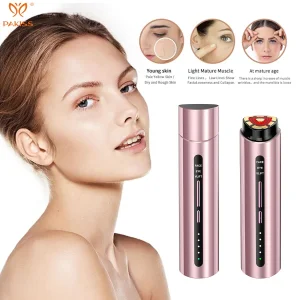
Explore our complete range of anti-aging, body toning, and rapid prototyping services.

 Rudiz Beauty