Clinical-grade skin rejuvenation platforms designed for medical offices, beauty salons, and high-end consumer skincare lines.
Mapping the rise of non-invasive energy-based aesthetic therapies across key international markets.
The global market for skin rejuvenation devices is undergoing a structural paradigm shift. According to recent medical aesthetic studies, consumer preferences have drastically pivoted away from invasive plastic surgeries toward non-invasive and minimally invasive energy-based devices (EBDs). This change is propelled by technological advancements that deliver clinical-grade results with minimal downtime, reduced patient discomfort, and lower operational overhead for practitioners.
As a prominent exporter, Shenzhen Rudiz Beauty Co., Ltd. serves a diverse global client portfolio, spanning medical spas, dermatology clinics, beauty salons, and consumer wellness brands across North America, Europe, the Middle East, Australia, and Southeast Asia. In mature markets like North America and the EU, demand is heavily driven by compliance, safety profiles, and clinical evidence. Meanwhile, emerging markets in Southeast Asia and the Middle East are experiencing rapid growth in high-output laser systems and multi-functional RF platforms, requiring exporters to offer highly adaptable technologies customized to distinct demographic skin types (Fitzpatrick scale alignment) and local electrical standards.
Industrial supply chains in the aesthetic device sector demand high levels of vertical integration. The engineering behind modern platforms must coordinate high-frequency electronics, precision optics, fluid cooling systems, and advanced software interfaces. Meeting these demands requires robust production hubs that can reconcile the scientific accuracy of medical-grade hardware with the cost efficiency of high-scale consumer electronics manufacturing.
Decoupling the biophysics and mechanical engineering principles behind state-of-the-art skin rejuvenation equipment.
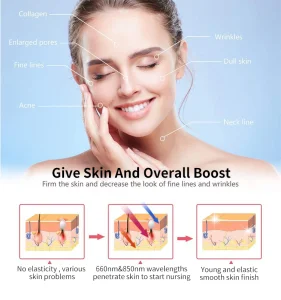
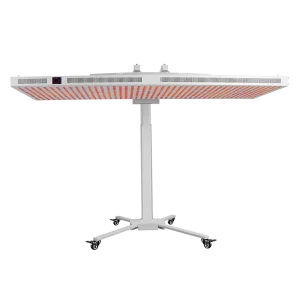
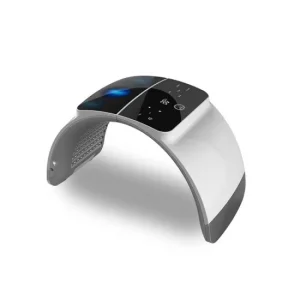
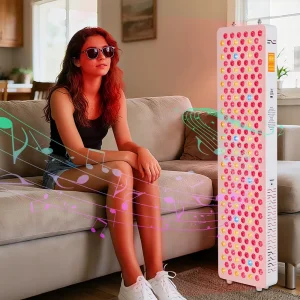
Utilizing specific narrow-band wavelengths from 480nm to 940nm. Red (630nm/660nm) stimulates mitochondrial cytochrome c oxidase, boosting cellular ATP production and upregulating fibroblasts for collagen synthesis. Near-Infrared (810nm/850nm/940nm) penetrates deep subcutaneous layers to accelerate healing and reduce inflammation. Blue light (480nm) targets cutaneous porphyrins to destroy acne-causing bacteria.
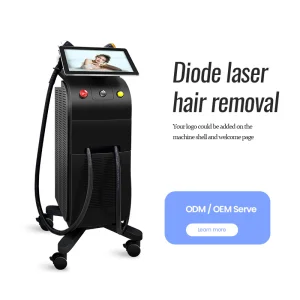
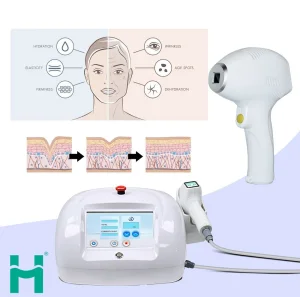
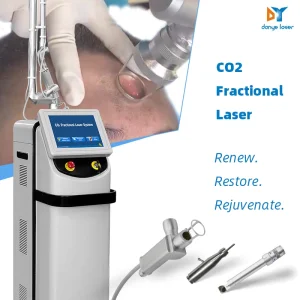
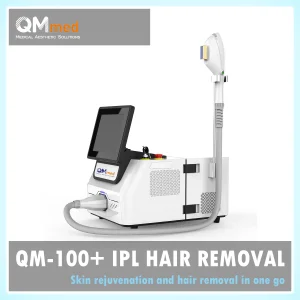
Operating on selective photothermolysis. Wavelengths like 755nm, 808nm, and 1064nm target specific chromophores (melanin, hemoglobin, water) to cause localized thermal coagulation for hair removal and vascular clearing. Fractional CO2 lasers (10600nm) vaporize micro-thermal zones (MTZs) in the skin, inducing an aggressive wound-healing cascade to remodel severe acne scars and deep wrinkles.
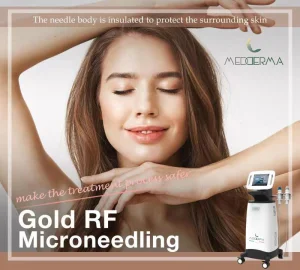
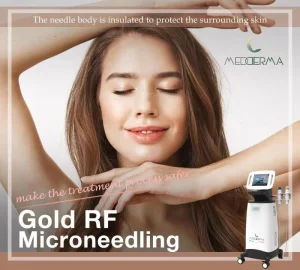
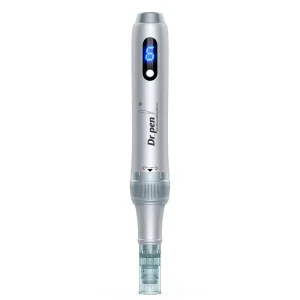
RF platforms deliver alternating currents (typically 1MHz to 5MHz) into the reticular dermis, generating volumetric heat (55°C–65°C) to denature triple-helix collagen structures and trigger neocollagenesis. When combined with mechanical microneedling, energy is delivered directly to precise dermal depths (0.5mm to 3.5mm), bypassing epidermal melanin to avoid post-inflammatory hyperpigmentation.
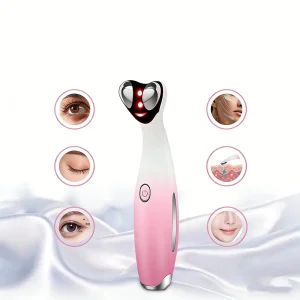
The future of non-invasive aesthetics lies in the intelligent integration of complementary modalities. Modern development focuses on combining microcurrents (which stimulate muscle tone and ATP cellular energy) with radiofrequency and targeted phototherapies within a single treatment session. By combining technologies, devices can target multiple layers of tissue simultaneously: strengthening the muscular scaffolding, remodeling the dermal collagen matrix, and refining the epidermal texture.
Furthermore, active research focuses on dynamic impedance feedback systems. In radiofrequency devices, skin resistance varies depending on hydration levels, temperature, and tissue density. Next-generation systems feature real-time sensors that adjust energy output milliseconds at a time, protecting the epidermis from overheating while maintaining therapeutic temperatures in the dermis.
A look inside Shenzhen Rudiz Beauty Co., Ltd.'s 10,000+ square meter advanced production facility.
Shenzhen, China, is widely recognized as the silicon valley of hardware and the center of the global electronics supply chain. Located in this innovation corridor, Shenzhen Rudiz Beauty Co., Ltd. operates a modern 10,000+ square meter manufacturing facility staffed by over 200 skilled electronics assembly specialists, optical technicians, quality control engineers, and research and development staff.
Our localization within the Pearl River Delta electronics cluster gives us access to a highly integrated components network. From precision optic lenses and high-capacity capacitors to custom printed circuit boards (PCBA) and durable ABS injection-molded casings, we source all raw materials and sub-assemblies locally. This ecosystem minimizes lead times and insulates international distributors from supply chain volatility.
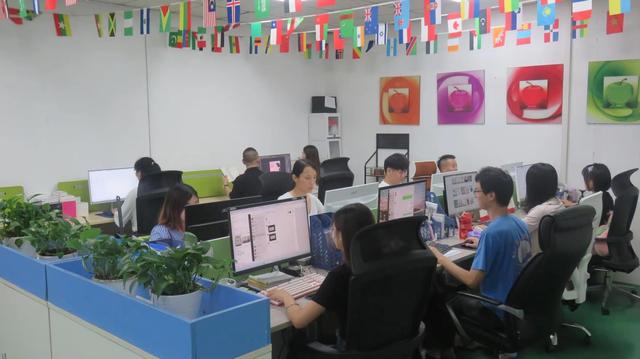
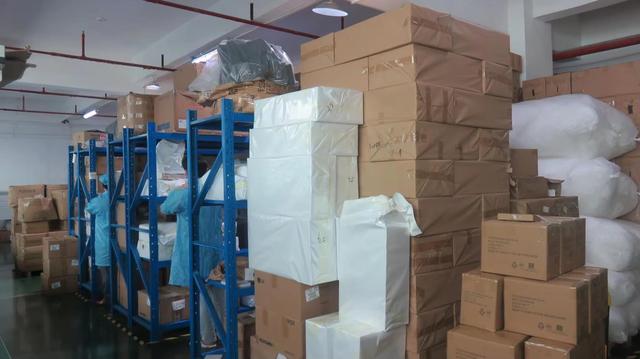
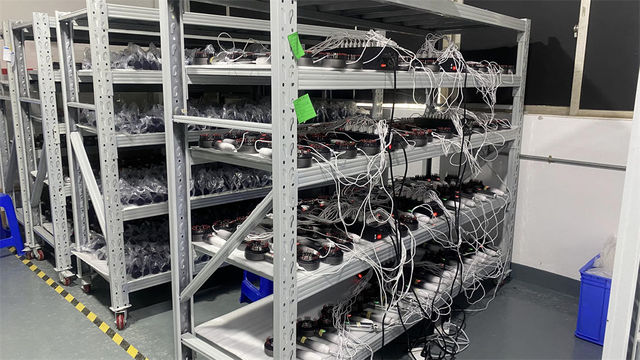
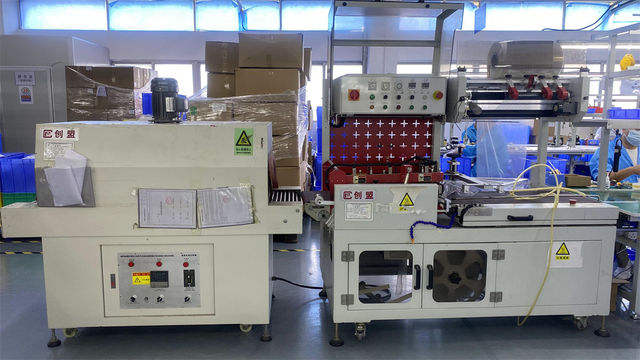
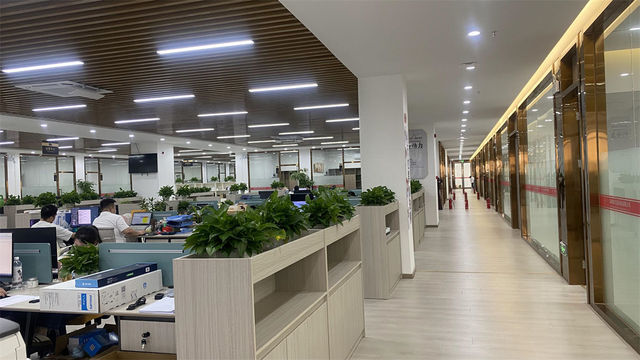
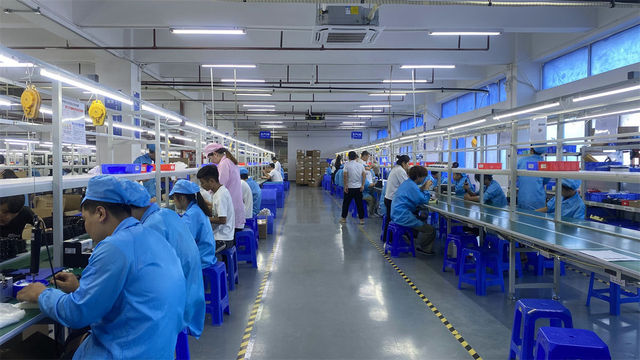
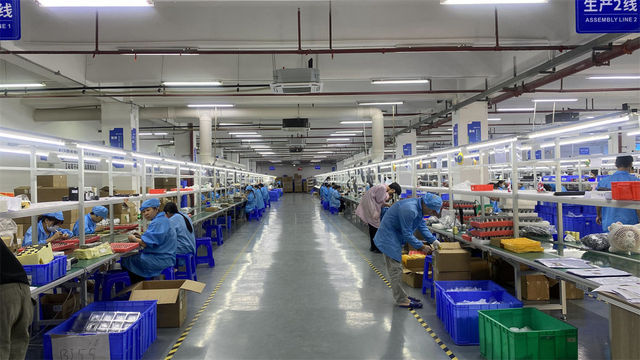
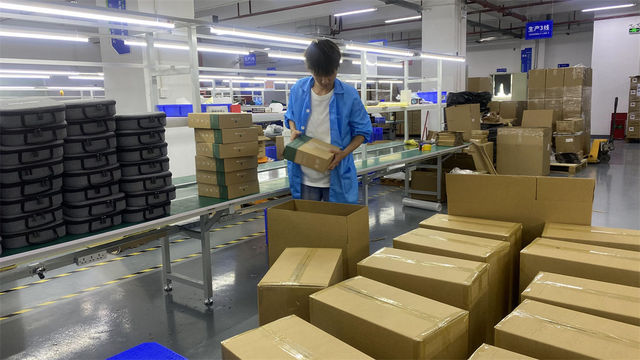
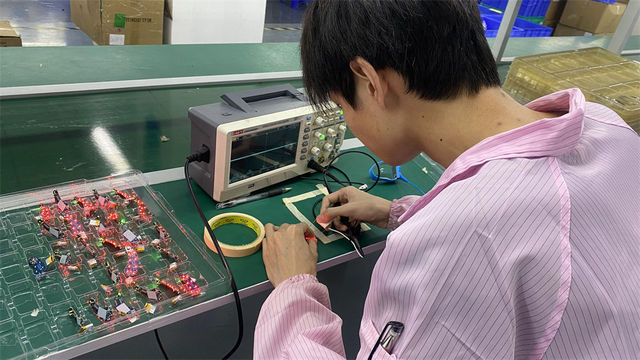
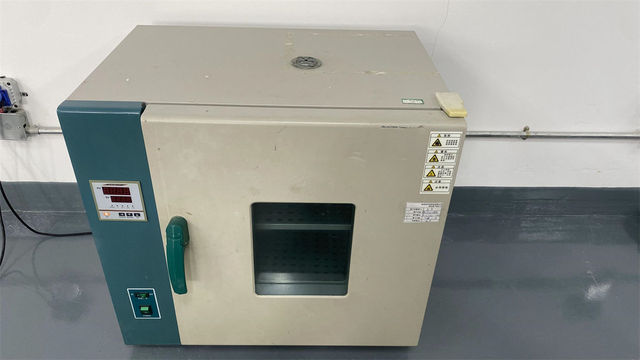
Our integrated OEM and ODM manufacturing services guide projects from concept to final product. The process includes industrial design, CAD mechanics rendering, electronics prototyping, firmware programming, shell molds fabrication, pilot testing, and mass production. By housing all these phases under one roof, we eliminate communication bottlenecks and ensure strict quality control throughout development.
Adapting advanced aesthetic technology platforms to different regional markets and commercial models.
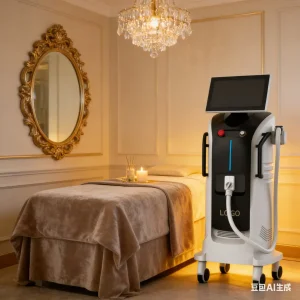
High-output diode lasers and fractional CO2 systems are engineered to handle high client throughput. These systems feature active cooling technologies like sapphire window cooling to ensure patient comfort and safety during continuous operation.
Versatile 6-in-1 and 7-color LED light systems provide non-invasive treatments that require no downtime. These systems integrate easily with cosmetic applications, facial massages, and post-exfoliation treatments to improve client outcomes.
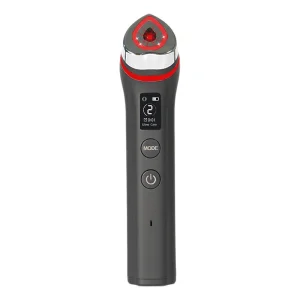
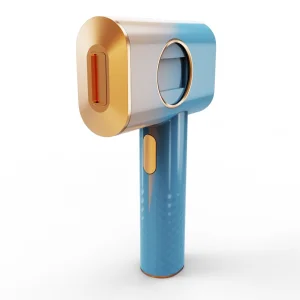
Miniaturized microneedling and handheld RF wands make professional-grade skincare accessible at home. These devices focus on ergonomic designs, simple controls, and built-in safety limits to prevent user error.
Upholding strict international medical standards to guarantee patient safety and smooth import clearance.
To maintain competitiveness in the global aesthetic market, exporters must meet rigorous international certification standards. Shenzhen Rudiz Beauty Co., Ltd. builds compliance into every stage of production under our ISO 13485 Quality Management System. This framework governs our operations from initial R&D schematics to cleanroom assembly.
Our products carry key certifications required by global customs authorities. The CE Mark confirms compliance with European Union health, safety, and environmental standards, and we align our technical documentation with the Medical Devices Regulation (MDR). Additionally, our products comply with RoHS and FCC requirements, ensuring they are free from hazardous substances and meet electromagnetic safety standards. We also offer medical-grade configurations that align with FDA 510(k) standards, providing our B2B partners with smooth entry into highly regulated markets.
Every device undergoes strict quality checks before shipping. High-voltage insulation testing, electrical leakage protection tests, laser power output calibration, and thermal monitoring are performed on every production run. In addition, our biocompatibility testing ensures that all patient-contacting materials, such as our microneedles and radiofrequency electrodes, are hypoallergenic and safe for clinical use.
Common questions from global B2B buyers regarding skin rejuvenation device exporting, importing, and manufacturing.
For standard OEM private labeling orders, the typical production timeline is 15 to 25 days. Complete ODM projects, which include industrial design, structural modeling, custom PCB design, mold fabrication, and compliance certification, generally range between 45 and 90 days depending on complexity.
Each laser and RF device is calibrated using professional energy meters and spectral analyzers on our assembly lines. The systems undergo a continuous 48-hour burn-in and stress test to ensure the power output remains stable, preventing energy fluctuations during clinical treatments.
We supply complete CE, RoHS, and FCC test certificates, along with detailed EMC and LVD safety assessment documentation. For medical-grade systems, we also provide documentation supporting ISO 13485 quality standards to assist with your local health agency registration.
Yes, we offer comprehensive customization services, including custom plastic injection mold colors, laser-engraved branding, customized housing designs, and localized UI software translations to support your brand's entry into specific target markets.
All professional aesthetic devices come with a 1-to-2 year hardware warranty. We supply spare parts (such as power modules, screens, and handpieces) directly to our distributors. We also provide online technical training videos and engineering documentation to support your local service team.
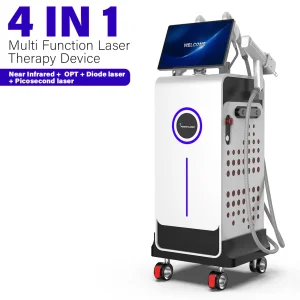
Explore our full line of specialized light-therapy, microcurrent, and laser-assisted skin tightening solutions.
 Rudiz Beauty