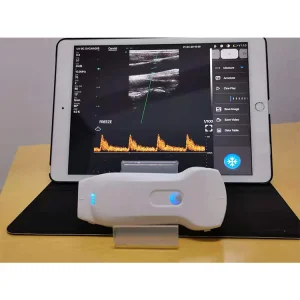
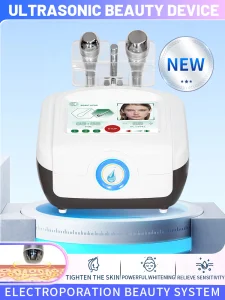
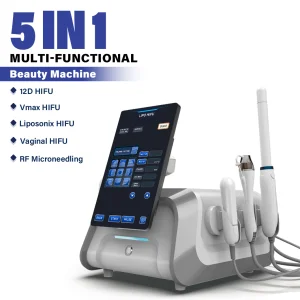
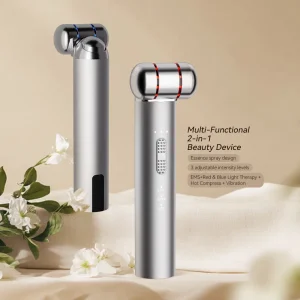
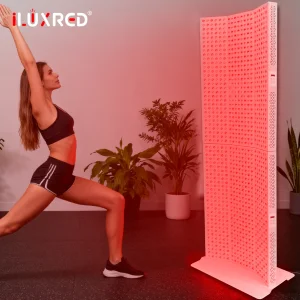
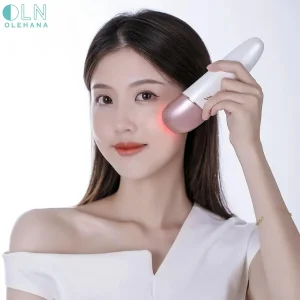
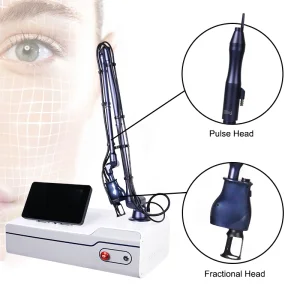
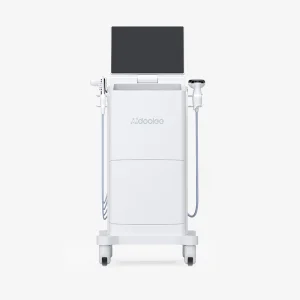
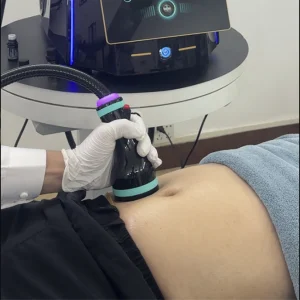
Explore our elite selection of clinical-grade portable scanners, anti-aging non-surgical face-lifters, and multi-functional aesthetic systems.
The biophysics, mechanism of action, and deep cellular effects of micro-focused & high-intensity focused ultrasound systems.
In the rapidly evolving landscape of non-invasive aesthetics, ultrasound technology has established itself as the gold standard for deep tissue remodeling and skin rejuvenation. Unlike light-based therapies (laser, IPL) or radiofrequency (RF) which primarily heat the superficial dermis, ultrasound waves possess the unique ability to bypass the skin's surface and deliver targeted energy to precise depths.
At the core of this technology is the concept of High-Intensity Focused Ultrasound (HIFU) and Micro-Focused Ultrasound (MFU). By focusing high-frequency acoustic waves into a tight focal point, these systems generate rapid friction at the molecular level, creating localized thermal coagulation zones (TCZs) at target depths of 1.5mm, 3.0mm, and 4.5mm (and up to 13mm for body contouring). At the 4.5mm level, the energy directly impacts the Superficial Muscular Aponeurotic System (SMAS)—the same fibrous layer targeted during surgical facelifts. The localized temperature spikes to 60-70°C, causing immediate contraction of existing collagen fibers and triggering a sustained healing cascade that stimulates the synthesis of fresh, type-I collagen over the subsequent 90 to 180 days.
A major technological leap represented in our product array is the deployment of dual-frequency and triple-frequency ultrasound systems (such as the 10MHz SMAS desktop lifting systems). Conventional ultrasound uses lower frequencies (e.g., 1MHz to 3MHz) for deep penetration. However, higher frequencies like 10MHz exhibit a smaller wavelength (approx. 150 microns), concentrating their energy within the epidermis and upper dermis.
By rapidly alternating between different frequencies (e.g., 3MHz and 10MHz) at rates up to 1,000 times per second, LDM technology creates a mechanical pressure gradient that regulates the extracellular matrix (ECM). This downregulates harmful Matrix Metalloproteinases (MMPs), which are responsible for collagen degradation, while simultaneously upregulating Heat Shock Proteins (HSPs) that accelerate tissue repair. The practical result is a dramatic improvement in skin hydration, reduction of atopic dermatitis, acne repair, and accelerated post-surgical recovery.
Why sourcing from Shenzhen Rudiz Beauty Co., Ltd. gives global distributors a distinct cost, technology, and time-to-market edge.
Shenzhen is the global epicenter for electronics and hardware innovation. Our 10,000+ sqm manufacturing facility benefits from immediate access to local component suppliers, from high-fidelity micro-transducer crystals and durable PCB boards to customized medical-grade aluminum casing and high-resolution IPS display screens.
Established in 2014, our workforce has grown to exceed 200 skilled specialists, including a dedicated R&D division. We translate complex biomechanical principles into highly marketable commercial designs, drastically reducing client product development lifecycles.
By retaining full control over research, design, production, and quality assurance processes, Rudiz Beauty guarantees consistent batch-to-batch excellence. Every single unit undergoes extensive stress testing, including transducer wave output calibration, structural insulation verification, and thermal profiling.
By partnering with Shenzhen Rudiz Beauty Co., Ltd., global B2B buyers tap into a turnkey manufacturing partner that integrates industrial design, product styling, PCB layout configuration, software programming, custom mold injection, cleanroom assembly, and ISO-compliant quality assurance under one roof. This localized control minimizes logistics overheads and ensures faster shipping turnarounds compared to fragmented supply networks.
Ensuring your aesthetic devices satisfy local regulations and resonate with regional target consumers.
Regulatory compliance is the primary barrier for medical and aesthetic device importers worldwide. At Rudiz Beauty, we construct our engineering frameworks around global safety and efficacy benchmarks, ensuring seamless clearance in strict jurisdictions like the EU and North America.
Our R&D processes align with CE (Medical MDR), FDA 510(k) guidelines, RoHS, and LVD/EMC safety standards. We supply comprehensive Technical Files, electrical safety reports, and material biocompatibility data sheets (ISO 10993) to facilitate local import registration procedures.
To ensure rapid adoption, we build customized software platforms. We offer multi-language firmware localization, regional voltage customization (110V/220V), local plug standards, and region-specific packaging designs. Our intuitive GUI (Graphic User Interface) can be customized with your brand colors and terminology.
We empower our global business partners with modular replacement parts, detailed troubleshooting diagrams, diagnostic training videos, and live technical consultation. This minimizes customer downtime and secures your reputation as a reliable local distributor.
A look inside our 10,000 square meter production complex, dust-free assembly lines, and testing laboratories in Shenzhen.

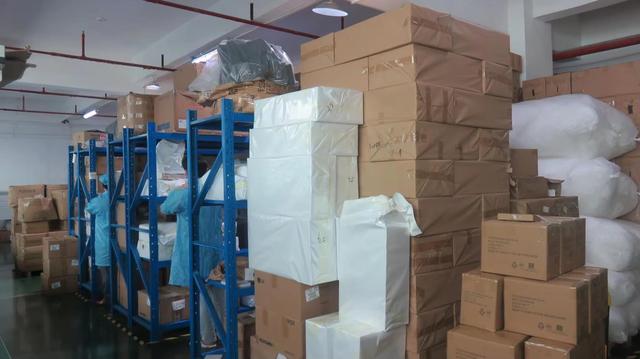
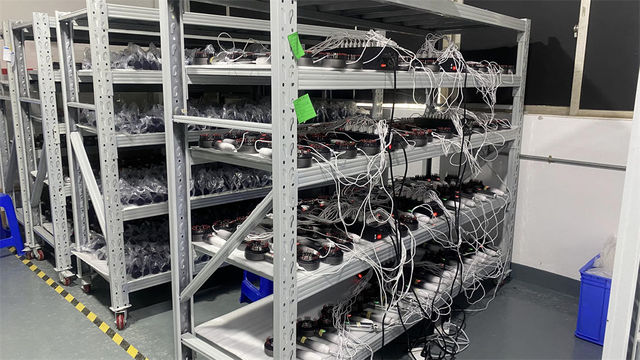
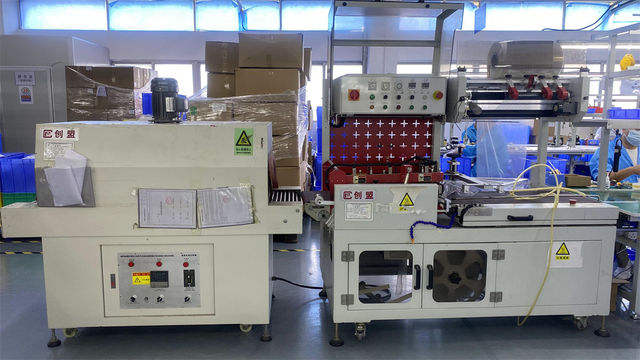
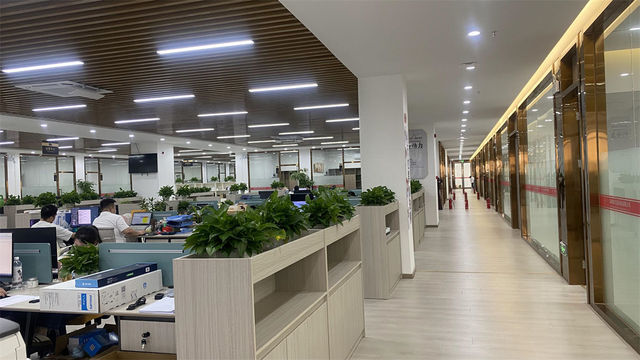
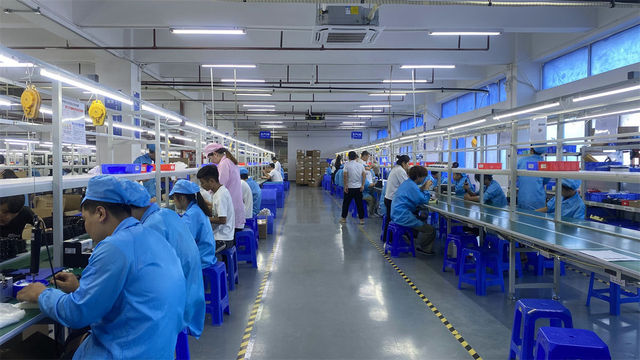
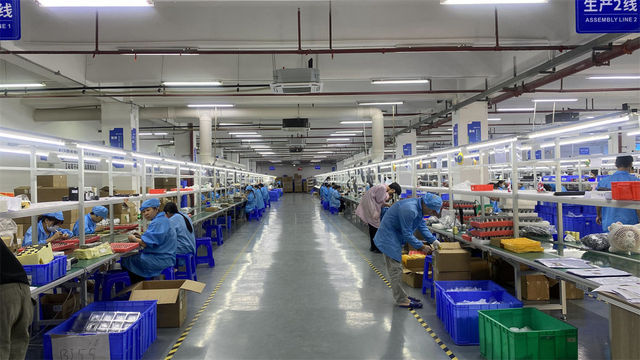
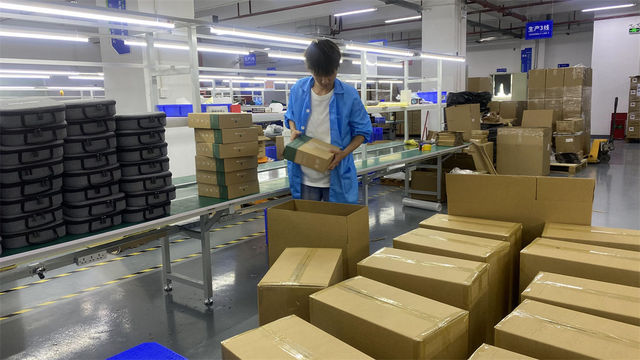
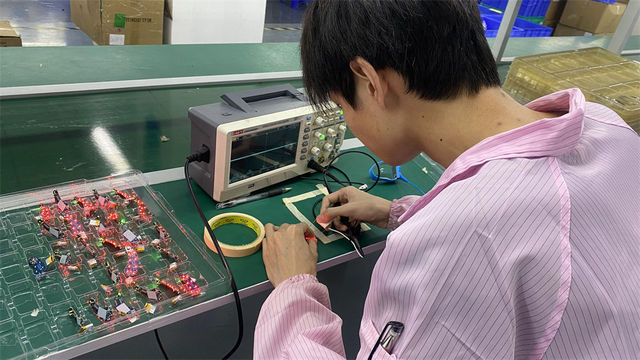
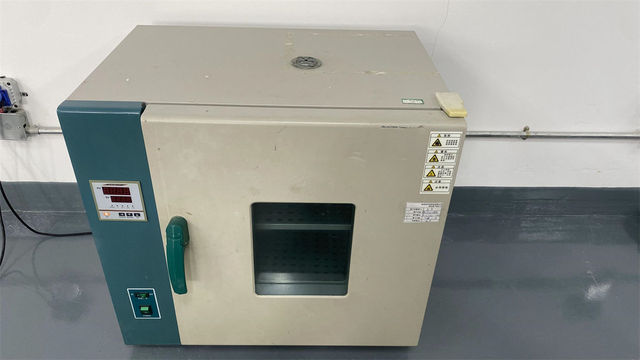
From conceptual sketch to mass market distribution, we tailor every parameter to match your brand requirements.
Our B2B clients consist of skincare clinics, national medical-spa chains, cosmetics brands, and e-commerce aesthetic equipment distributors. Each business sector demands specific features:
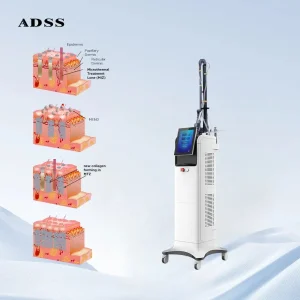
For clinical distribution, we offer multi-handpiece platform configurations (like the 12d HIFU or CO2 fractional systems) with high energy stability, medical-grade casing, ergonomic handles to limit technician fatigue, and advanced touchscreens with detailed patient database logs.
For consumer-focused brands, we develop miniaturized, battery-operated, IPX7 waterproof rechargeable devices (like the Water Droplet Frequency device or EMS Red Light massagers). These highlight ergonomic designs, user-safe power output levels, wireless charging docks, and elegant gift-box packaging.
Our collaborative workflow begins with 3D industrial rendering, followed by rapid SLA prototyping. Once physical ergonomics are approved, we design the PCB schema, write the customized control firmware, build custom injection molds, perform pilot production runs, and secure safety certifications before moving to mass production.
Staying ahead of the curve with smart diagnostic features and combined modal skincare protocols.
The global medical aesthetics market is shifting toward integrated modalities. Monotherapy is increasingly being replaced by synergistic protocols. For instance, pairing a deep-acting 12D HIFU treatment (targeting the SMAS layer) with a surface-level RF or Plasma therapy allows clinicians to address structural sagging and texture irregularities in a single session.
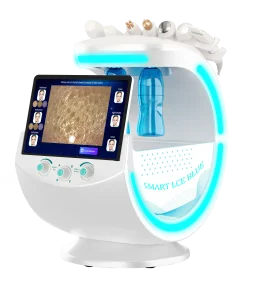
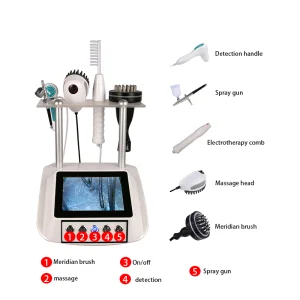
Furthermore, smart diagnostic integration is becoming a baseline expectation. Modern devices—including our 7-in-1 scalp diagnostic and skin analysis systems—leverage high-definition camera sensors and multi-spectrum analysis to identify subsurface pathology (such as vascular congestion or follicular atrophy) before treatments begin. This provides concrete, objective visual data that practitioners can use to track improvement and build patient confidence.
Home-care personalization is another critical growth engine. Sophisticated home-use devices now feature Bluetooth connectivity and companion apps that recommend treatment intervals and track compliance, enabling brands to build deep, ongoing relationships with their end users.
Detailed technical answers to help distributors, supply managers, and clinic operators make informed procurement decisions.
Professional devices (such as clinical 12D HIFU or desktop LDM systems) operate at higher power densities (measured in Joules/cm²) and offer adjustable parameters for depth and frequency, requiring trained practitioners to operate them safely. Home-use devices utilize lower, regulated energy levels (usually limited to 1-3MHz and low energy densities) to guarantee safe self-treatment, focusing on long-term, gradual cellular stimulation.
The heart of any ultrasound device is the piezoelectric ceramic transducer. We source high-grade, high-purity crystals that deliver highly stable acoustic waves with minimal heat drift. Every batch of transducers is subjected to aging tests and continuous load testing for 100+ hours to ensure consistent wave frequency and power output throughout the product's lifespan.
Yes, this is one of our primary B2B services. For qualifying OEM/ODM order volumes, our industrial design team will create customized housing shapes, choose custom colors, and laser-engrave your corporate branding. Our software engineers will also integrate your custom welcome screen logo, customize color schemes, and translate the interface into your preferred languages.
We provide comprehensive support documentation, including CE Declaration of Conformity (DoC), LVD and EMC testing reports according to IEC 60601 standards, RoHS material safety certifications, and test data for FDA premarket notification filings. We can also coordinate with third-party inspection firms (like SGS, Intertek, or TÜV Rheinland) to complete regional testing processes.
For standard products with custom private labels, the manufacturing lead time is generally 15 to 25 days. For complex, custom ODM projects requiring unique mold toolings, modified PCB board designs, and specialized regulatory testing, the timeline typically spans 60 to 90 days. This includes a thorough testing and validation stage to ensure performance meets your strict standards.
Browse our selection of specialized photo-thermal systems, multi-frequency hair restoration systems, and professional-grade vaginal tightening platforms.
 Rudiz Beauty