Explore our advanced clinical-grade and home-use engineering solutions designed for rapid targeted treatment of active acne, scarring, and dermal inflammation.
Dermatological science has undergone a structural pivot away from purely topical pharmacological interventions toward non-invasive, energy-based device therapies. For global distributors, medical spas, and aesthetic brand owners, sourcing robust Acne Treatment Devices is no longer just about standard LED light arrays; it requires partnering with manufacturers capable of delivering advanced thermodynamic, mechanical, and electro-physical energy transfer mechanisms.
Professional acne mitigation architectures target three primary pathophysiological pathways: the suppression of *Cutibacterium acnes* (formerly *Propionibacterium acnes*) colonization, the regulation of hyperactive sebaceous glands, and the thermal stimulation of neocollagenesis to reconstruct structural integrity in scarred dermal layers. As a leading hub of medical electronics innovation, Shenzhen factories have integrated medical-grade sub-assemblies to deliver clinical outcomes equivalent to traditional hospital systems at a fraction of the hardware footprint.
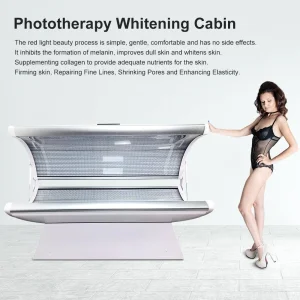
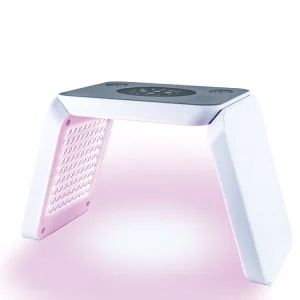
Photodynamic Therapy (PDT) systems utilize high-purity Narrow-Band Light Emitting Diodes (LEDs) emitting at precise wavelengths—predominantly blue light (415nm) and red light (630nm). When the skin is irradiated with 415nm light, it interacts with endogenous coporphyrin III produced by *C. acnes*. This interaction initiates a photochemical reaction that releases singlet oxygen radicals, destroying the anaerobic bacteria without damaging surrounding healthy tissue. Concurrently, red light (630nm) penetrates deeper into the reticular dermis to modulate cytokine cascades, reducing erythema and accelerating tissue repair.
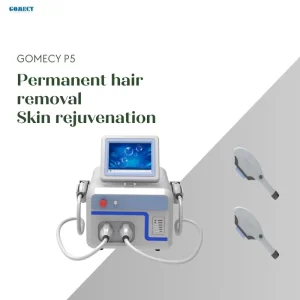
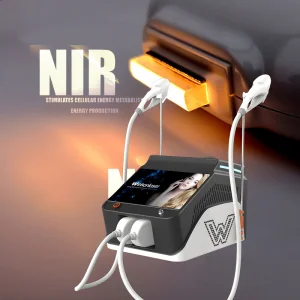
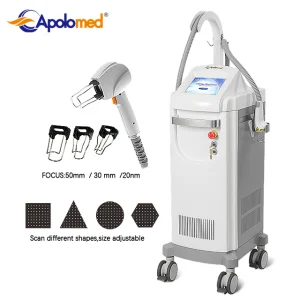
Intense Pulsed Light (IPL) systems, on the other hand, utilize broad-spectrum light (typically filtered between 400nm to 1200nm) to target hemoglobin within microvascular structures feeding the sebaceous glands. The transient photothermal effect reduces localized vascularization, diminishing the inflammatory cycle and down-regulating sebum production.
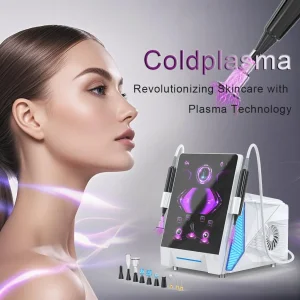
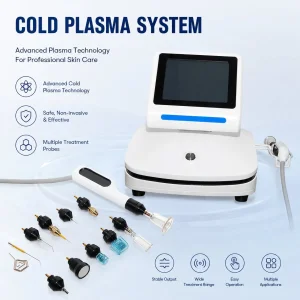
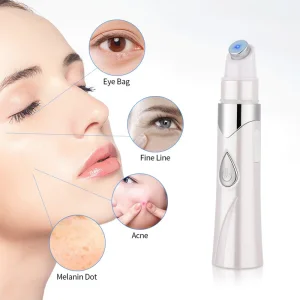
Cold Plasma has emerged as a disruptive technology in clinical dermatology. By applying high frequency and voltage to ambient air or carrier gases, CAP devices generate a highly ionized gas matrix comprising reactive oxygen and nitrogen species (RONS), ultraviolet photons, and localized electric fields. This plasma plume breaks down cell wall structures of drug-resistant bacteria on contact, while simultaneously altering the skin's surface tension to enhance the absorption of topical therapeutics (transdermal electroporation).
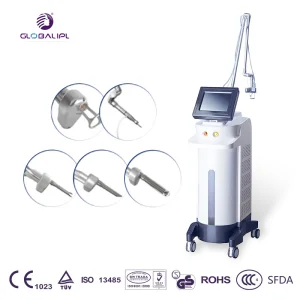
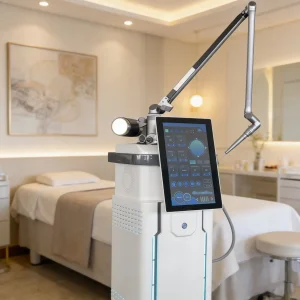
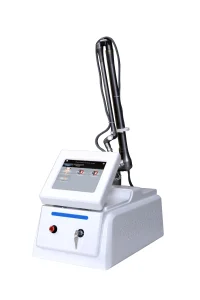
For post-acne structural damage, thermal remodeling is required. Fractional CO2 lasers (operating at 10,600 nm) split a single light beam into thousands of microscopic treatment zones (MTZs). These micro-beams ablate targeted columns of the epidermis while leaving surrounding areas intact, triggering rapid cellular regeneration and collagen synthesis.
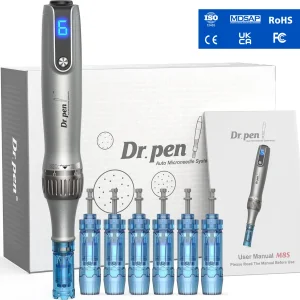
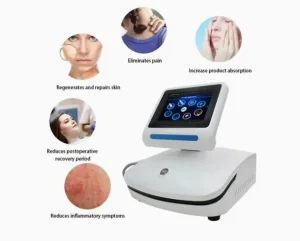
RF Microneedling complements this by mechanically penetrating the epidermis with insulated or non-insulated micro-needle arrays, then delivering bi-polar radio frequency energy directly to the deeper dermis. This local thermal energy denatures existing collagen fibers, prompting a cascade of growth factors that restructure pitted acne scars and smooth skin texture.
| Technology | Primary Target Biopathway | Clinical Efficacy | Ideal Hardware Format | Regulatory Certifications Required |
|---|---|---|---|---|
| Blue Light PDT (415nm) | Porphyrin excitation, Singlet oxygen generation | Active inflammatory acne reduction | LED Face Masks, Desktop PDT Canopies | FDA, CE, RoHS, ISO13485 |
| Cold Plasma (CAP) | RONS generation, membrane electroporation | Sterilization, transdermal drug delivery | Handheld probes, integrated multi-platforms | CE, KC, PSE, FCC |
| RF Microneedling | Dermal thermal remodeling, neocollagenesis | Deep atrophic scars, pore refinement | Desktop systems with disposable needle cartridges | Medical CE, FDA Class II |
| Fractional CO2 Laser | Micro-ablative epidermal/dermal resurfacing | Severe acne scar reconstruction | High-power clinical platforms | Medical CE, FDA, NMPA |
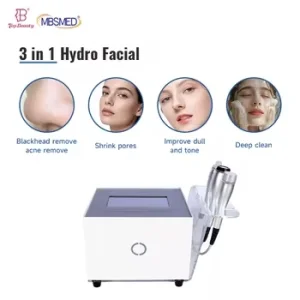
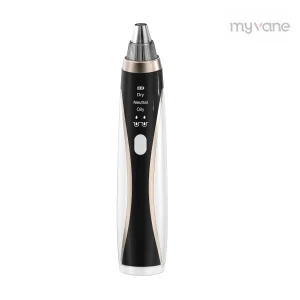
| Hydro Dermabrasion & Vacuum | Follicular evacuation, hyperkeratosis removal | Comedonal acne, sebum congestion removal | Multifunctional BHA/AHA infusion systems | CE, FCC, UL (power supplies) |
Operating from Shenzhen, the global epicentre of electronics manufacturing, allows direct, instantaneous access to micro-controller chips, advanced laser tubes, high-frequency RF drivers, and precise medical-grade optical lenses. This ecosystem compresses product development lifecycles by 60% compared to Western competitors.
Leading manufacturers like Shenzhen Rudiz Beauty Co., Ltd. maintain an active industrial design bureau, software development engineers, and structural physicists. From drafting custom plastic injection tooling designs to writing proprietary firmware for graphical user interfaces (GUI), our engineering handles it all.
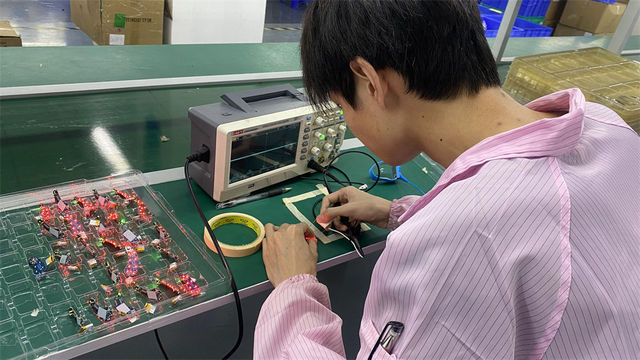
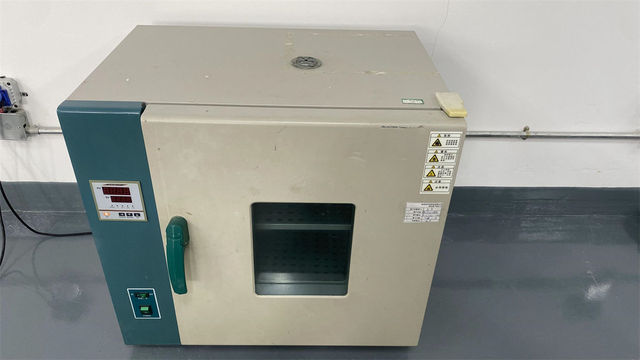
Modern export-oriented facilities implement strict quality management systems (QMS) compliant with ISO 13485 standards. Every device undergoes automated optoelectronic calibration, insulation resistance verification, high-voltage leakage safety testing, and 24 to 72 hours of continuous thermal burn-in before export packaging.
Shenzhen Rudiz Beauty Co., Ltd. is a professional beauty device manufacturer specializing in smart skincare technology, anti-aging beauty equipment, and advanced aesthetic solutions for global beauty brands, distributors, retailers, and professional skincare businesses. Established in 2014, the company is located in Shenzhen, China, a leading center for innovation, electronics manufacturing, and international trade.
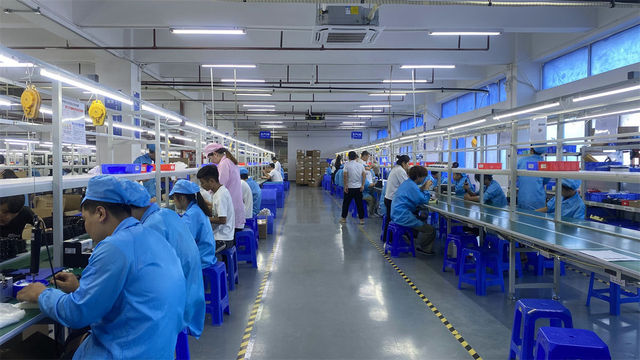
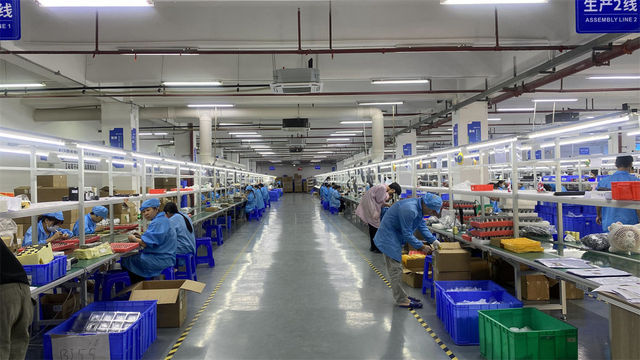
With a modern production facility covering more than 10,000 square meters and a team of over 200 skilled employees, Rudiz Beauty integrates industrial design, research and development, manufacturing, quality control, and global sales into a complete production system. The company continuously invests in advanced beauty technologies and product innovation to meet the growing demand for safe, effective, and user-friendly skincare solutions.
Rudiz Beauty offers a comprehensive range of beauty devices, including facial care devices, skin rejuvenation equipment, anti-aging systems, LED light therapy devices, microcurrent beauty devices, radio frequency skincare equipment, skin tightening solutions, eye care devices, and multifunctional beauty tools for both home and professional use. Products are developed with a focus on performance, safety, ergonomic design, and ease of operation.
As an experienced OEM and ODM manufacturing partner, the company provides customized product development, industrial design support, private labeling, packaging solutions, and flexible production services tailored to customer requirements. Its products are exported to North America, Europe, Southeast Asia, the Middle East, Australia, and other international markets. Committed to quality, innovation, and long-term partnerships, Shenzhen Rudiz Beauty Co., Ltd. strives to deliver reliable beauty technology solutions that help customers expand their product portfolios and strengthen their competitiveness in the global beauty and personal care industry.
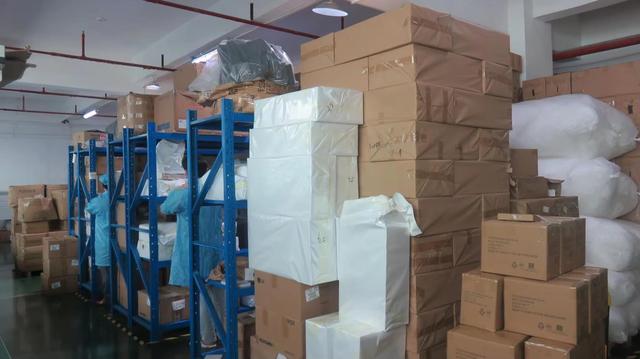
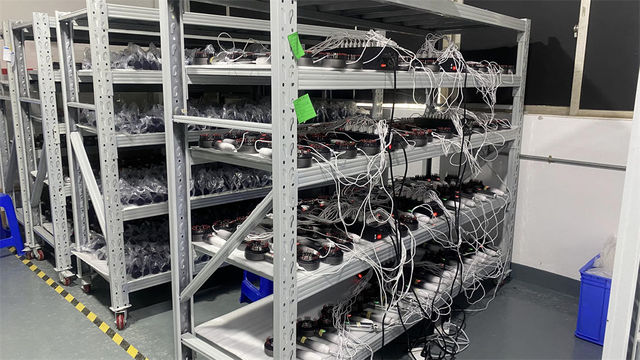
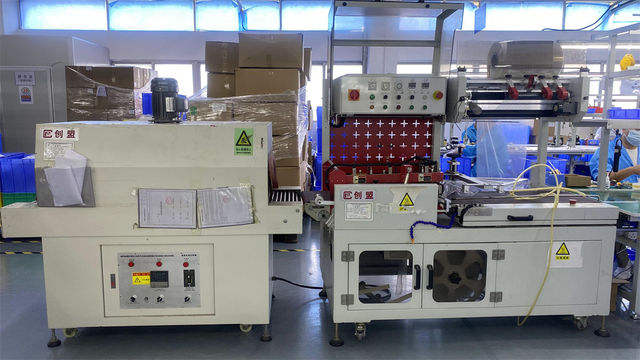
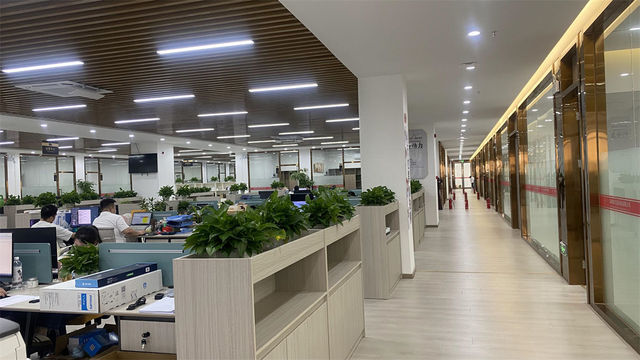
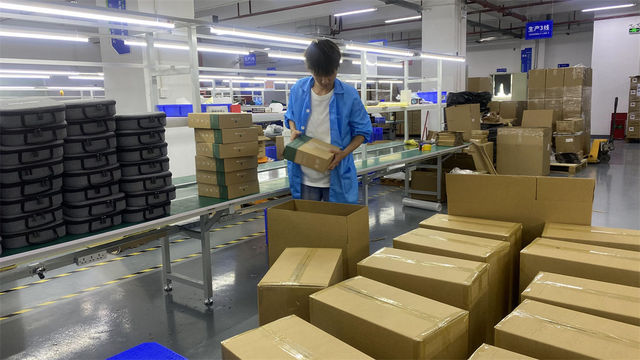
Take an inside look at the production floors, cleanrooms, assembly units, and quality check divisions of Shenzhen Rudiz Beauty Co., Ltd.

International aesthetic hardware sourcing requires more than standard trade terms. Sourcing directors at spa groups, cosmetic brands, and technology companies demand custom design solutions that meet regional safety guidelines and reflect unique brand identities. Our comprehensive OEM/ODM pipeline offers end-to-end management for these requirements:
Whether designing a handheld cold plasma wand or a cart-mounted multi-wavelength LED workstation, our industrial designers generate detailed 3D CAD blueprints focused on ergonomic weight distribution, active heat dissipation, and modern aesthetics.
Modern clinical machines rely on responsive operating systems. We program embedded software interfaces, allowing brands to customize system configurations, parameter default presets, and display screens in multiple languages. This simplifies operation for practitioners and improves client safety.
Navigating regulatory frameworks is vital for importing medical and beauty equipment. We support our procurement partners by providing test reports, CB scheme documentation, and CE and FDA declarations, ensuring smooth customs clearance and regulatory approval.
To address diverse target audiences, acne treatment devices must adapt to specific localized environments and business models:
For high-traffic clinical environments, throughput and reliability are key. High-power systems, such as desktop fractional CO2 lasers and multifunctional hydro-dermabrasion platforms, must operate continuously without thermal shutdown. These settings require modular device architectures that let practitioners switch handles easily, transitioning from chemical-vacuum exfoliation to deep tissue cold plasma disinfection in one session.
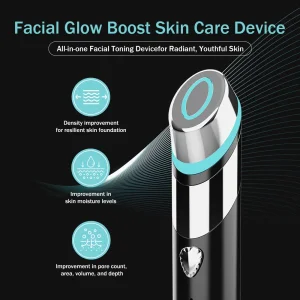
DTC brands targeting home-use markets prioritize consumer safety, intuitive operation, and attractive industrial design. Key parameters like optical energy density (fluence) and electric current output are calibrated below clinical thresholds to allow safe self-application, while preserving the therapeutic properties of LED phototherapy or microcurrent stimulation.
Mobile practitioners need durable, battery-operated, or travel-ready equipment with high structural integrity. Wireless microneedling pens and portable IPL modules allow therapists to offer clinical-grade treatments outside traditional clinic environments.
Common questions from global sourcing managers, distributors, and aesthetic clinics.
Discover further high-performance systems incorporating vacuum extraction, microcurrents, IPL, and specialized fractional technologies.
 Rudiz Beauty