Explore our primary medical-grade and home-use treatment & analysis portfolios. Built with high precision spectral diagnostic support, RF, and laser delivery systems.
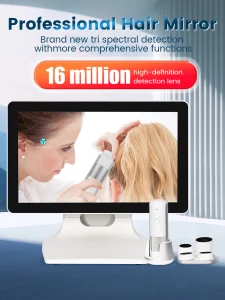

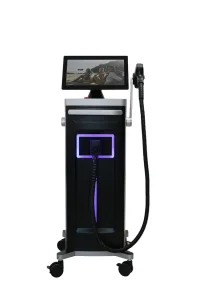

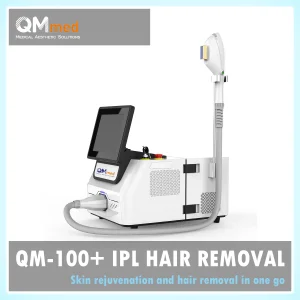
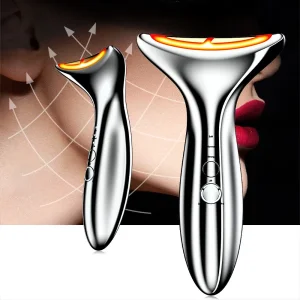
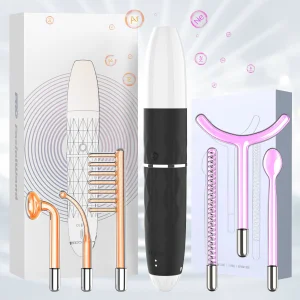

The global medical-grade skin analysis systems market is experiencing an unprecedented structural transition. What began as basic optical assessment using magnification and simple Wood's ultraviolet light has evolved into a sophisticated sub-industry. Driven by breakthroughs in artificial intelligence, multi-spectral imaging, and high-frequency sensor technology, the market is projected to grow rapidly, driven by the expansion of clinical medspas, hyper-personalized skincare counters, and connected home diagnostic systems.
Today, dermatologists, cosmetic brands, and aesthetic device suppliers are shifting their strategies. No longer relying solely on subjective visual evaluations, skin assessment is now backed by objective metrics. These tools evaluate hydration indexes, deep dermal pigmentary arrays, capillary networks, pore health, sebum distributions, and photoaging levels. Utilizing machine learning algorithms, modern skin analyzers offer precise recommendations, increasing consumer confidence and boosting client retention across all channels.
We track the evolutionary milestones from RGB standard photography to deep sub-epidermal imaging frameworks. This outlines how top global manufacturers build next-generation aesthetic equipment.
Introduction of parallel polarized, cross-polarized, and UV light arrays to identify micro-vascular abnormalities and deeper dermal pigmentation before they surface.
Integrating cloud database systems to check millions of dermatological profiles. This helps minimize human error and offers automated diagnostic reports in seconds.
Combining physical and chemical biomarker readings with optical scans to provide actionable recommendations for daily home skincare routines.
Applying space-grade imaging technology to map exact pigment compositions and relative blood flow, enabling tailored treatment plans for specialized cosmetic clinics.
Integrating digital diagnostic tools helps optimize client acquisition, build diagnostic trust, and customize skin wellness paths across multiple touchpoints.
Skin analysis machines serve as the initial consultation standard. Clinicians print objective diagnostic sheets, offering patients clear scientific validation for clinical therapies like fractional lasers, chemical peels, and RF skin-tightening treatments.
Using portable skin scanners at the point of sale turns subjective consultations into interactive, data-driven experiences. Brands see increased average order values by offering customized product regimens designed for each client's specific skin score.
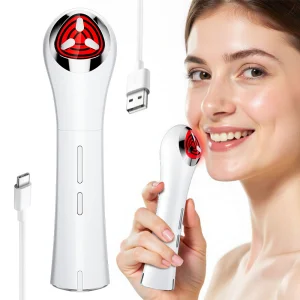
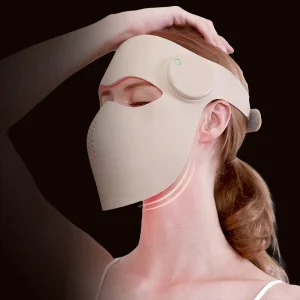
Smart diagnostic mirrors and app-connected light masks bring professional skin monitoring into the home. These devices track product efficacy over time and automatically update clients' skincare plans, fostering brand loyalty.
A clinical and engineering assessment framework designed to help distributors and medspa brands select manufacturing partners that align with international quality standards.
| Evaluation Parameter | Clinical Standard Expectation | Critical Features to Verify | Regulatory Impact |
|---|---|---|---|
| Optical Spectrum Integrity | Triple light source alignment: Polarized, RGB, UV. | Consistent LED color temperature, high CRI (Color Rendering Index). | FDA, CE Class I/II Medical Device Standards. |
| Software & Cloud Algorithms | Localized dataset calibration with low-latency calculations. | AI integration (Deep Learning), skin profiling, multi-platform SDK. | GDPR and HIPAA patient data compliance. |
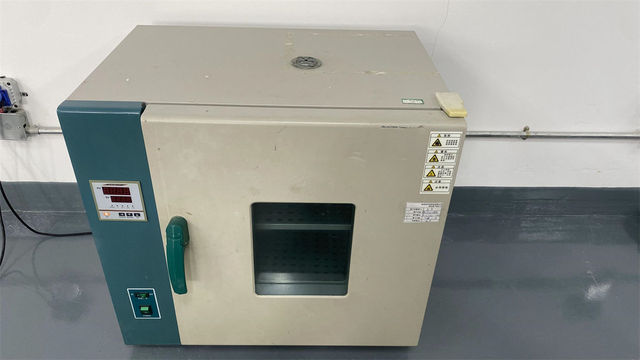
| Hardware Build Quality | Medical-grade plastics, durable optical chambers. | Antistatic casings, high-speed camera sensors, precise focus lenses. | ISO 13485 Manufacturing Compliance. |
| ODM / OEM Flexibility | Ability to customize software, housing designs, and logos. | API integration, private labeling, customized CAD/3D modeling services. | Intellectual property agreements. |
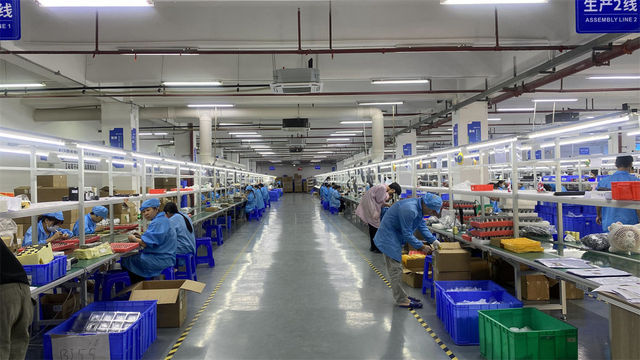
Established in 2014, Shenzhen Rudiz Beauty Co., Ltd. is a leading manufacturer specializing in smart skincare technology, anti-aging beauty equipment, and advanced aesthetic solutions for global brands, distributors, and professional skincare clinics. The company operates from a state-of-the-art facility spanning over 10,000 square meters in Shenzhen, China, a global hub for technology and electronics manufacturing.
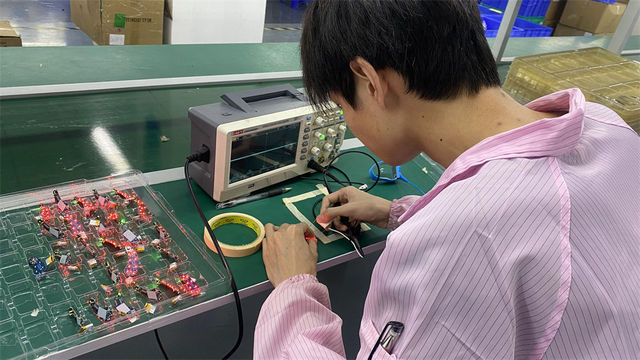
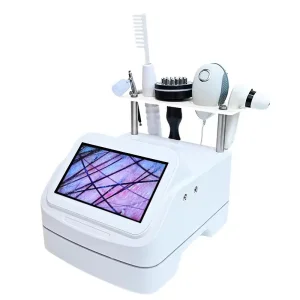
With an engineering team of over 200 professionals, Rudiz Beauty integrates research and development, industrial design, manufacturing, quality control, and global logistics under one roof. The company's diverse product portfolio features medical-grade IPL laser platforms, diode lasers, RF skin tightening systems, multi-spectral skin/scalp scanners, and portable personal beauty devices.
Rudiz Beauty offers comprehensive OEM/ODM solutions, from initial housing concepts to custom software interfaces. The company partner with brands across North America, Europe, the Middle East, and the Asia-Pacific region, helping them scale their operations with reliable, certified products built to thrive in competitive aesthetic markets.


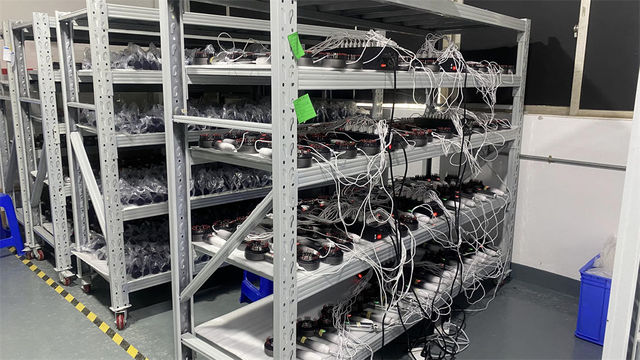
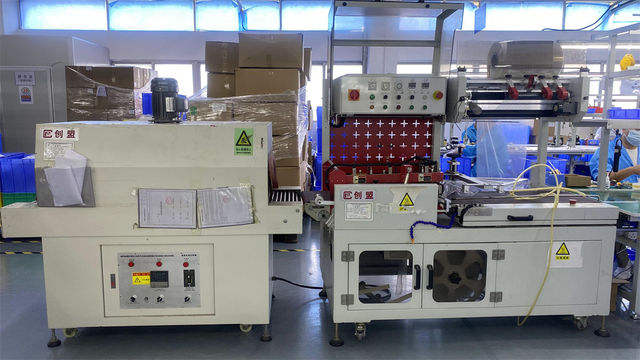
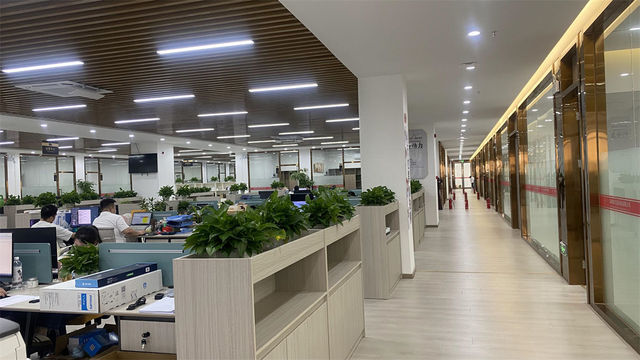


A comprehensive review of the leading medical and commercial diagnostic hardware suppliers globally, noting their regional advantages and core technologies.
Origin: China | Focus: OEM/ODM Medical-Grade, Smart IoT & Scalp Diagnostic Systems.
A leading provider of custom OEM/ODM solutions, offering professional clinical equipment and retail diagnostics from their 10,000+ sqm facility.
Origin: USA | Focus: Clinical 3D Imaging Systems.
Known for their high-end clinical 2D and 3D facial imaging systems, widely used in research centers, dermatology departments, and medical spas.
Origin: Germany | Focus: Objective Skin Parameter Measurements.
An industry standard for scientific skin testing, specializing in devices that measure hydration, sebum, elasticity, and melanin content.
Origin: South Korea | Focus: Aesthetic Diagnostics & Skin Scanners.
Specializes in high-speed, integrated optical skin analyzers tailored for clinics and professional salons across the Asia-Pacific region.
Origin: Spain | Focus: Clinical Diagnosis & Topical Treatment Kits.
Combines diagnostic imaging with clinical skincare programs to deliver integrated treatment solutions for medical aesthetic centers.
Origin: Japan | Focus: Micro-Optics & Handheld Skin Probes.
Well-regarded for their lens quality, offering handheld scopes and analyzers for point-of-sale retail consulting counters.
Origin: Germany/China | Focus: AI-driven Facial Analysis.
Utilizes cloud-based software and deep learning to deliver comprehensive facial aging reports and treatment trackings.
Origin: Netherlands | Focus: Fluorescence Skin Diagnosis.
Known for polarization and fluorescence-based skin scanners that help clinical practitioners identify underlying skin conditions.
Origin: South Korea | Focus: Integrated Multi-spectral Systems.
Offers high-resolution skin analysis booths designed for retail consults and professional cosmetic clinics.
Origin: Italy | Focus: Pharmacy-focused Skincare Scanners.
Provides easy-to-use testing devices designed for pharmacies, offering quick skin and hair analysis parameters.
Get insights into common questions about skin analyzer engineering, light sources, clinical use cases, and regulatory standards.
Each light spectrum reveals different skin layers and conditions:
1. RGB (Red-Green-Blue) White Light: Replicates daylight, ideal for analyzing surface topography, visible wrinkles, pores, and superficial pigmentation.
2. Polarized Light (PL): Parallel polarization shows surface texture, while cross-polarization reduces surface reflection, allowing practitioners to see deeper vascular structures and redness.
3. UV (Ultraviolet) Light: Safely excites skin components, revealing porphyrin deposits (indicator of acne-causing bacteria) and sub-surface UV sun spots before they become visible to the naked eye.
Yes. High-magnification portable scalp analyzers (typically 50x to 200x) show the scalp surface in clear detail. They help clinicians evaluate hair follicle density, identify sebum accumulation, detect redness, and trace single-follicle hair count. These metrics are key for diagnosing early-stage hair thinning and monitoring treatment progress.
Distributors must verify that their manufacturer holds key quality certifications:
• ISO 13485: The medical device industry standard for quality management.
• CE Mark (LVD/EMC/MDR): Required for importing into the European Economic Area.
• FDA 510(k): Necessary if the device is marketed for clinical diagnostic purposes in the United States.
• RoHS & CE: Vital for electronic safety and environmental compliance.
Skin analyzers improve ROI in several ways:
1. Higher Conversions: Objective skin reports build trust, leading to higher treatment acceptance rates.
2. Product Upselling: Showing sub-surface damage helps validate recommendations for corrective skincare products.
3. Long-term Retention: Tracking progress with "before-and-after" comparisons demonstrates treatment efficacy, encouraging repeat visits.
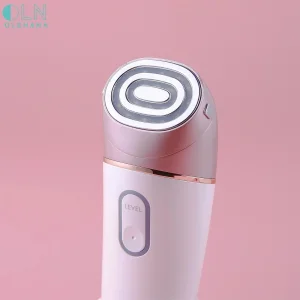
Browse our home-care, anti-aging, and professional therapy product range. Engineered for consistent performance, compliance, and user safety.
 Rudiz Beauty