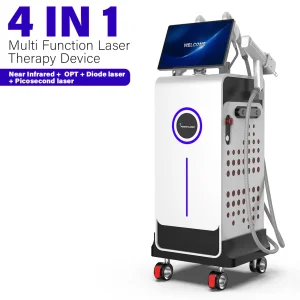
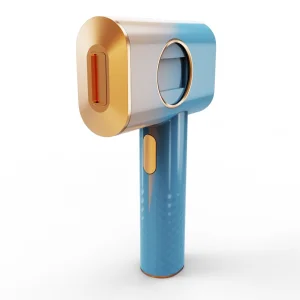
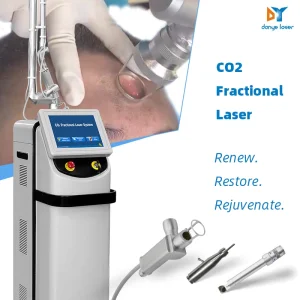
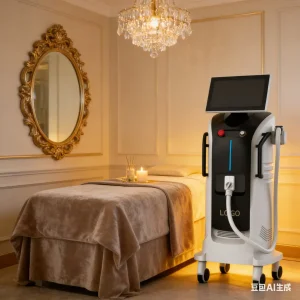
Skin Rejuvenation Devices Factories & Factory serving the Kenya market

Empowering Kenyan Aesthetic Distributors, Clinics, and Spas with Professional, CE-Certified Medical-Grade Laser & Energy-Based Technology

Industry Analysis: The Boom in Kenya’s Aesthetic Technology Market

Kenya is experiencing an unprecedented surge in demand for aesthetic services and advanced wellness treatments. Driven by a rapidly expanding urban middle class, increased disposable income, and a growing awareness of non-invasive dermatological procedures, Nairobi, Mombasa, and Kisumu have emerged as key growth hubs. Modern medical spas and dermatology practices are transforming their services to align with international clinical standards.

22.4%
YoY Aesthetic Growth
65%
Non-Invasive Share
Fitz IV-VI
Dominant Skin Types
240V / 50Hz
Kenya Grid Standard

Aesthetic Dynamics & Fitzpatrick Skin Type Safety

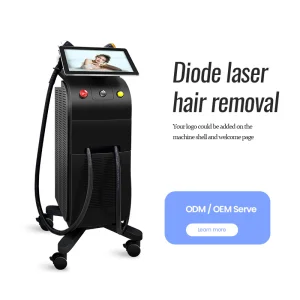
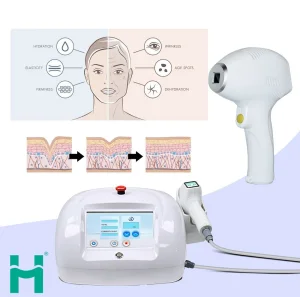
A critical consideration for Kenyan dermatologists and medspas is safety when treating higher melanin indices (Fitzpatrick Skin Phototypes IV, V, and VI). Unlike older laser architectures that pose risk for hyperpigmentation or thermal scarring, modern systems utilize targeted wavelengths (such as 1064nm Nd:YAG or fractional radio frequency) to protect the epidermis while stimulating collagen production in the deep dermis. For skin rejuvenation and hair removal, diode lasers with advanced contact cooling and highly controlled pulse widths are preferred over raw Intense Pulsed Light (IPL) configurations.

The Shift to Non-Surgical Procedures

From scar revisions and anti-aging treatments to body contouring, Kenyan consumers are choosing clinical options that involve minimal downtime. This shift requires clinics to import sophisticated systems directly from verified manufacturers, bypassing middle agents to secure reliable machinery with direct OEM/ODM factory guarantees.
Global Manufacturing & Technology Roadmap (2025 - 2030)

Aesthetic device engineering has progressed from basic light therapy to advanced multi-platform systems integrating AI, RF microneedling, and fractional sub-millimeter lasers. As a dominant global production hub, Shenzhen leads this evolution by combining optoelectronic research with advanced semiconductor manufacturing.

"The integration of real-time epidermal temperature sensors and dual-pulse cooling systems represents a significant safety advancement for treating dark skin tones, minimizing risk and maximizing client comfort."

Phase 1: Multi-Wavelength Integration

Combining 755nm, 808nm, and 1064nm wavelengths into single-handpiece platforms to treat diverse hair and skin types on a single system.

Phase 2: Targeted Thermal Control

Advancing Fractional CO2 and 1470nm laser technologies to optimize tissue ablation while minimizing peripheral thermal damage and recovery time.

Phase 3: AI-Driven Protocols

Implementing sensor arrays that analyze skin impedance and melanin density, automatically adjusting pulse width and energy density in real time.

Establishing E-E-A-T: Regulatory Compliance & Import Safeguards

For Kenyan clinics, selecting a manufacturing partner involves verifying international regulatory compliance. Devices should carry clear CE marks, FDA clearances (where applicable), and be manufactured under ISO 13485 Quality Management Systems. This ensures consistent output, stable calibrations, and physical safety, helping operators build a trusted brand presence in East Africa.

Manufacturing Infrastructure & Global Capacity: Shenzhen Rudiz Beauty Co., Ltd.

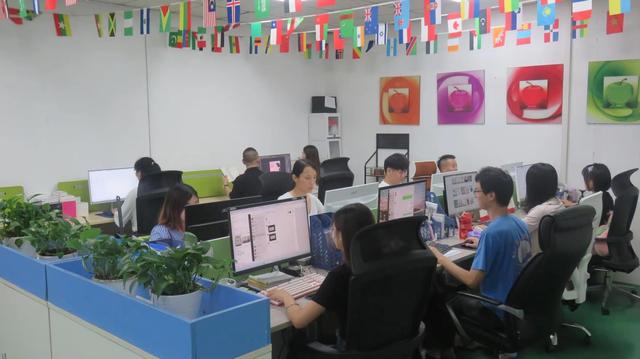
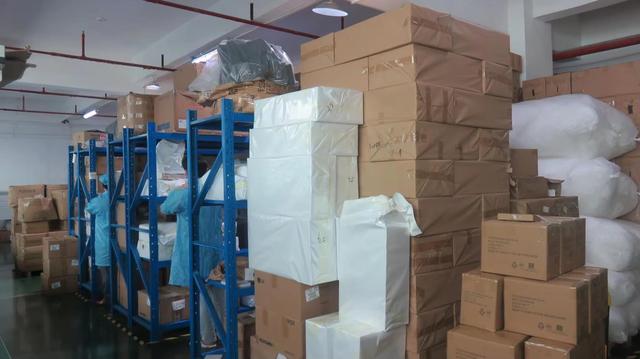
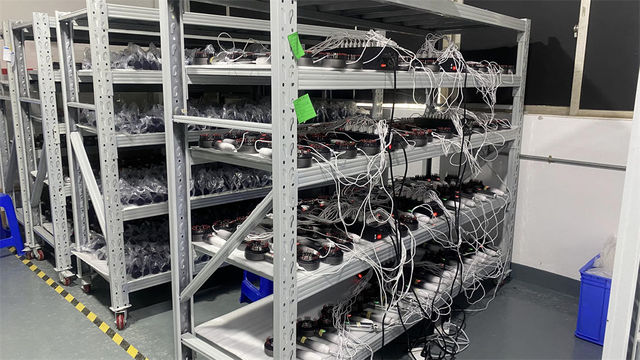
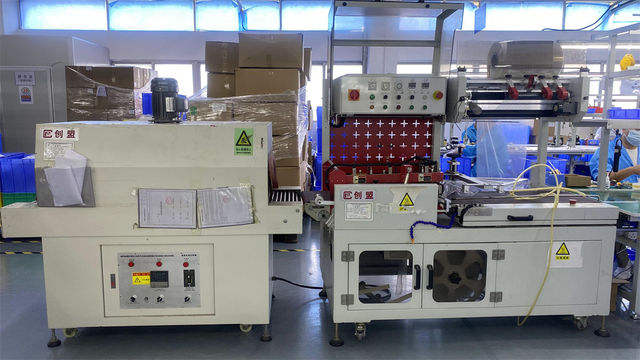
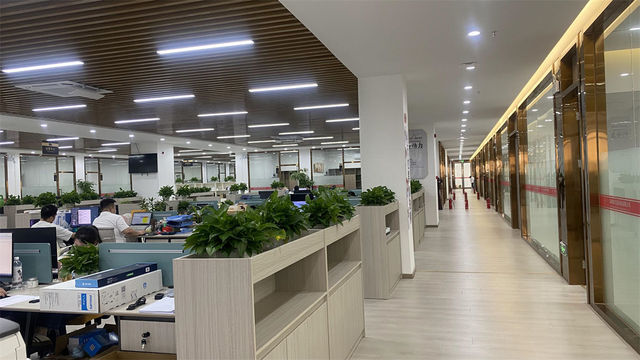
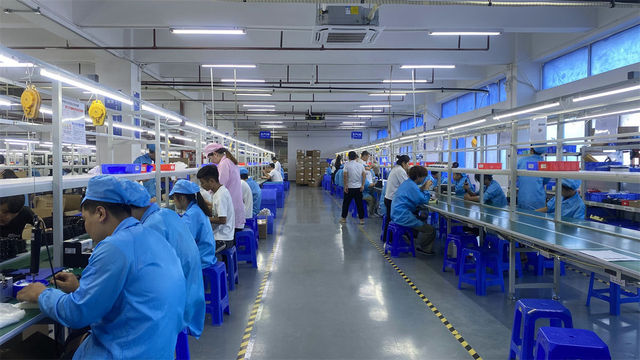
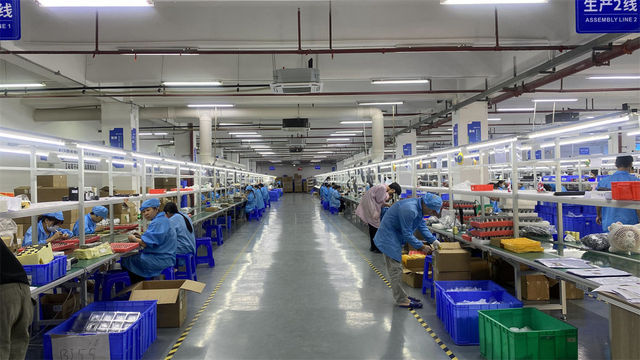
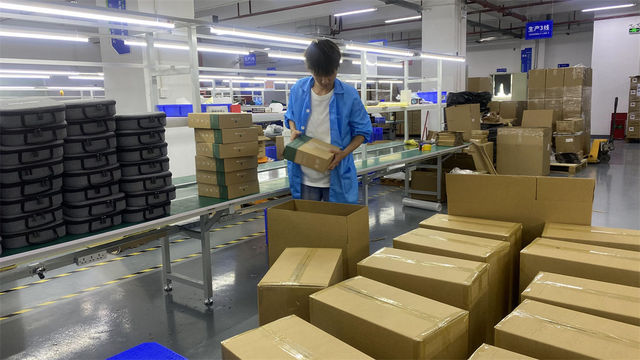
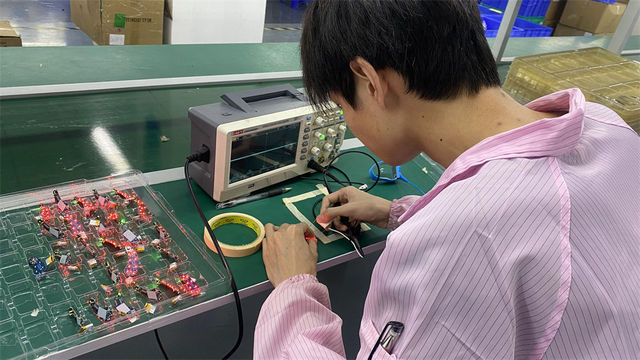
Founded in 2014 in Shenzhen, China, Shenzhen Rudiz Beauty Co., Ltd. is a specialized manufacturer of advanced aesthetic technologies and smart skincare systems. With a modern 10,000+ square meter production facility and over 200 skilled specialists, we integrate design, R&D, precision manufacturing, quality control, and international export logistics into a single workflow.

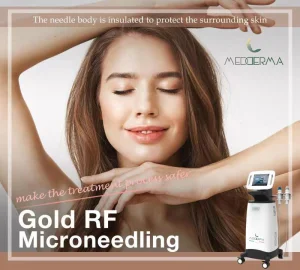
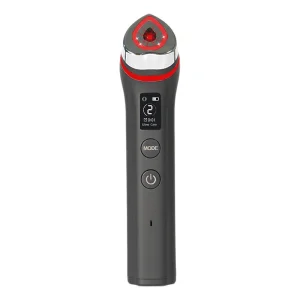
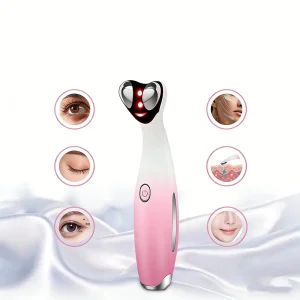
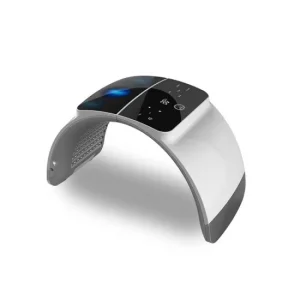
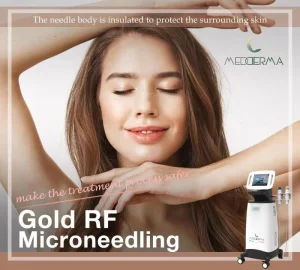
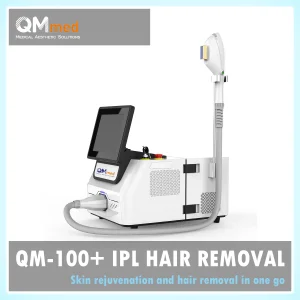
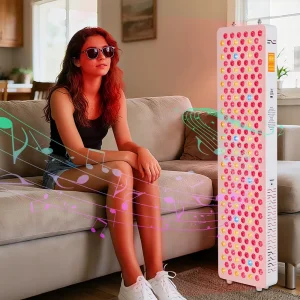
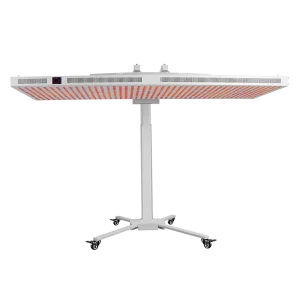
Our product lineup features high-performance skincare devices, including microcurrent systems, radiofrequency tightening platforms, LED phototherapy panels, and high-power clinical lasers designed for both salon and home use. We are a trusted OEM/ODM partner, offering custom casing designs, localized software UI, and custom brand packaging to help clients enter local markets efficiently.

Macro Solutions for the Kenya Market

To support clients in Kenya, we provide customized support designed to address local operational factors:

  • Grid Stabilization Compatibility: Power supplies configured to handle 240V at 50Hz, with built-in surge protections to manage voltage fluctuations and safeguard sensitive electronics.
  • Door-to-Door (DDP) Freight Alliances: Established logistics lanes to Mombasa Port and JKIA Airport in Nairobi, including clearance and handling for medical equipment.
  • Comprehensive Documentation Support: Providing PVOC certification, certificate of conformity (CoC), and custom documentation to ensure efficient customs clearance.
  • Technical Support: Detailed clinical manuals, digital training videos, and online access to support technicians to minimize device downtime.

Expert Q&A: Importing & Operating in Kenya

Important advice for distributors and clinic owners importing energy-based aesthetic systems.

Which laser wavelength is safest for treating skin types V and VI in Kenya?

The 1064nm wavelength (Long-Pulsed Nd:YAG or 1064nm diode configuration) is the safest choice for Fitzpatrick Skin Types V and VI. This wavelength has a lower absorption rate in melanin compared to shorter wavelengths (like 755nm or IPL), protecting the epidermis from heat damage while targeting dermal structures to treat hyperpigmentation, scars, and unwanted hair.

What documentation is required to clear cosmetic lasers at Mombasa Port?

Importers need a Pre-Export Verification of Conformity (PVOC) Certificate of Conformity (CoC), an import declaration form (IDF), a commercial invoice, a packing list, a bill of lading, and proof of compliance with Kenya Bureau of Standards (KEBS) guidelines. We work closely with testing agencies like SGS to prepare these documents prior to shipment.

How do electrical grid fluctuations in Kenya affect these devices?

High-power medical lasers require stable current. Fluctuations can damage capacitors or optical systems. We build our equipment to handle 220V-240V variations, but we recommend clinics use a dedicated heavy-duty Automatic Voltage Regulator (AVR) to manage local power surges.

Do you provide training for clinical staff on imported laser systems?

Yes. We supply comprehensive operation guides, technical parameters, and video training protocols. We also offer online clinical training sessions to help your staff safely configure and use the systems.