 Rudiz Beauty
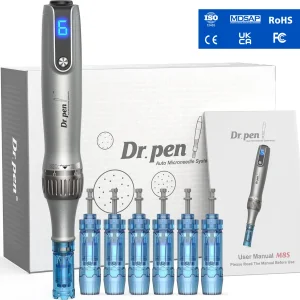
Explore our top 4 highly requested acne therapeutics, optimized for Korean regulatory standards and dermatological efficacy.
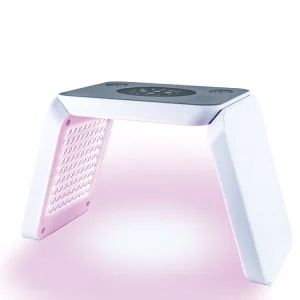
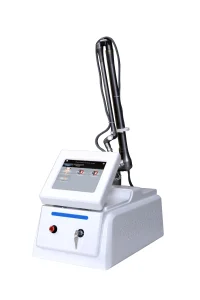
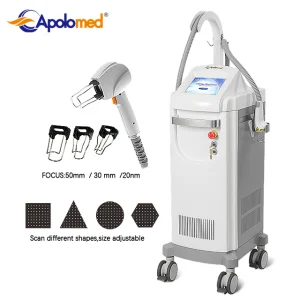
Insights into Korea’s advanced clinical landscape, consumer expectations, and mechanical modalities.
South Korea stands at the vanguard of the global medical aesthetic and cosmetic fields. The domestic consumer base, widely known for driving the 'K-Beauty' standard, possesses a high level of literacy regarding skincare interventions. While topical treatments and cosmetics maintain their popularity, there has been a significant shift towards device-based clinical treatments for moderate-to-severe acne and subsequent post-inflammatory hyperpigmentation (PIH) and scarring.
In Seoul’s Gangnam and similar high-density aesthetic districts, acne care is no longer categorized under general skincare. It is treated via high-tech, targeted energy devices. Dermatologists and aesthetic clinicians utilize combination therapies—combining microneedling radiofrequency (RF), fractional CO2 lasers, and advanced photodynamic light systems—to address all stages of acne pathology. Importers and distributors require hardware that delivers high therapeutic efficacy, quick treatment times, and minimal down-time to meet the expectations of this competitive market.
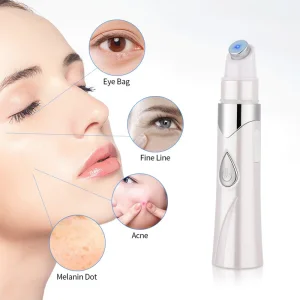
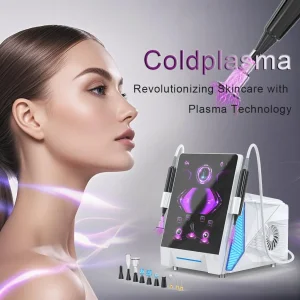
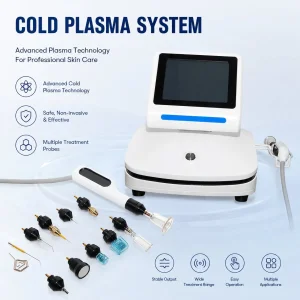
The technological landscape of acne management devices is evolving rapidly. Traditional blue-light therapy is now complemented by cold plasma (non-thermal atmospheric plasma) technology, which shows strong bacterial disinfection and wound-healing properties without generating thermal stress. This process targets Cutibacterium acnes through transient reactive oxygen and nitrogen species (ROS/RNS) that rupture bacterial membranes.
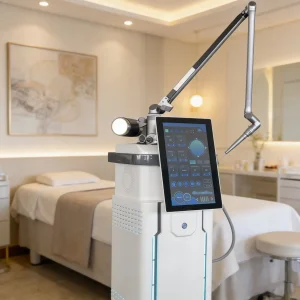
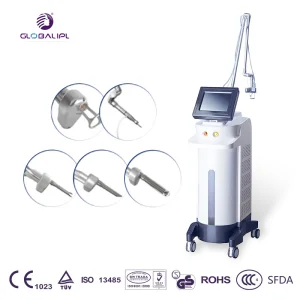
Additionally, fractional CO2 lasers coupled with radiofrequency (RF) energy dominate the scar-remodeling market. By creating micro-thermal zones (MTZs) in the dermis, these systems trigger rapid neocollagenesis to restore skin elasticity and smooth out deeply pitted icepick or boxcar scars. Future device platforms will focus on integrating artificial intelligence (AI) skin diagnostics directly into the hardware, allowing real-time depth adjustment and energy optimization based on localized epidermal density and sebum levels.
High-performance clinical systems targeting acne scar mitigation and epidermal regeneration.
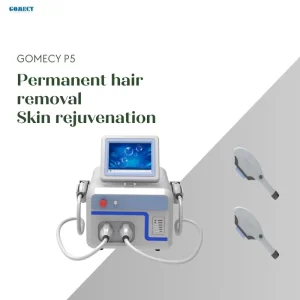
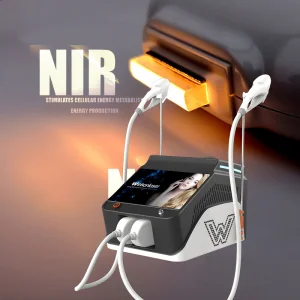
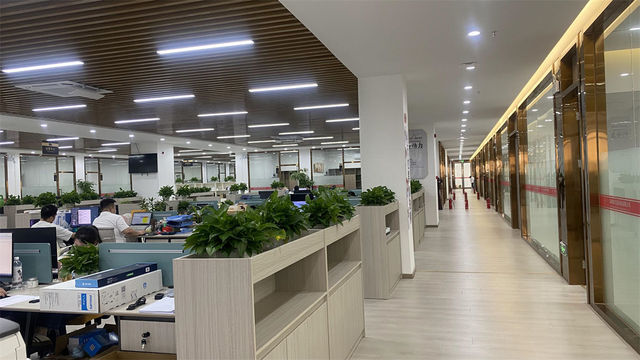
The speed-to-market required by South Korea's fast-moving medical spa sector relies on an agile manufacturing backend. Located in Shenzhen, China's electronics and innovation capital, Shenzhen Rudiz Beauty Co., Ltd. offers a strong B2B partnership model that bridges manufacturing efficiency with advanced medical technology.
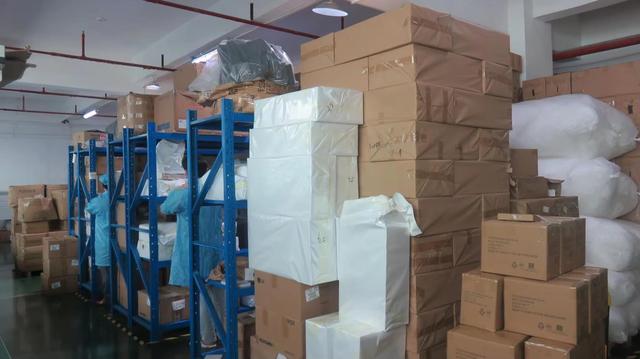
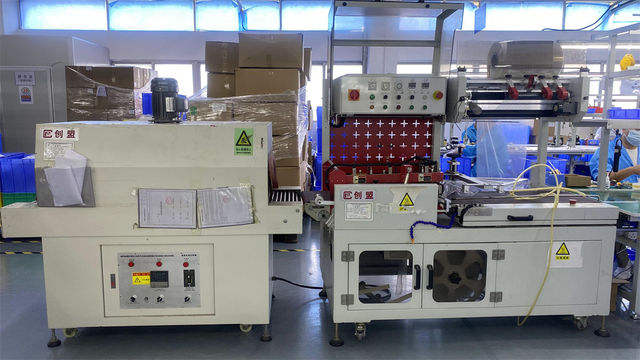
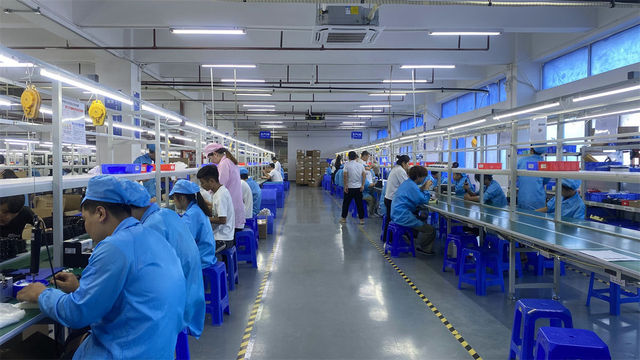
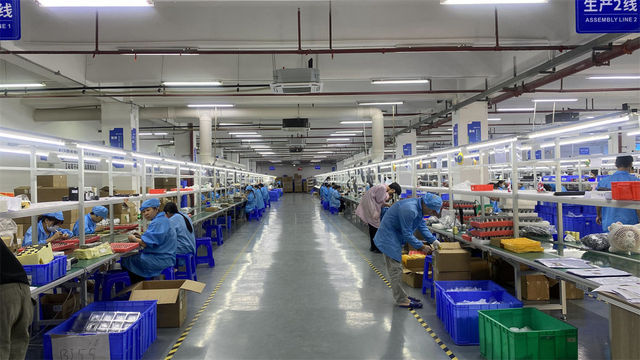
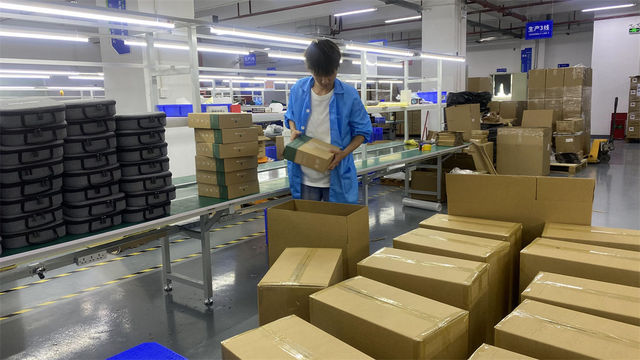
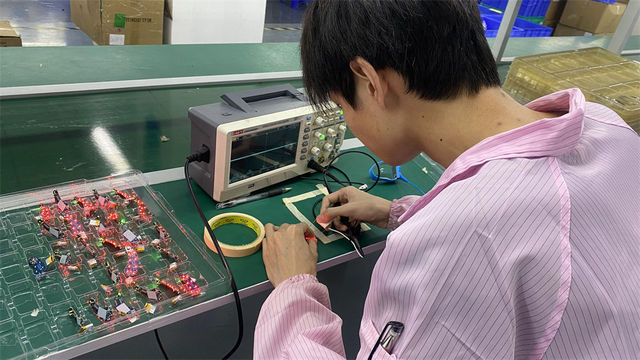
Our 10,000+ square meter factory integrates modern PCB surface mounting (SMT), industrial engineering, and comprehensive quality control. This consolidation of R&D and production under one roof allows us to shorten lead times, execute custom hardware changes quickly (ODM), and offer competitive pricing. For Korean aesthetic distributors, this synergy means you can scale up inventory and introduce new designs ahead of regional competitors, while benefiting from direct supply chain shipping routes between Shenzhen and Incheon.
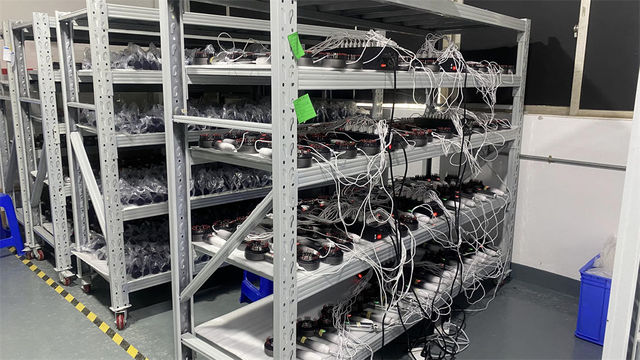
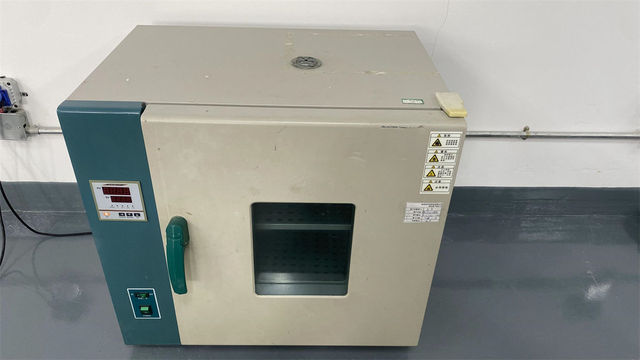
With a workforce of over 200 skilled operators and engineers, our production lines follow strict quality control protocols. Every optical wavelength, microcurrent waveform, and thermal energy output is calibrated using high-precision oscilloscope systems. This rigorous approach minimizes defect rates and supports smooth operation in busy clinical environments.
Connect with Our R&D Engineers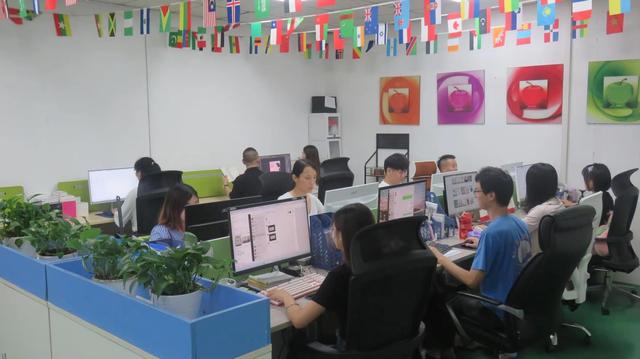
Navigating the import requirements for aesthetic medical hardware entering South Korea.
Entering the South Korean aesthetic market requires navigating the country's medical device classification guidelines. The Ministry of Food and Drug Safety (MFDS) regulates devices based on safety risks: Class I (low risk) to Class IV (high risk). Most advanced acne devices featuring lasers, high-intensity RF, or micro-needling fall under Class II or Class III classifications.
As an exporter serving Korea, Rudiz Beauty ensures all product documentation, including electromagnetic compatibility (EMC) reports, electrical safety verification (IEC 60601-1), and clinical safety data, is prepared to assist our local importing partners. We provide complete technical construction files (TCF) to support the MFDS review process, helping to avoid registration bottlenecks at Incheon customs. Additionally, our factories are audited to meet international quality control standards, ensuring consistent build quality for every shipment.
We also provide localized user interfaces, Korean-translated manual guides, and software updates to help local operators use our devices efficiently. Our global technical support team provides troubleshooting materials and component replacement options, minimizing downtime for your client clinics.
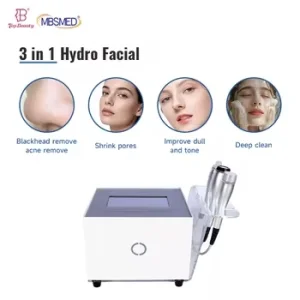
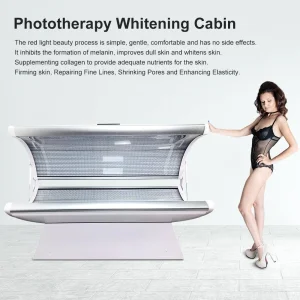
Our comprehensive equipment range designed to address active acne, sebum control, and skin rejuvenation.
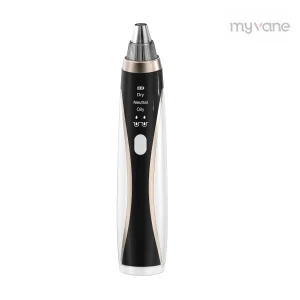
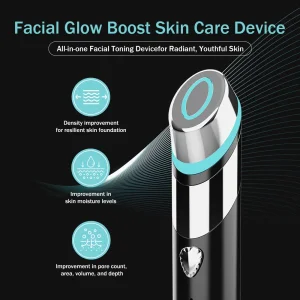
Essential considerations regarding importation, quality compliance, and hardware options for the South Korean aesthetic sector.
For standard equipment batches, production requires 15 to 20 business days. Custom ODM or private label orders, including customized shell designs or Korean firmware adaptation, typically take 35 to 45 days. Shipping from the Port of Shenzhen to the Port of Incheon takes approximately 3 to 5 days, making it a highly responsive supply chain option.
Yes, our core systems are certified with CE and FDA approvals. We also maintain ISO 13485 quality management compliance during the manufacturing phase to support Korean partners with the local MFDS (KFDA) medical device registration process.
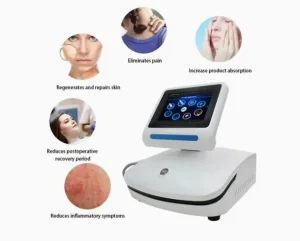
While blue LED light (415nm) targets acne bacteria by exciting endogenous porphyrins to create singlet oxygen, cold plasma (non-thermal atmospheric plasma) works via a broader physical process. It creates high-velocity ionized gas containing reactive oxygen/nitrogen species (ROS/RNS) that disrupt bacterial membranes directly. Additionally, cold plasma helps open cellular tight junctions temporarily, improving the absorption of post-treatment topical serums.
Yes. Through our ODM services, we offer customized software configurations, including localized user interfaces in Korean, tailored pre-set clinical protocols, and custom exterior branding, helping to align the hardware with your business requirements.