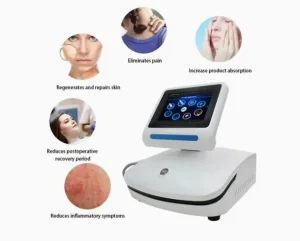
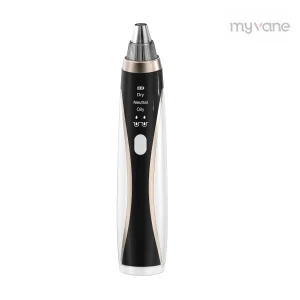
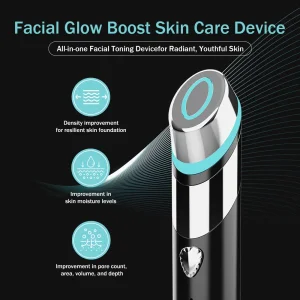
Engineered for peak performance, regulatory compliance, and rapid ROI in aesthetic clinics.
Acne vulgaris remains one of the most prevalent dermatological challenges globally, but its manifestation in the Philippine Archipelago presents a unique matrix of genetic, climatic, and physiological factors. For medical directors, spa owners, and cosmetic product distributors in Manila, Cebu, Davao, and beyond, choosing the correct acne treatment machinery is not merely a purchasing decision; it is a clinical and operational equation. This whitepaper analyzes the current commercial landscape, evaluates the underlying technical physics, and provides a clear strategic roadmap for deploying advanced energy-based devices (EBDs) to treat acne and acne scarring under local conditions.
The Philippines experiences a tropical rainforest climate characterized by high temperatures, extreme relative humidity, and persistent atmospheric pollution in major urban zones. These parameters act as a catalyst for follicular hyperkeratosis and sebum hypersecretion. The sebaceous glands of Southeast Asian skin, particularly those categorized within Fitzpatrick Skin Types III to VI, exhibit a higher density and basal excretion rate compared to Caucasian skin types. When combined with localized urban particulate matter, the follicular infundibulum easily becomes occluded, creating an anaerobic, lipid-rich microenvironment that accelerates the colonization of *Cutibacterium acnes* (formerly *Propionibacterium acnes*).
Furthermore, darker skin phototypes are highly susceptible to Post-Inflammatory Hyperpigmentation (PIH) and Post-Inflammatory Erythema (PIE) following any inflammatory process, including active acne lesions and poorly calibrated thermal laser therapies. Traditional aggressive ablative treatments carry high risk profiles. Consequently, the Philippine market demands non-thermal or highly controlled, fractionated thermal modalities that deliver maximum efficacy with minimal epidermal disruption. Devices incorporating technologies such as Cold Plasma, RF Microneedling, and Narrowband Light Emitting Diodes (LED/PDT) have emerged as the safest and most efficient clinical interventions for this demographic.
Treating acne in Fitzpatrick Type III-VI skin requires energy sources that bypass or mitigate epidermal melanin absorption. Technologies like radiofrequency (which is color-blind) and non-thermal cold plasma are becoming the preferred modalities over traditional fully-ablative lasers in leading dermatology clinics in Bonifacio Global City (BGC) and Makati.
On a global scale, the acne treatment device sector is experiencing a paradigm shift towards home-use micro-devices and non-invasive, multi-technology clinical platforms. Industry intelligence suggests a compound annual growth rate (CAGR) exceeding 12% in the Southeast Asian aesthetic device market. This growth is propelled by rising disposable incomes, a demographic tilt towards a younger, digitally active population, and the rapid expansion of franchise aesthetic clinics offering standardized, budget-friendly treatments.
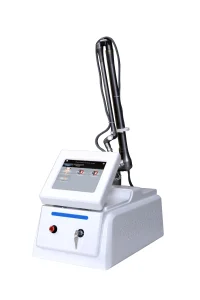
In the Philippines, the commercial pipeline is bifurcated. On one end, premium medical-grade systems (such as high-density RF Microneedling and Fractional CO2 Lasers) are sourced directly by clinical networks in Metro Manila, Metro Cebu, and Davao. On the other end, the growth of wellness spas and mobile aesthetic practitioners drives a strong demand for portable, multi-functional tools—such as cold plasma pens, hydro-dermabrasion equipment, and portable IPL masks. Distributors who can supply certified, high-reliability equipment with strong OEM support are positioned to capture these high-growth segments.
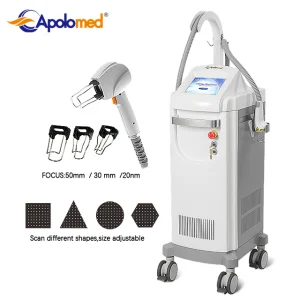
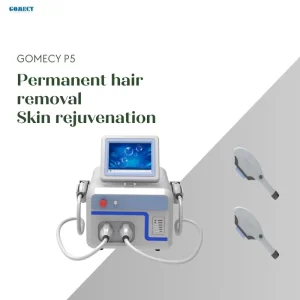
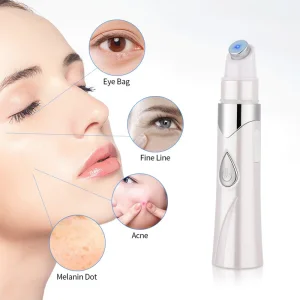
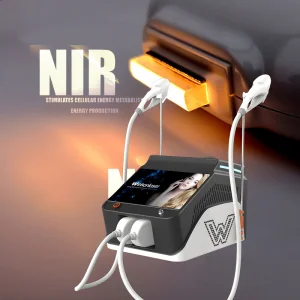
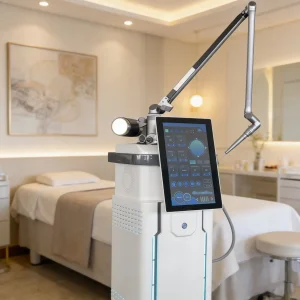
Heavy-duty, high-performance engines designed for medical-grade dermatology clinics and aesthetic franchises.
Understanding the physics of modern aesthetic devices is critical for maximizing treatment outcomes. Energy-based acne treatment devices operate across several distinct physical paradigms, each targeting a specific phase of the acne pathogenesis cycle:
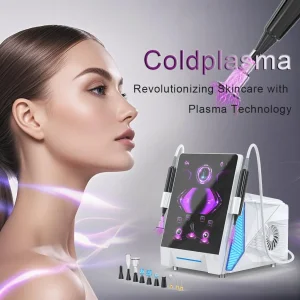
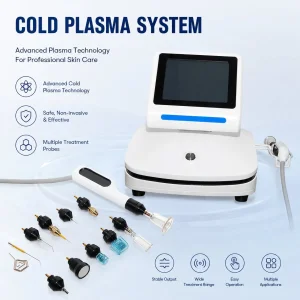
Utilizing high-voltage, high-frequency electrical fields, these devices ionize ambient air to generate reactive oxygen and nitrogen species (RONS), ultraviolet radiation, and transient electric fields. The RONS induce oxidative stress on the bacterial cell membranes of *C. acnes*, causing rapid lysis without transferring thermal energy to the surrounding dermis. This makes cold plasma highly suitable for active, inflamed pustules in darker skin types where thermal lasers pose high PIH risks.
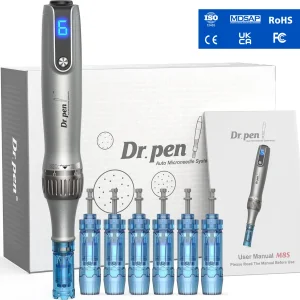
This method delivers insulated or non-insulated microneedles deep into the reticular dermis, emitting bipolar radiofrequency energy at controlled depths (0.5mm to 3.5mm). By converting electromagnetic energy into thermal energy inside the target layer, it selectively coagulates the sebaceous glands, reducing sebum production at the source. Concurrently, the mechanical micro-injuries and localized heat induce neocollagenesis, repairing depressed icepick, boxcar, and rolling acne scars.
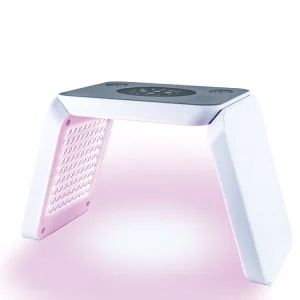
Targeted phototherapy relies on light absorption by endogenous photo-acceptors. Specifically, *C. acnes* produces coproporphyrin III, which absorbs blue light peak wavelengths around 415nm. This excitation generates singlet oxygen species that kill the bacteria. Concurrently, red light at 630nm penetrates deeper to stimulate mitochondria, upregulating ATP production, improving localized microcirculation, and mitigating post-acne erythema.
For businesses scaling their operations in the Philippines, a strategic approach requires analyzing equipment life cycles, compliance frameworks, and procurement logistics. Shenzhen Rudiz Beauty Co., Ltd. provides comprehensive industrial frameworks to simplify this pathway:
Shenzhen Rudiz Beauty Co., Ltd. — Your trusted partner in high-tech aesthetic engineering.
Shenzhen Rudiz Beauty Co., Ltd. is a professional beauty device manufacturer specializing in smart skincare technology, anti-aging beauty equipment, and advanced aesthetic solutions for global beauty brands, distributors, retailers, and professional skincare businesses. Established in 2014, the company is located in Shenzhen, China, a leading center for innovation, electronics manufacturing, and international trade.
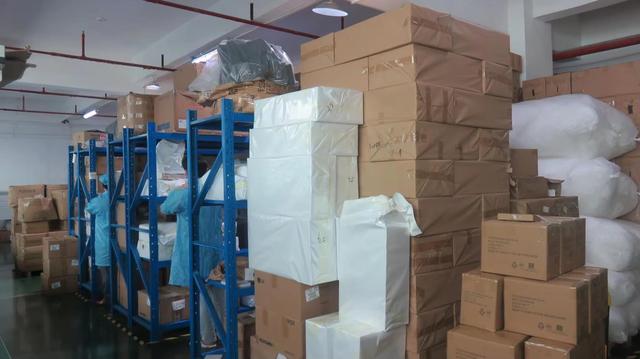
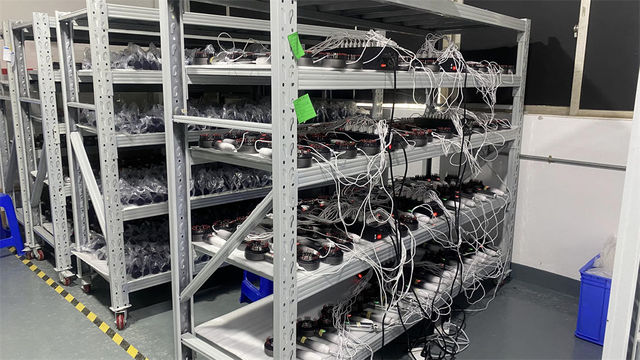
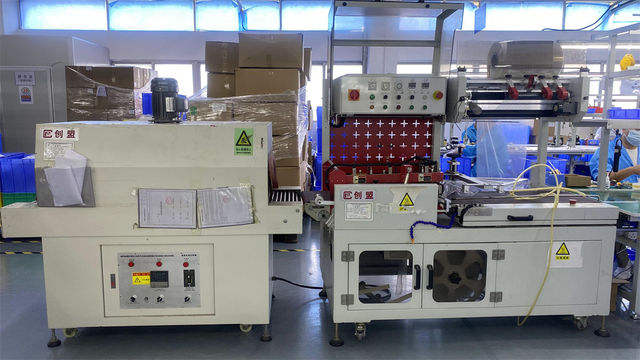
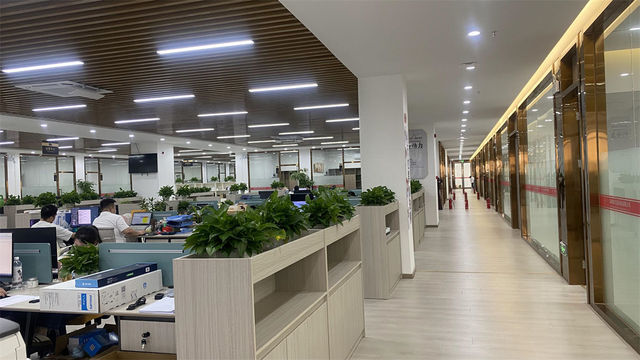
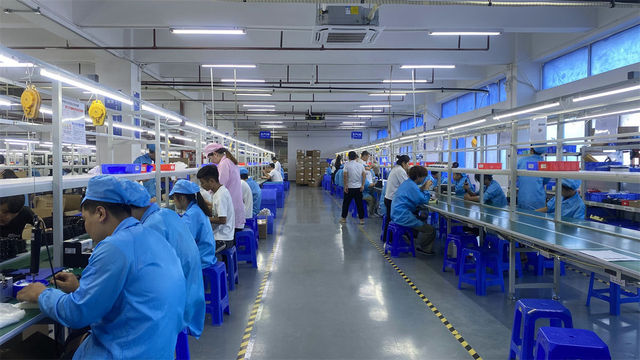
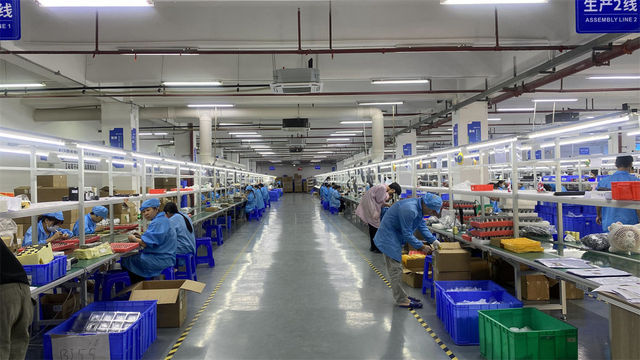
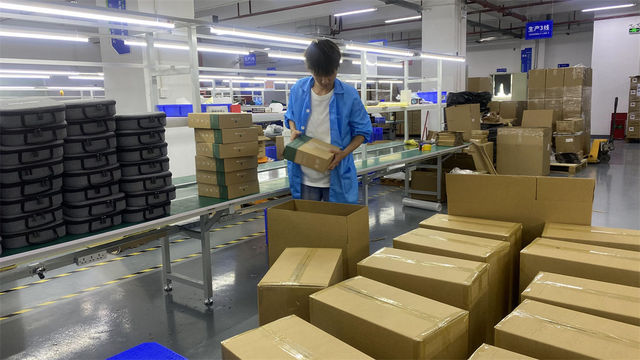
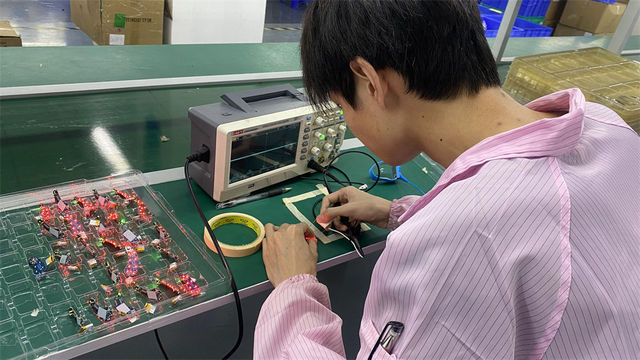
With a modern production facility covering more than 10,000 square meters and a team of over 200 skilled employees, Rudiz Beauty integrates industrial design, research and development, manufacturing, quality control, and global sales into a complete production system. The company continuously invests in advanced beauty technologies and product innovation to meet the growing demand for safe, effective, and user-friendly skincare solutions.
Rudiz Beauty offers a comprehensive range of beauty devices, including facial care devices, skin rejuvenation equipment, anti-aging systems, LED light therapy devices, microcurrent beauty devices, radio frequency skincare equipment, skin tightening solutions, eye care devices, and multifunctional beauty tools for both home and professional use. Products are developed with a focus on performance, safety, ergonomic design, and ease of operation.
As an experienced OEM and ODM manufacturing partner, the company provides customized product development, industrial design support, private labeling, packaging solutions, and flexible production services tailored to customer requirements. Its products are exported to North America, Europe, Southeast Asia, the Middle East, Australia, and other international markets. Committed to quality, innovation, and long-term partnerships, Shenzhen Rudiz Beauty Co., Ltd. strives to deliver reliable beauty technology solutions that help customers expand their product portfolios and strengthen their competitiveness in the global beauty and personal care industry.

Answers to common technical, logistics, and clinical questions regarding acne device imports in the Philippines.
Filipino skin commonly falls within Fitzpatrick Skin Types III to VI, which have higher melanin concentrations. Thermal-based platforms, like classic lasers, pose a higher risk of Post-Inflammatory Hyperpigmentation (PIH) due to collateral heat. Cold Atmospheric Plasma (CAP) destroys active bacteria and sterilizes the skin through reactive oxygen species (ROS) rather than thermal injury, offering a safer treatment option with minimal downtime.
RF Microneedling works on two fronts. The physical microneedles create micro-channels that trigger the skin’s natural wound healing response, remodeling collagen in depressed scars. Simultaneously, the radiofrequency energy delivered at the needle tips heats the dermis, temporarily shrinking sebaceous glands to reduce sebum production. This dual action targets both active acne and existing scars.
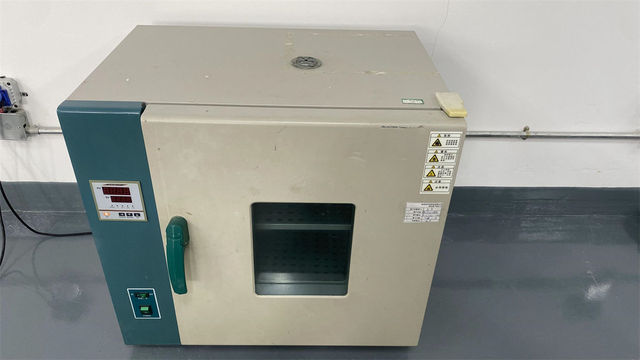
Our systems are manufactured in compliance with ISO13485 quality management systems. Individual devices hold CE and FDA clearances, simplifying importation registration with the Philippine FDA and providing reassurance for local clinical installations.
Shipping from our Shenzhen facilities to major entry ports in the Philippines (such as Port of Manila or Cebu Port) typically takes 5 to 7 business days via air freight, or 12 to 15 days via sea freight. We assist with full documentation to ensure efficient customs clearance.
A complete suite of energy-based systems engineered for professional skincare clinics and high-volume wellness spas.
Get in touch with our engineering and sales teams to configure custom specifications, branding, and container-load pricing adapted to your business model.
Send Inquiry Now Rudiz Beauty