High-performance diagnostic, rejuvenation, and body contouring technologies for international markets.
The global professional skincare market is experiencing an unprecedented structural shift. Spurred by rising consumer awareness of non-invasive facial rejuvenation, the demand for high-performance pore cleansing devices is expanding from professional clinical environments directly into the home skincare routines of millions of consumers.
Historically restricted to medical aesthetics and high-end beauty salons, advanced technologies such as hydro-dermabrasion, high-frequency ultrasonic skin scrubbing, and vacuum extraction are now standard features in compact, handheld personal beauty equipment. Today, international distributors and professional spa networks demand devices that deliver consistent clinical-grade outcomes with zero downtime.
This expansion is driven by a deep focus on personalized skincare. Modern consumers utilize facial scanners and smart analysis technologies to map their epidermal profile, matching their specific skin conditions to mechanical, optical, or chemical extraction methods. As a result, B2B procurement strategies have shifted toward manufacturers capable of delivering agile OEM/ODM customized platforms equipped with multi-modal technology integrations.
Devices must satisfy rigorous medical safety evaluations including CE, FDA clearance, RoHS, and FCC protocols before entry to mature markets.
Users require visual confirmation of sebum extraction and blackhead removal, elevating the import of integrated micro-cameras and smart app configurations.
Medical-grade silicone, biocompatible polymers, and non-porous ceramic tips are preferred to prevent bacterial colonization and skin irritation.
A comparative overview of the underlying mechanics driving the performance of modern skincare extraction equipment.
Utilizes an integrated vacuum pump system synchronized with a localized liquid circulation loop. This mechanism delivers exfoliating solution under negative pressure, concurrently drawing away sebum, dead epithelial cells, and impurities while infusing active botanical extracts deep into the pores.
Operates through piezoceramic transducers generating mechanical longitudinal wave oscillations at rates of 24,000 to 30,000 Hz. These high-speed micro-vibrations atomize water droplets, creating localized micro-jets that safely dislodge hardened comedones and sebum via cavitational energy.
Relies on direct mechanical air extraction to construct a pressure gradient between the ambient atmosphere and the interior of the treatment tip. By adjusting suction levels between 55 kPa and 65 kPa, it physically draws out keratin plugs without causing micro-tearing of the dermis.
Established in 2014 in Shenzhen, China—the global epicenter for electronic design and precision manufacturing—Shenzhen Rudiz Beauty Co., Ltd. has grown into a leading industrial authority. The company integrates industrial design, advanced research and development, smart electronics manufacturing, rigorous quality control systems, and international trade into a single, cohesive vertical ecosystem.
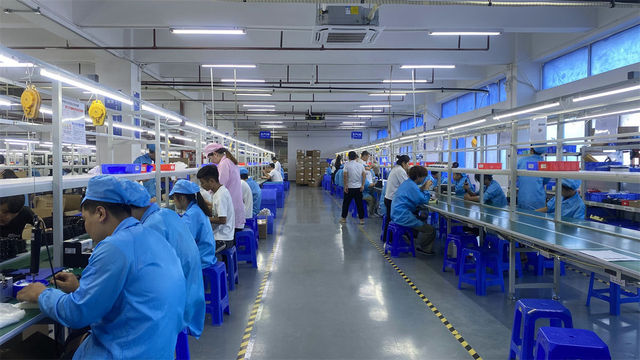
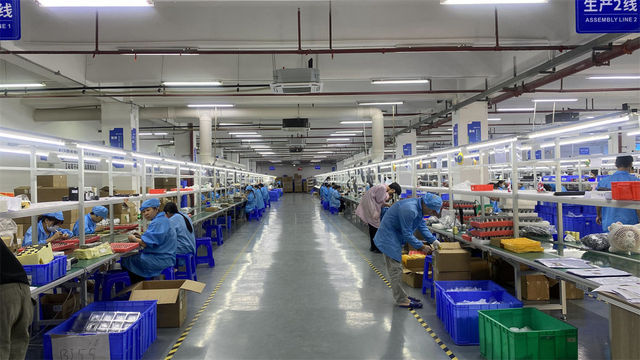
Operating a state-of-the-art facility spanning over 10,000 square meters and powered by more than 200 skilled engineers and technicians, Rudiz Beauty delivers high-performance anti-aging, skincare, and body contouring devices to major brands and professional clinics worldwide.
"We provide customized product development, industrial design support, private labeling, packaging solutions, and flexible production services tailored to client requirements, serving markets across North America, Europe, Southeast Asia, the Middle East, and Australia."
Why the integration of advanced electronics and mechanical assembly in Shenzhen delivers unrivaled efficiency and quality.
To understand why global buyers prioritize China-based manufacturers for pore cleansing devices, one must examine the localized industrial clusters of Shenzhen. As a global hub, Shenzhen provides direct access to every link of the supply chain—from raw plastic injection and PCB design to optical sensors, custom pump engineering, and final product packaging. This geographical integration drastically reduces R&D cycles, allowing brands to transition from initial concept sketches to mass-market production in a fraction of the time required elsewhere.
Shenzhen's semiconductor and microelectronics ecosystem allows rapid customization of driver boards. This facilitates precise motor speed adjustment, LED wave-length tuning, and real-time battery management system (BMS) integration.
Access to high-speed CNC milling and precision injection molding facilitates fast iterations of ergonomic handles and customized extraction tips. This allows clients to test, refine, and finalize product housing designs rapidly.
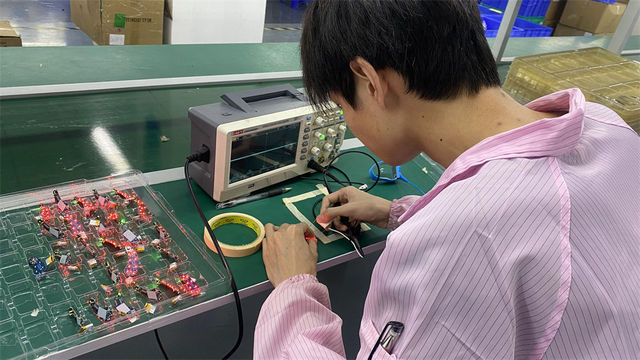
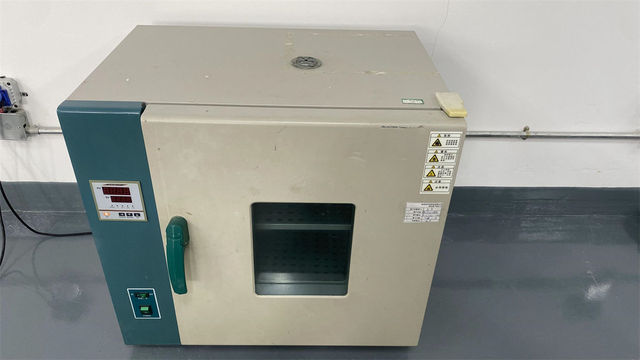
Equipped with on-site environmental chambers, battery aging apparatuses, and drop-testing rigs, Chinese manufacturers ensure that products comply with FDA, CE, FCC, and RoHS standards before shipping.
How pore cleansing and beauty technologies are deployed across different international markets.
The deployment of extraction and cleansing technologies varies significantly between target demographics. While clinical Spas and medical-aesthetic salons require robust, high-duty-cycle stationary platforms with broad modality ranges, home-use devices prioritize portability, safety, and intuitive user interfaces.
Global distribution networks must tailor their product specifications to meet local consumer preferences and regulatory environments:
Strategic insights into emerging technologies that will define the next generation of professional and retail devices.
Next-generation devices will incorporate miniaturized multispectral cameras that analyze sebum concentration and pore blockage levels in real-time, automatically modulating vacuum levels and ultrasonic frequencies to prevent epidermal damage.
Using diamond-like carbon (DLC) coatings and antimicrobial nanostructures on extraction tips to virtually eliminate cross-contamination risks and minimize friction-induced redness in sensitive-skin patients.
Simultaneous deployment of mechanical vacuum extraction, low-level blue light therapy (415nm) to target acne-causing bacteria, and radiofrequency (RF) energy to immediately tighten the pore walls after extraction.
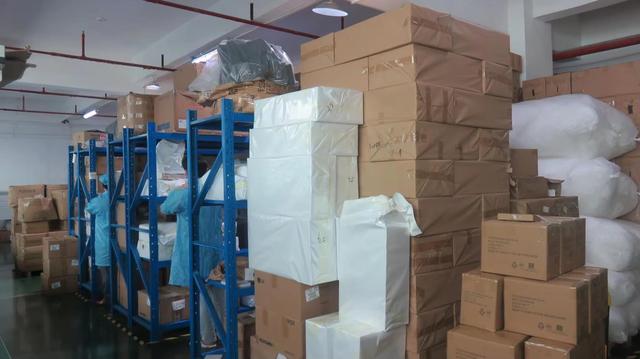
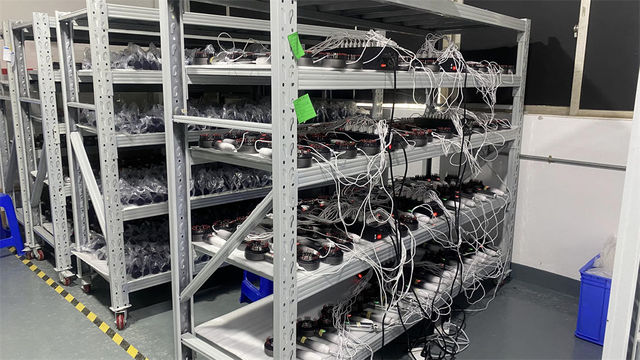
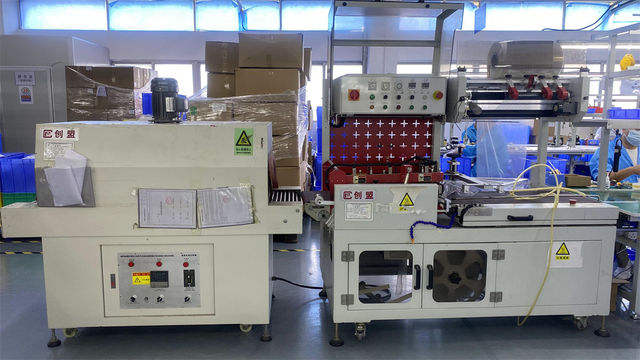
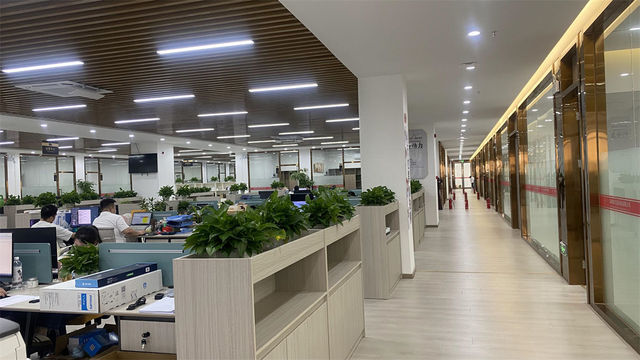
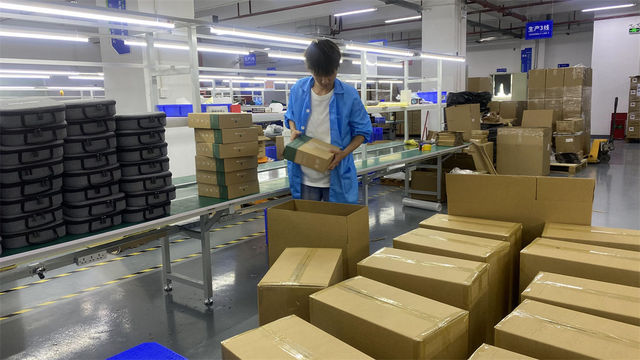
Inside our 10,000-square-meter facility: precision machinery, testing labs, and streamlined assembly lines.

Answers to critical questions regarding sourcing, manufacturing, and technology integration.
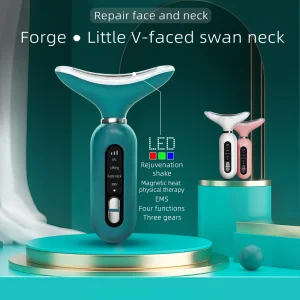
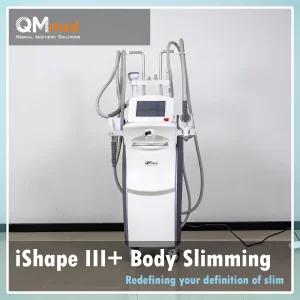
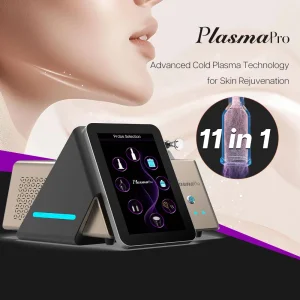
Explore our line of non-invasive facial tightening, RF fat reduction, and smart phototherapy systems.

 Rudiz Beauty