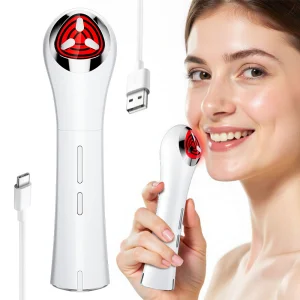
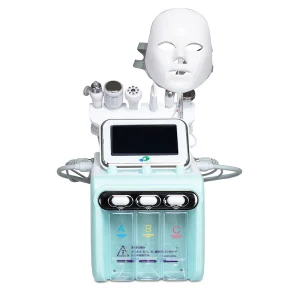
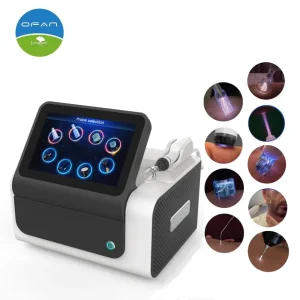

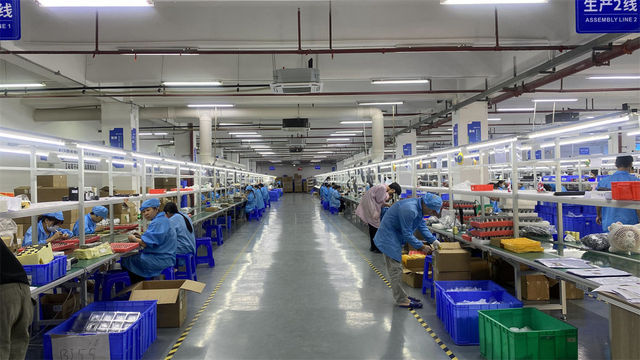
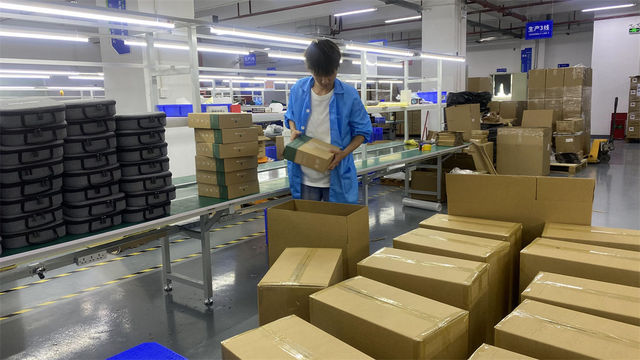
Established in 2014 in Shenzhen, China's epicentre of global hardware innovation, Shenzhen Rudiz Beauty Co., Ltd. has developed into a premier powerhouse of aesthetic research, design, engineering, and quality manufacturing. As a prominent OEM/ODM facial sprayers exporter, we coordinate multi-disciplinary capabilities to satisfy the rigorous technical requirements of international beauty brands, dermatology networks, medical spas, and high-volume consumer channels.
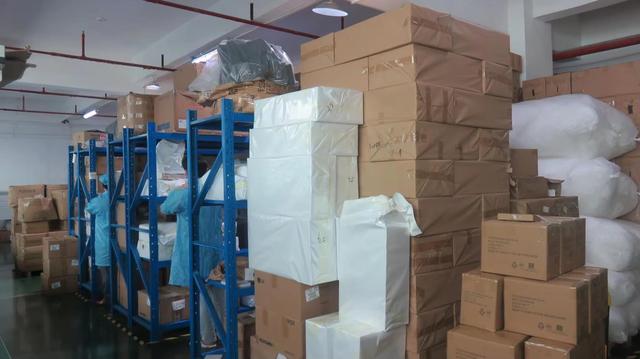
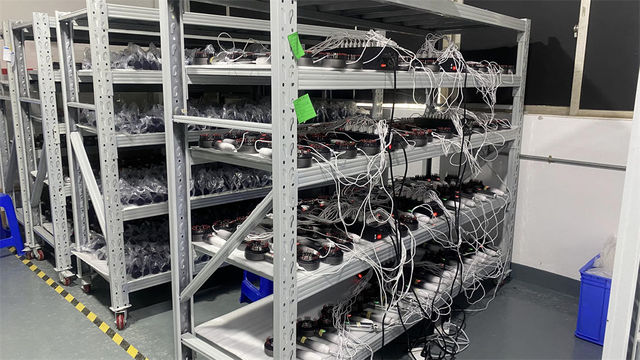
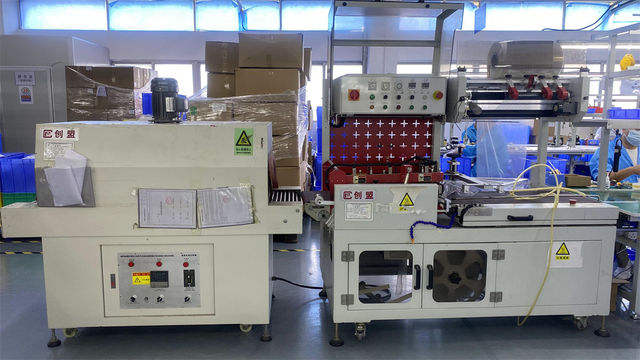
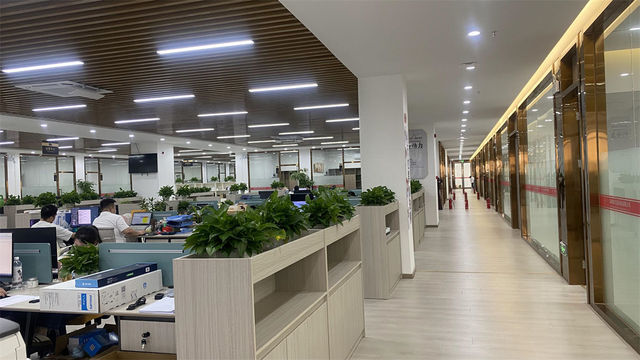
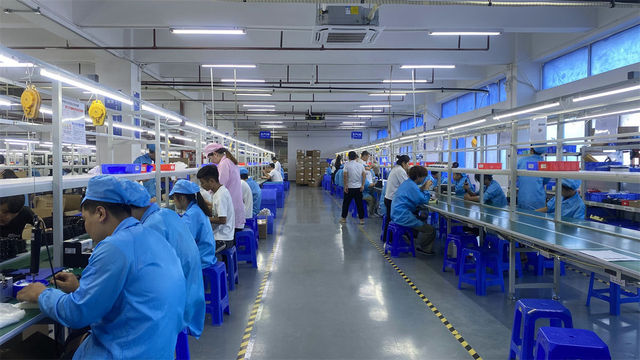
Spanning a modern, state-of-the-art facility of over 10,000 square meters and managed by a cohort of more than 200 skilled engineers, QC auditors, and precision assembly experts, Rudiz Beauty stands at the front line of transdermal misting and intelligent anti-aging technologies. We merge industrial form-factor innovation with optimized electronic layouts to construct devices that are safe, durable, and highly marketable.

The global demand for high-performance micro-mist delivery devices and facial sprayers has expanded beyond simple vapor humidification. Driven by consumers seeking targeted skin barrier support and active ingredient absorption, commercial brands require advanced systems. Skincare hardware is now an clinical partner in dermaceutical applications, using high-frequency vibrational dynamics to reduce particle sizes to nanometer scale for enhanced absorption.
Standard humidifiers generate droplet sizes exceeding 10-20 microns, which tend to gather on the skin surface and trigger transdermal water loss (TEWL) via evaporation. Our custom facial sprayers use piezoelectric ceramic discs that vibrate at 110-150 kHz, splitting water molecules into mist particles below 0.3-0.5 microns. This allows them to penetrate the stratum corneum without disrupting existing makeup barriers or causing skin irritation.
Manufacturing in Shenzhen, China gives us direct access to an integrated ecosystem of raw components, micro-pumps, certified lithium battery factories, and advanced surface finishing services. At Rudiz Beauty, we convert this geographical advantage into efficient production cycles, strict tolerances for high-pressure valves, custom PCBA design, and quick adjustments based on target market feedback.
Utilizing high-grade, chemical-resistant medical silicones to prevent degradation when using hydrosols or light toners.
Uncompromising security layouts with integrated over-current, over-charge, and short-circuit thermal protections for cordless operations.
Engineered with laser-drilled micro-apertures designed for uniform dispersal angles, optimizing active skin coverage.
Collaborating with client engineering teams to define core features (piezoelectric frequencies, battery capacity, light-therapy configurations) and evaluate target cost structures.
Generating detailed 3D CAD files, verifying ergonomic handle angles, and producing functional SLA/SLS prototypes for physical and functional validation.
Creating durable steel molds for ABS/PC enclosures, validating flow-simulation models, and running pilot test injections to confirm target surface finishes and structural integrity.
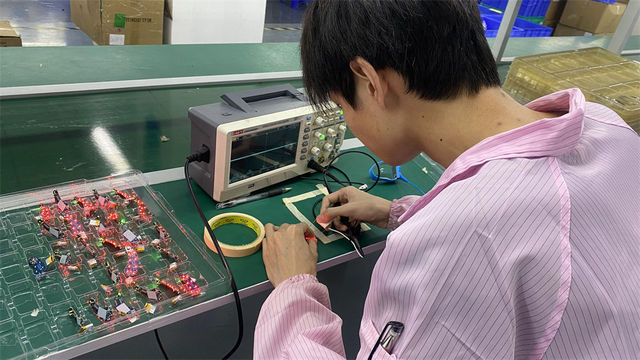
Designing custom control boards to manage spray cycles, LED wavelengths, safety sensors, and power management protocols for various distribution regions.
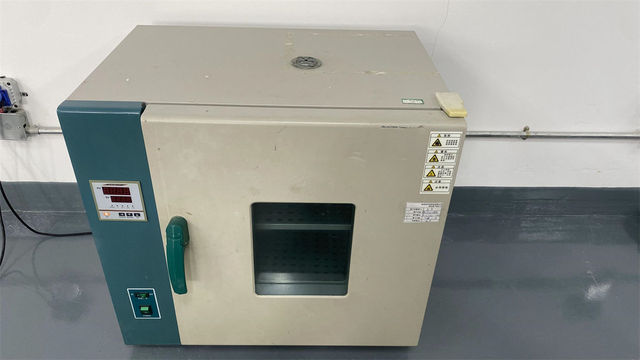
Securing key regional certifications (FDA, CE, FCC, RoHS) and subjecting assembly batches to high-temperature chamber aging tests, drop testing, and spray volume calibration.
Medical spas and clinics integrate our nano-spray devices to deliver cooling, non-contact hydration with sterile saline or soothing compounds. This aids patient recovery after ablative laser treatments, chemical peels, and intense pulsed light (IPL) therapies.
Skincare houses expand their product lines by bundling portable misting devices with their core essence formulations, establishing an integrated, tech-driven routine that boosts brand loyalty and repeat sales.
Estheticians utilize high-capacity mist devices to prepare the skin barrier, facilitating extractions and improving the slip and distribution of concentrated serums during facial treatments.
Our standard MOQ for baseline customized logos and product labels is 1,000 units. For modifications requiring custom injection tooling, personalized enclosure colors, or unique PCB layouts, the MOQ generally starts at 3,000 units, depending on tooling complexity and design scope.
We only source lithium-polymer cells certified to UN38.3, MSDS, and IEC62133 standards. Our completed device assemblies undergo aging tests and high-current protection tests, ensuring they comply with target shipping policies for air and sea cargo.
For existing designs with customized printing, standard production is 25-30 working days from receipt of deposit and graphic approvals. Comprehensive ODM projects requiring mold layout modifications, prototyping, and compliance testing require approximately 60-75 working days.
We prioritize client IP security. We sign mutual Non-Disclosure Agreements (NDAs) prior to receiving design assets. Additionally, we isolate internal tooling data files and limit access to designated engineers to prevent data leakage.
 Rudiz Beauty