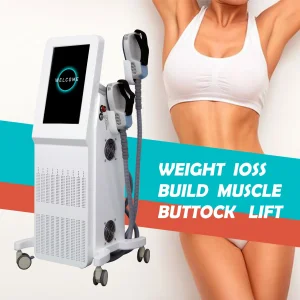
Explore our premium grade laser, cooling, and body contouring innovations engineered for medical spas, skin clinics, and retail distributors worldwide.
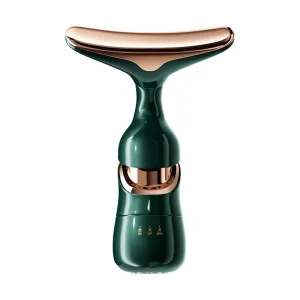
The global demand for non-invasive cosmetic procedures has witnessed an unprecedented rise, with laser tattoo removal emerging as a primary pillar of medical-aesthetic practices. Driven by shifting social demographics, changes in corporate dress standards, and technological progress, the industry has transitioned from rudimentary photothermal models to highly sophisticated photo-acoustic laser architectures. According to market intelligence reports, the global tattoo removal market is projected to reach several billion dollars by 2030, maintaining a stable Compound Annual Growth Rate (CAGR) of over 9.6%.
At the center of this industrial shift lies the development of Q-Switched Nd:YAG (Neodymium-doped Yttrium Aluminum Garnet) and picosecond laser technologies. Early generation lasers relied heavily on continuous wave emissions or long pulse widths that generated excessive heat. This often resulted in thermal damage to the surrounding skin tissue, leading to scarring and permanent hypopigmentation. Modern clinical protocols require lasers that emit high-peak energy within nanoseconds or picoseconds. By keeping the pulse duration shorter than the thermal relaxation time of the ink pigments, clinics can achieve "selective photothermolysis" or "photomechanical shattering," breaking down target ink particles while leaving the surrounding epidermis completely unharmed.
China has solidified its position as the global manufacturing hub for advanced medical aesthetic equipment. Specifically, Shenzhen, the technology center where Shenzhen Rudiz Beauty Co., Ltd. is headquartered, represents the ideal concentration of laser optics engineering, micro-electronics manufacturing, and industrial design expertise. By housing all stages of production—from the precision cultivation of Nd:YAG crystal rods to the design of high-frequency power supplies and advanced water cooling units—within a localized geographic area, Shenzhen manufacturers achieve unparalleled efficiencies in production timelines, custom engineering, and cost-effectiveness.
This geographic consolidation allows factory R&D teams to rapidly prototype new skin-cooling systems and energy modulation boards. For international buyers, distributors, and laser clinic operators, sourcing directly from a vertically integrated Shenzhen manufacturer translates into shorter production cycles (often reduced by 40% compared to Western competitors), lower overall unit costs, and the capability to customize technical parameters. This includes tailoring features like beam shapes, pulse durations, and GUI languages, without compromising on international safety and regulatory standards.
Delivering consistent laser energy to shatter complex pigments requires a combination of optical engineering, robust power distribution, and active safety systems.
Effective pigment targets require specific wavelengths. 1064nm targets deep black and dark blue pigments. 532nm targets red, orange, and warm tones. Specialized 755nm and 585nm handpieces address stubborn green and light blue inks by hitting their precise absorption peaks.
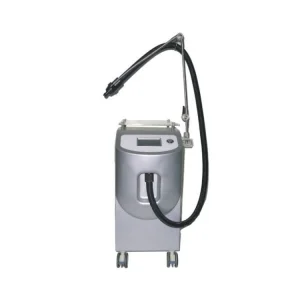
To ensure patient comfort and prevent epidermal thermal injury during laser emission, our devices integrate with high-capacity TEC (Thermoelectric Cooling) or external cold air skin systems, keeping localized treatment temperatures at a controlled, comfortable state.
By shortening pulse widths down to picoseconds (one-trillionth of a second), we achieve high-intensity photo-acoustic shockwaves. This mechanical action shatters ink particles into microscopic dust, allowing the lymphatic system to clear them easily.
Shenzhen Rudiz Beauty Co., Ltd. is a professional beauty device manufacturer specializing in smart skincare technology, anti-aging beauty equipment, and advanced aesthetic solutions for global beauty brands, distributors, retailers, and professional skincare businesses. Established in 2014, the company is located in Shenzhen, China, a leading center for innovation, electronics manufacturing, and international trade.
With a modern production facility covering more than 10,000 square meters and a team of over 200 skilled employees, Rudiz Beauty integrates industrial design, research and development, manufacturing, quality control, and global sales into a complete production system. The company continuously invests in advanced beauty technologies and product innovation to meet the growing demand for safe, effective, and user-friendly skincare solutions.
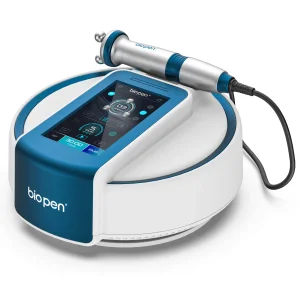
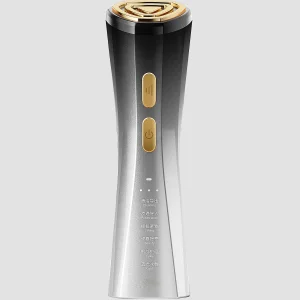
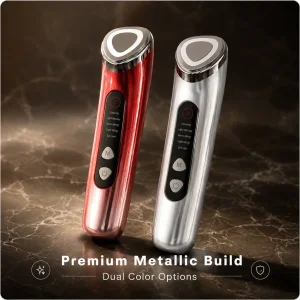
Rudiz Beauty offers a comprehensive range of beauty devices, including facial care devices, skin rejuvenation equipment, anti-aging systems, LED light therapy devices, microcurrent beauty devices, radio frequency skincare equipment, skin tightening solutions, eye care devices, and multifunctional beauty tools for both home and professional use. Products are developed with a focus on performance, safety, ergonomic design, and ease of operation.
As an experienced OEM and ODM manufacturing partner, the company provides customized product development, industrial design support, private labeling, packaging solutions, and flexible production services tailored to customer requirements. Its products are exported to North America, Europe, Southeast Asia, the Middle East, Australia, and other international markets. Committed to quality, innovation, and long-term partnerships, Shenzhen Rudiz Beauty Co., Ltd. strives to deliver reliable beauty technology solutions that help customers expand their product portfolios and strengthen their competitiveness in the global beauty and personal care industry.
A visual tour of our production facility, showcasing assembly lines, dust-free calibration environments, and rigorous quality testing chambers.
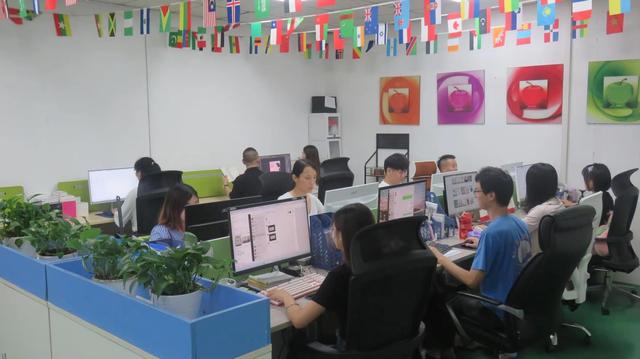
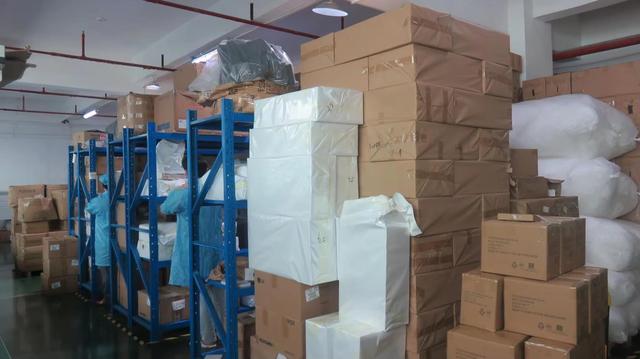
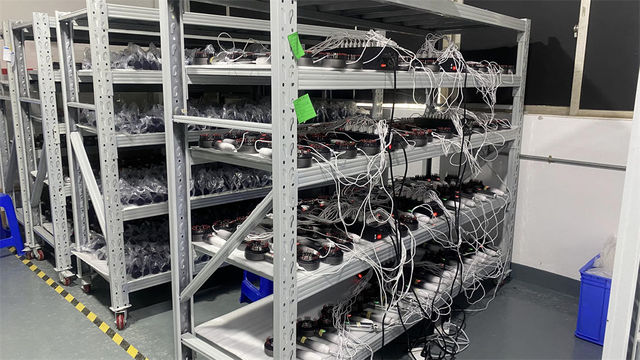
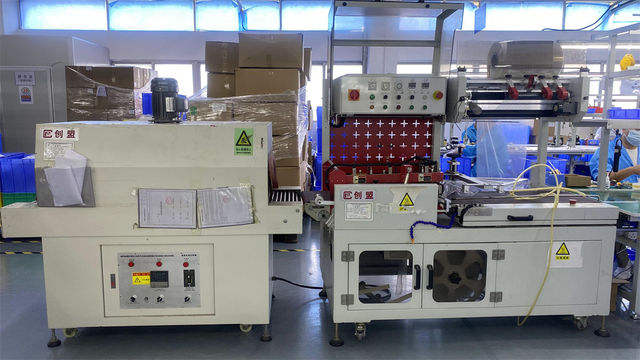
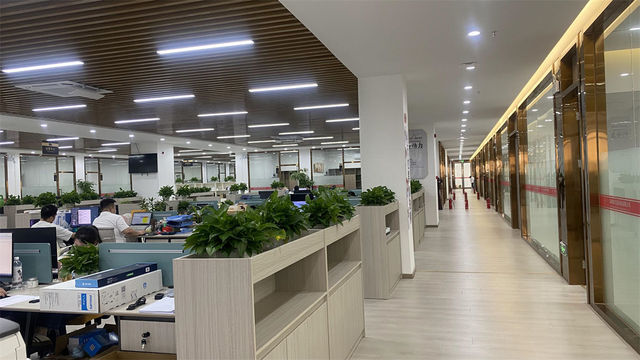
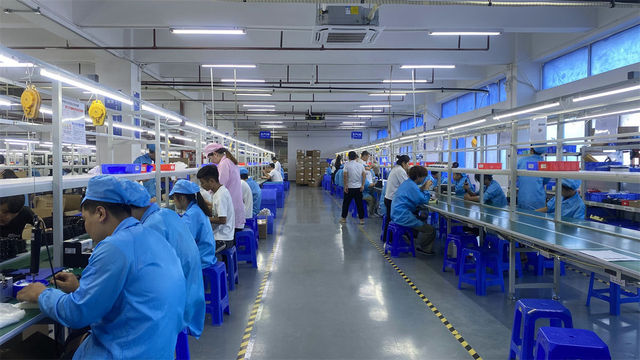
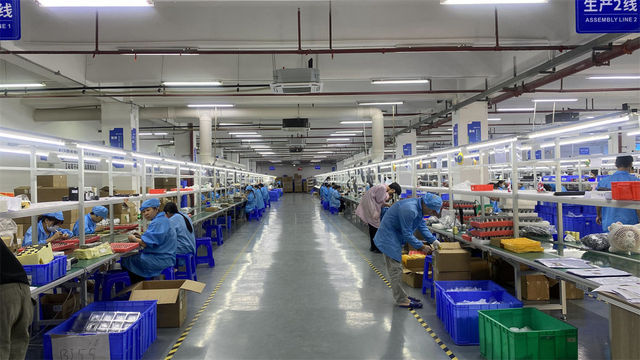
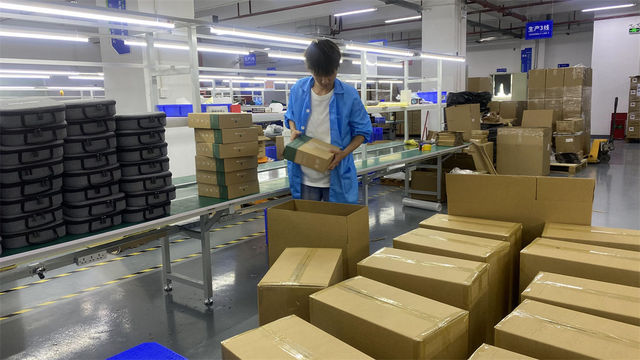
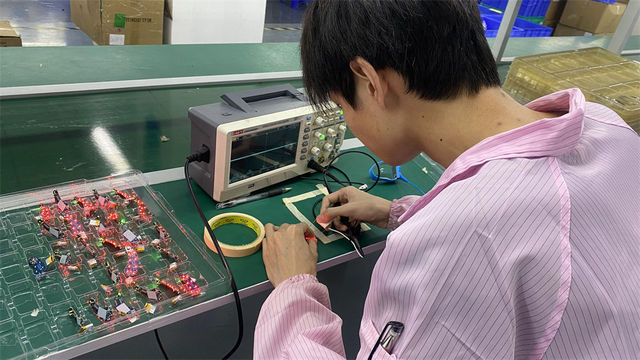
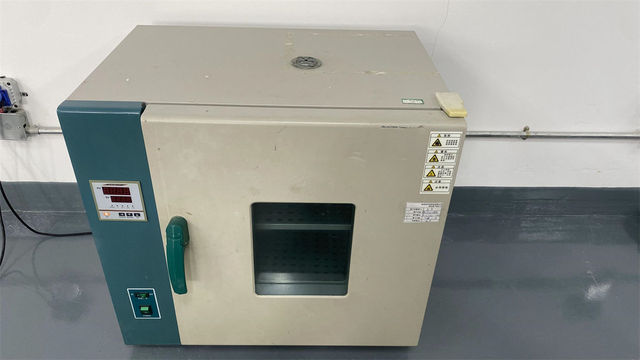
When purchasing professional-grade aesthetic laser equipment, B2B buyers must evaluate several critical technical criteria. These steps are essential to ensure long-term equipment reliability, clinical safety, and a solid return on investment (ROI). Below is a guide to selecting and validating wholesale manufacturers of aesthetic lasers:
The clinical efficacy of a tattoo removal system depends on its pulse stability. Lower-quality laser systems often experience significant energy drops (energy decay) over extended use. This drop reduces treatment efficacy and can cause issues like uneven spots or thermal burns. Buyers should request energy output certifications, photodiode-based energy test logs, and check the quality of optical components. This includes identifying the manufacturer of the YAG crystal rods and the internal flashlamp's lifespan (typically ranging from 1,000,000 to 3,000,000 flashes).
Laser power systems generate substantial heat during operation. A high-quality device requires a well-engineered cooling system—combining water cooling, radiator fans, and thermoelectric cooling (TEC). If cooling is insufficient, the system's thermal sensors will trigger frequent automatic shut-offs. This delays clinical schedules and shortens the laser cavity's operating life. Ensure your manufacturer utilizes heavy-duty water pumps (flow rate > 6L/min) and custom copper or aluminum radiators.
Exporting high-energy aesthetic medical systems requires strict adherence to international safety standards. Working with a manufacturer that possesses CE, RoHS, and ISO 13485 medical device quality management system certifications is crucial. Additionally, ensure the devices feature active safety measures, such as internal self-diagnostic software, water flow interlock sensors, temperature alarms, and emergency shut-off switches.
For distributors looking to establish local brand presence, having customized chassis designs, custom software GUIs, and unique outer enclosures is highly valuable. Your supplier should offer structured OEM/ODM services backed by experienced mechanical and software engineers. Furthermore, establish a clear after-sales support program that includes replacement optical handpieces, protective eyewear, power modules, and comprehensive clinical training materials.
Get professional, engineering-backed answers to the most common technical and regulatory questions regarding wholesale tattoo removal machinery.
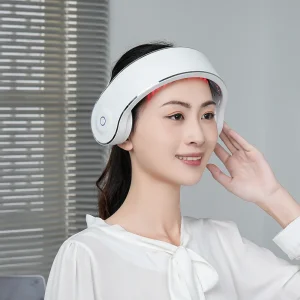
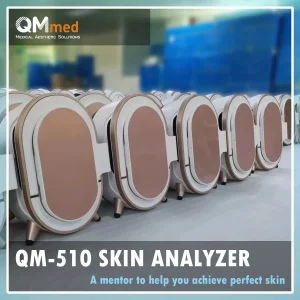
Review the remainder of our advanced technology portfolio, spanning non-invasive skin assessment systems, hair growth therapy, and wellness monitoring devices.
 Rudiz Beauty