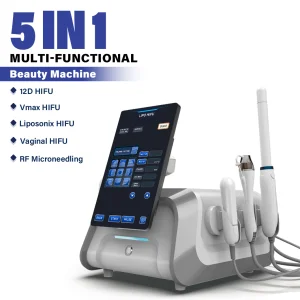
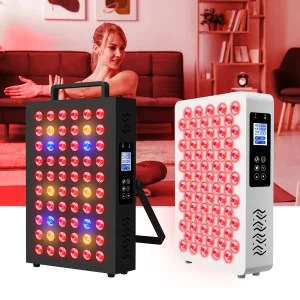
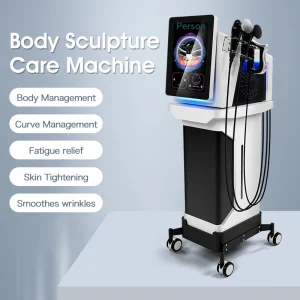
Direct supply channel from Shenzhen to Bangladesh: Showcasing certified medical-grade beauty devices engineered for high clinical efficacy and localized salon performance.
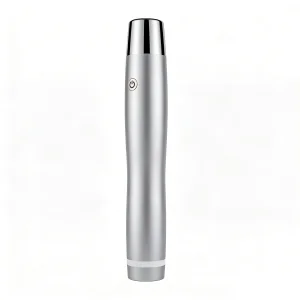
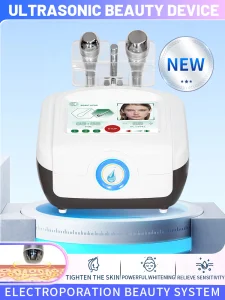
An inside look at how Bangladesh's secondary metropolis is transforming into a dominant B2B hub for advanced wellness, dermatology, and skincare device procurement.
Chittagong is experiencing rapid economic growth, creating a robust upper-middle class in residential zones like Khulshi, Panchlaish, and Nasirabad. This demographic shift has catalyzed an unprecedented demand for non-surgical cosmetic interventions, anti-aging therapies, and high-tech skincare regimens.
The number of specialized laser centers and anti-aging aesthetic clinics in Chittagong’s commercial nodes (e.g., GEC Circle, Agrabad Commercial Area) is rising. Clinic administrators are aggressively upgrading from basic topical treatments to clinical-grade SMAS desktop lifting systems and multi-frequency sonophoresis devices.
As the premier maritime gateway of Bangladesh, Chittagong Port manages over 90% of the country’s import-export operations. This local logistics framework simplifies ocean freight shipping from major Chinese electronics and medical device manufacturing centers like Shenzhen, bypassing costly transshipment delays.
Historically, the Bangladeshi beauty and wellness sectors operated via domestic middlemen in Dhaka. However, Chittagong-based wellness entrepreneurs, clinics, and wholesale distributors are now establishing direct partnerships with original equipment manufacturers (OEMs). Direct procurement ensures that medical technology matches regional standards, reduces unit cost by 30-40%, and guarantees that machines are customized to withstand the humid coastal climate of the Bay of Bengal, which often degrades standard consumer-grade electronics.
By leveraging Shenzhen-based advanced manufacturing, Chittagong distributors can import custom-branded machines with CE, RoHS, and ISO certifications. This aligns with guidelines set by the Directorate General of Drug Administration (DGDA) in Bangladesh, ensuring long-term operational viability.
Analyzing key advancements in deep-tissue lifting, high-frequency energy delivery, and photobiomodulation systems dominating the international aesthetic market.
| Technology System | Core Operating Mechanism | Target Skin Layers | Clinical Applications & Benefits |
|---|---|---|---|
| High-Intensity Focused Ultrasound (HIFU) | Translates ultrasound waves into thermal focal points, generating temperatures of 60-70°C. | SMAS (Superficial Musculoaponeurotic System), deep dermis. | Non-invasive face lifting, submental tightening, and deep tissue restructuring. |
| High-Frequency Sonophoresis (10MHz) | Emits high-frequency sound waves that alter lipid cell structures to increase skin permeability. | Epidermis and upper dermis. | Accelerates topical product absorption, facilitates skin whitening, and manages active acne. |
| Photobiomodulation (LED Light Therapy) | Uses specific wavelengths (e.g., 630nm red, 830nm near-infrared, 460nm blue) to modulate cell activity. | Epidermal and dermal layers depending on wavelength. | Stimulates collagen generation, controls sebum secretion, and accelerates post-laser healing. |
| Radio Frequency (RF) & Plasma | Generates localized thermal reactions using high-frequency electromagnetic currents. | Reticular dermis and subdermal fatty tissue. | Skin tightening, dermal remodeling, and micro-peeling skin texture enhancement. |
The aesthetic device market is moving away from large, immobile consoles to more compact, high-efficiency desktop and portable solutions. This shift allows clinic operators to maximize treatment room efficiency and offer flexible, mobile-aesthetic services. Additionally, professional-grade home-use devices (such as LED silicone face masks and handheld ultrasound massagers) act as high-margin retail offerings for clinics, helping patients maintain treatment results.
Monotherapy machines are increasingly being replaced by multi-functional units. Modern clinical equipment integrates ultrasound, radio frequency, light therapy, and skin cooling technologies into a single system. This multi-modality approach enables practitioners to offer multi-step treatments within a single session, leading to higher client satisfaction and increased revenue per room.
How our advanced industrial park in Shenzhen, China, guarantees quality control, production speed, and logistics integration for distributors in Chittagong.
Founded in 2014, Shenzhen Rudiz Beauty Co., Ltd. has established a comprehensive manufacturing ecosystem in Shenzhen, the global hub for electronics design and trade. Our team integrates industrial design, electronic engineering, software development, and quality assurance under one facility.
We offer full-service OEM and ODM cooperation, allowing Chittagong aesthetic distributors, dermatology clinic chains, and beauty device wholesalers to build customized product lines. We handle everything from molding and PCB assembly to localized firmware translation and custom packaging.
By bypassing intermediaries and sourcing directly from our Shenzhen facility, importers gain access to advanced supply chain infrastructure, helping them stay competitive in the rapidly evolving South Asian beauty market.
Specialized systems engineered for dermatology clinics, high-end spas, and wellness centers in the Chittagong Division.
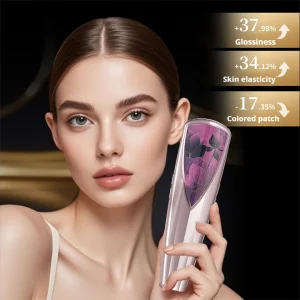
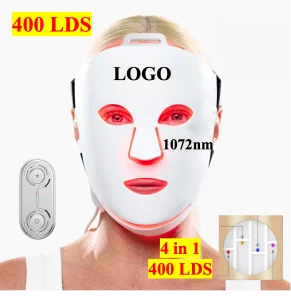

Aesthetic devices must be calibrated differently depending on regional skin concerns, ambient weather conditions, and cultural practices.
The tropical, humid climate of Chittagong exposes skin to high levels of UV radiation throughout the year, which can lead to issues like melasma, sun damage, and post-inflammatory hyperpigmentation (PIH). Traditional resurfacing lasers present post-treatment PIH risks for individuals with Fitzpatrick skin types IV, V, and VI.
To address this safely, local clinics utilize non-thermal, non-invasive ultrasound therapies. Multi-frequency sonophoresis (such as our 10MHz systems) assists in skin-whitening by helping active topical agents bypass the skin barrier without causing thermal damage, offering a safer alternative for patient care.
High humidity and environmental pollutants in coastal industrial hubs like Chittagong often contribute to increased sebum secretion, clogged pores, and acne flare-ups.
Clinics use blue light phototherapy (460nm) alongside high-frequency ultrasound to address this. This combination helps clear acne-causing bacteria and reduce inflammation, while ultrasonic waves improve cellular metabolism and promote natural skin repair.
"Customizing energy thresholds and wavelength distributions specifically for South Asian skin phenotypes ensures superior treatment efficacy while minimizing adverse reactions."
Addressing the common questions raised by Bangladeshi clinical importers, regulatory compliance officers, and medical device distributors.
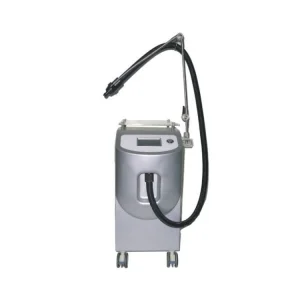
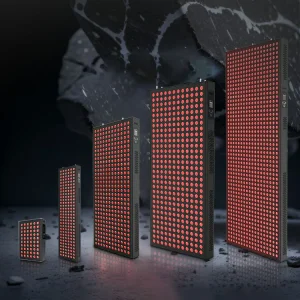
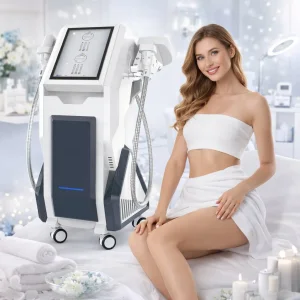
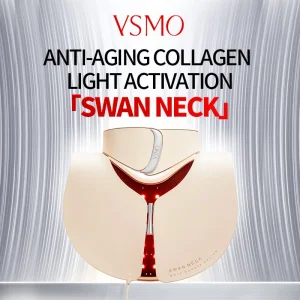
A comprehensive overview of our standard hardware offerings, available for volume importing with private labeling and custom branding options.
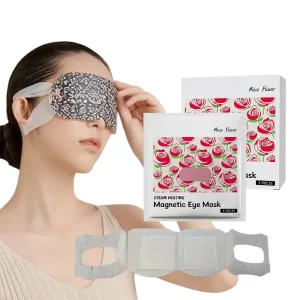
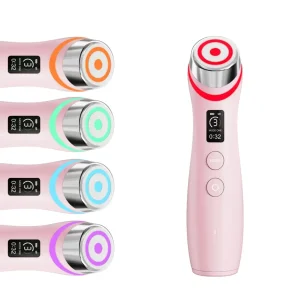
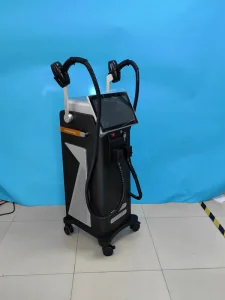
A look inside Shenzhen Rudiz Beauty Co., Ltd.'s production center, showcasing the assembly lines, quality assurance protocols, and cleanrooms.
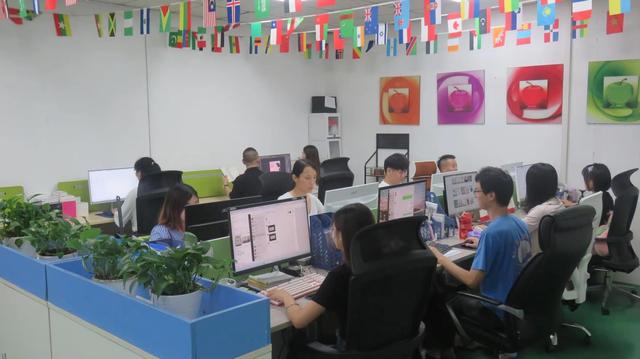
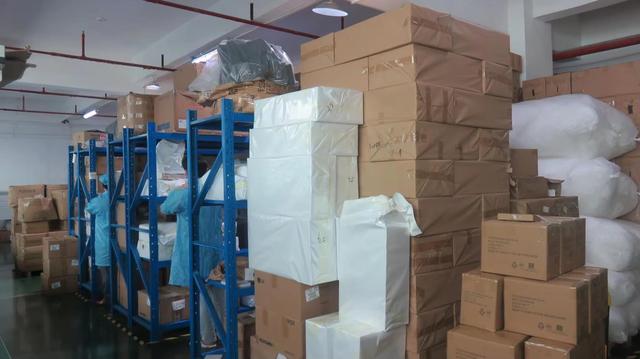
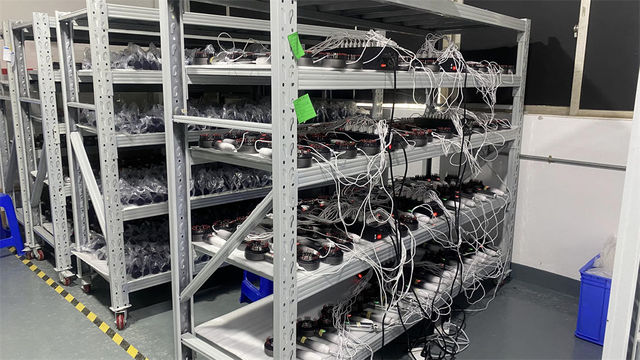
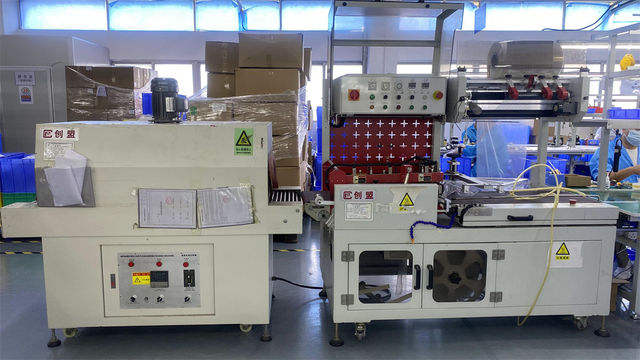
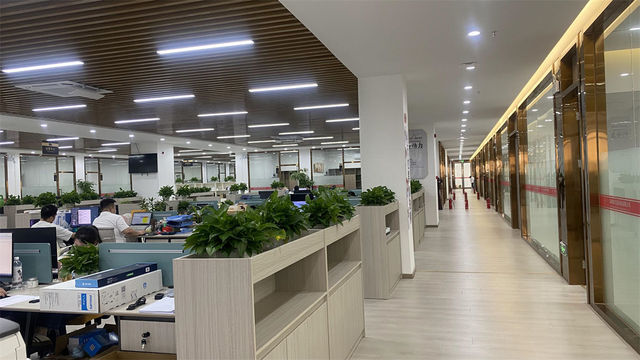
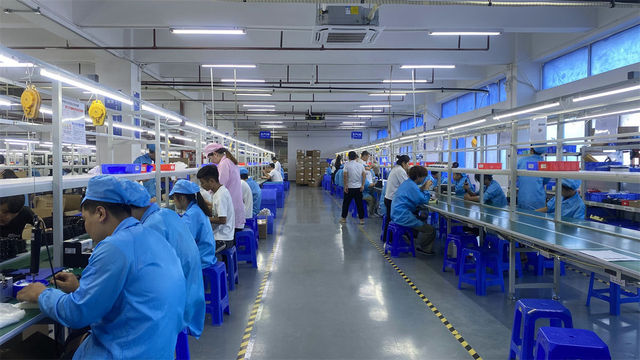


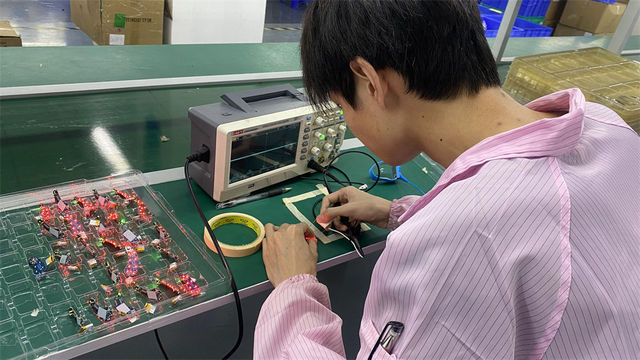
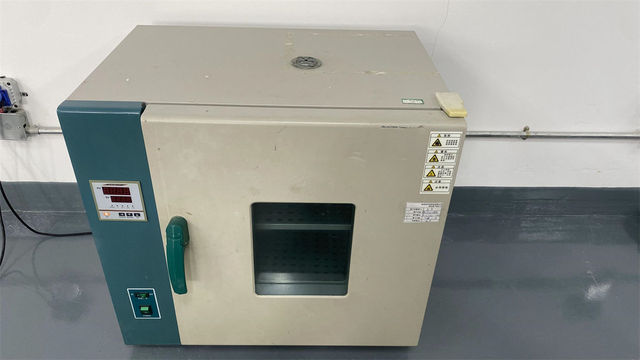
Our facility integrates industrial design, manufacturing, and global sales. We continuously upgrade our processes to supply reliable, effective beauty technologies, helping distributors and beauty brands expand their product portfolios.
 Rudiz Beauty