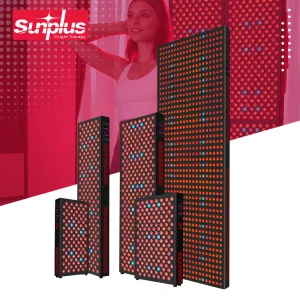
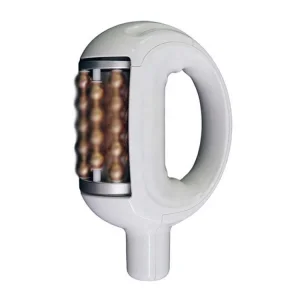
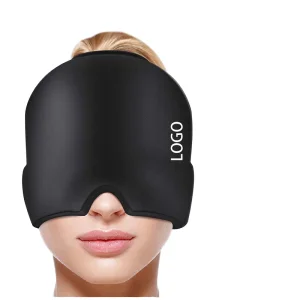
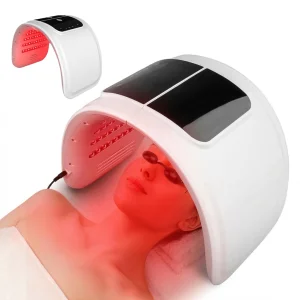
Top-tier non-invasive thermal systems optimized for dermal remodeling, photoaging repair, and clinical-grade skin tightening.
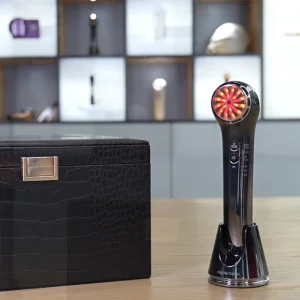
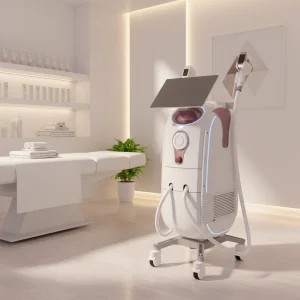
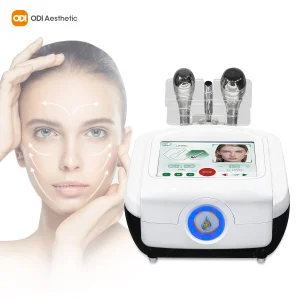
A comprehensive examination of geopolitical demographics, solar irradiation challenges, and non-surgical aesthetic growth vectors.
The Namibian aesthetic and dermatological market operates under unique environmental conditions that directly influence client demand and treatment efficacy. Characterized by high altitude (with Windhoek situated at an average elevation of 1,655 meters above sea level) and boasting over 300 sunny days annually, the region experiences exceptionally high levels of ultraviolet (UV) solar radiation. Dermal layers exposed to this level of solar energy undergo accelerated photoaging, manifesting as solar elastosis, profound collagen depletion, deep-set wrinkles, and epidermally protective hyperpigmentation (specifically post-inflammatory hyperpigmentation, or PIH).
For Namibian skin health professionals, the treatment of dermal laxity and photoaging is complex. Invasive surgical interventions present prolonged healing times and high risks of hyperpigmentation in darker Fitzpatrick skin types (III-VI), which represent a significant segment of the local population. Consequently, the Namibian medical aesthetic sector is shifting rapidly toward non-surgical, non-ablative energy-based devices (EBDs). High-Intensity Focused Ultrasound (HIFU), Monopolar Radiofrequency (RF), and BroadBand Light (BBL) / Near-Infrared (NIR) therapies have become the preferred methods. These technologies target the deep reticular dermis and the superficial muscular aponeurotic system (SMAS) without disrupting the outer epidermal layers, minimizing post-treatment complications and downtime.
Globally, the market for skin tightening and body contouring devices is projected to grow at a Compound Annual Growth Rate (CAGR) of 11.2% through 2030, driven by the demand for immediate results with minimal downtime. For Namibian distributors, salon owners, and medical practitioners, securing a direct import channel from primary manufacturers is essential. Historically, Namibian clinics relied on secondary distributors in South Africa, which added customs markups, transport delays across the border, and complex technical service agreements.
By establishing direct sourcing from manufacturing centers in Shenzhen, China—a global hub for optoelectronic and aesthetic device engineering—Namibian medical aesthetic businesses can significantly lower their capital expenditure (CAPEX) while accessing identical CE and ISO-certified technological platforms. High-power systems, such as 3000W BBL NIR devices and multi-frequency electroporation platforms, can now be imported directly via the Port of Walvis Bay or airfreight into Hosea Kutako International Airport. This optimization of the supply chain enables local clinics to achieve return-on-investment (ROI) cycles 30-40% faster than those relying on traditional regional middlemen.
Clinical data indicates that individuals residing in high-altitude, semi-arid regions like central Namibia present signs of dermal structural aging 5 to 7 years earlier than cohorts in lower-UV zones. The degradation of type I collagen occurs via UV-induced up-regulation of Matrix Metalloproteinases (MMPs). Traditional chemical peeling or micro-needling can be risky in these conditions. Non-invasive skin tightening devices operate by generating precise thermal zones (55°C - 65°C) in the deep dermis, stimulating heat shock proteins (HSP47 and HSP70) and triggering neocollagenesis while leaving the epidermis intact and cool.
Effective treatment design must account for the local dry climate and solar conditions in Namibia. Below are three clinical application protocols developed for domestic aesthetic practices:
Target Zone: Namib Coast & Inland Desert regions.
Methodology: Combining multi-frequency ultrasound electroporation with low-frequency microcurrents. This process infuses hyaluronic acid and antioxidants deep into the dermis to counteract dryness, followed by muscle-toning microcurrents to lift facial contours without generating excess thermal stress.
Target Zone: Windhoek and central highland areas.
Methodology: Broadband Light (BBL) paired with Near-Infrared (NIR) light therapy. This dual-action treatment targets melanin deposits and solar lentigines in the epidermal layers while stimulating deep fibroblast activity to rebuild damaged collagen networks.
Target Zone: Nationwide clinics serving sensitive skin types.
Methodology: Non-thermal, fractional cold nitrogen plasma application. This technology causes sublimation of the epidermal tissue and contracts the skin surface without heat, offering a safe option for clients prone to post-inflammatory hyperpigmentation.
The technology behind skin tightening continues to evolve, moving from high-downtime ablative procedures to smart, energy-controlled treatments. The table below outlines the development phases of non-invasive aesthetic modalities:
| Technology Generation | Active Modality | Primary Physiological Mechanism | Downtime & Clinical Risk Profile | Suitability for Namibia's High-UV Climate |
|---|---|---|---|---|
| Gen 1 (Ablative) | CO2 & Er:YAG Fractional Lasers | Epidermal vaporisation & thermal injury to papillary dermis. | High (7-14 days); elevated risk of PIH and scarring. | Low (demands strict post-treatment sun avoidance). |
| Gen 2 (Thermal RF) | Monopolar & Bipolar Radiofrequency | Volumetric heating of the deep dermis to denature collagen. | Minimal (1-2 days); risk of localized thermal burns. | Medium-High (safe for all skin tones, requires thermal monitoring). |
| Gen 3 (Focused Acoustic) | HIFU (High-Intensity Focused Ultrasound) | Micro-thermal coagulation zones at the SMAS layer (4.5mm). | Zero downtime; minor deep tissue tenderness. | High (bypasses melanin completely, no UV interaction). |
| Gen 4 (Smart Multi-Platform) | AI Skin Analysis + NIR + Cold Nitrogen Plasma | Real-time impedance sensing, targeted photothermal energy. | Zero downtime; improves epidermal barrier and thickness. | Excellent (customized protocols based on real-time skin hydration). |
A comprehensive range of aesthetic equipment, from AI-driven 3D skin analyzers to targeted phototherapy and body contouring systems.
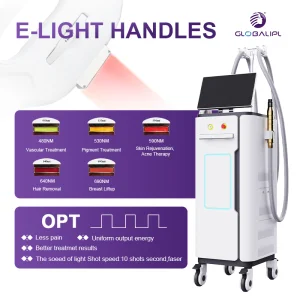
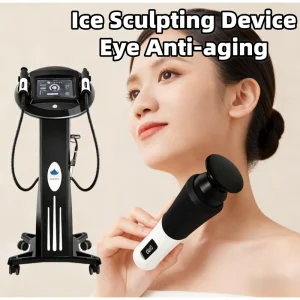
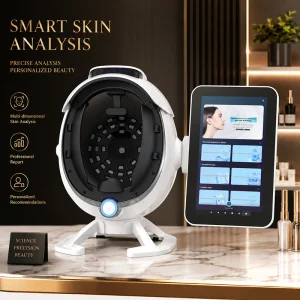
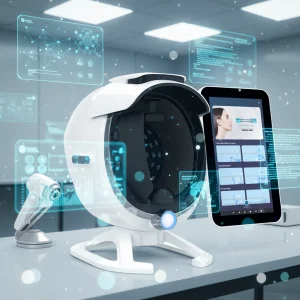
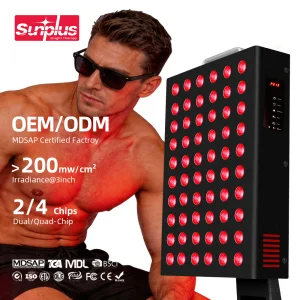
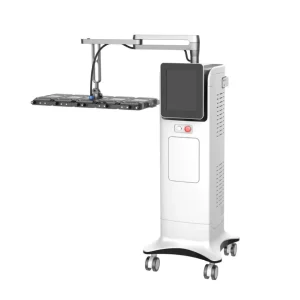
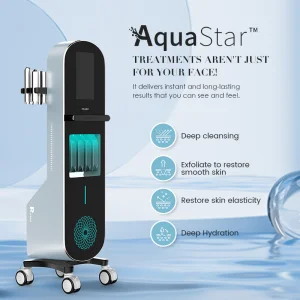
A trusted global manufacturer specializing in smart skincare technology, anti-aging beauty equipment, and advanced aesthetic solutions.
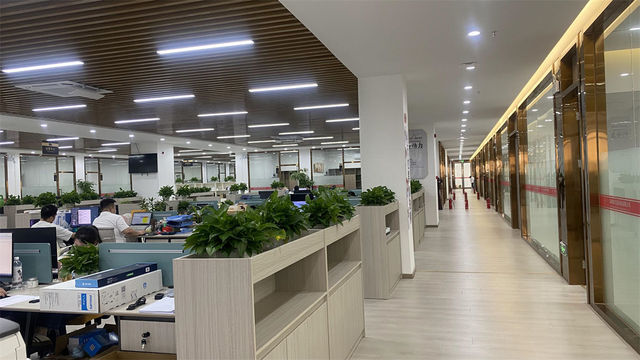
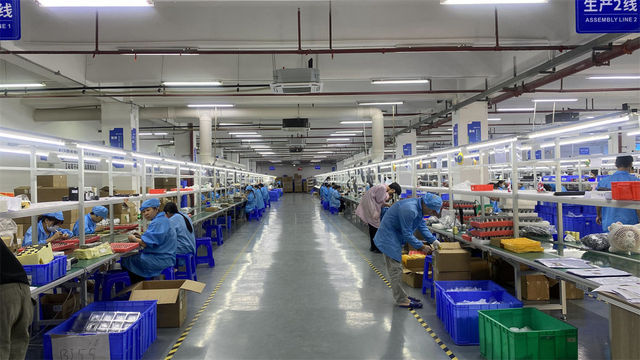
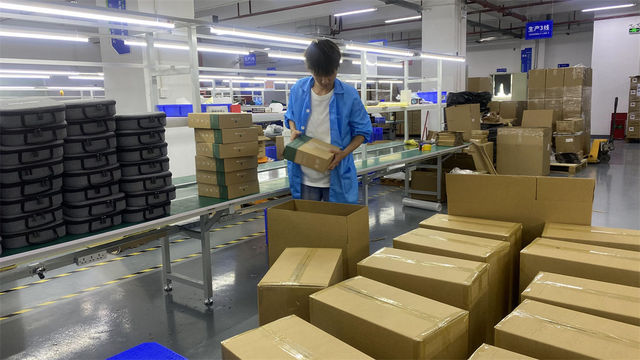
Established in 2014 in Shenzhen, China—a leading center for electronic innovation and international trade—Shenzhen Rudiz Beauty Co., Ltd. has grown into a major manufacturer of aesthetic and beauty technology. Our facility covers more than 10,000 square meters and houses a team of over 200 skilled employees, integrating industrial design, R&D, manufacturing, quality control, and global logistics under a single ISO13485-compliant system.
We provide beauty technologies for both home and professional use, including facial care platforms, skin rejuvenation systems, anti-aging equipment, LED light therapy panels, microcurrent devices, radio frequency (RF) units, and multifunctional beauty tools. As an experienced OEM and ODM partner, we support domestic brands, international distributors, and medical spas in Namibia with custom housing colors, software interfaces, private labeling, packaging solutions, and flexible production runs.
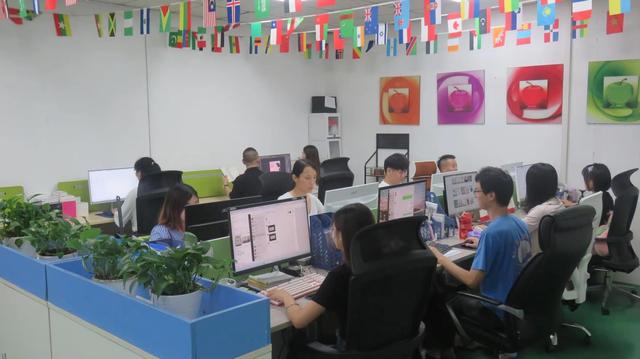
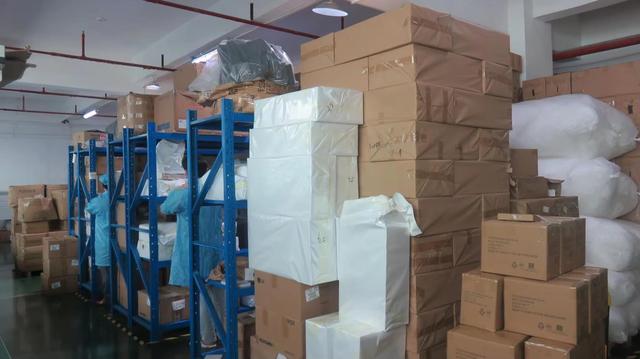
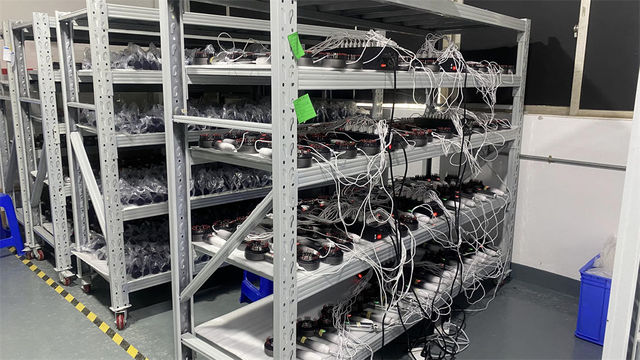
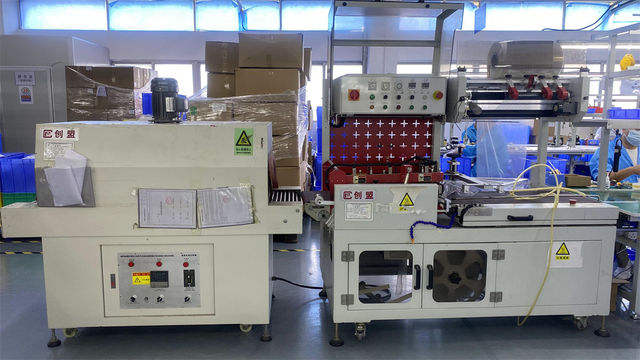
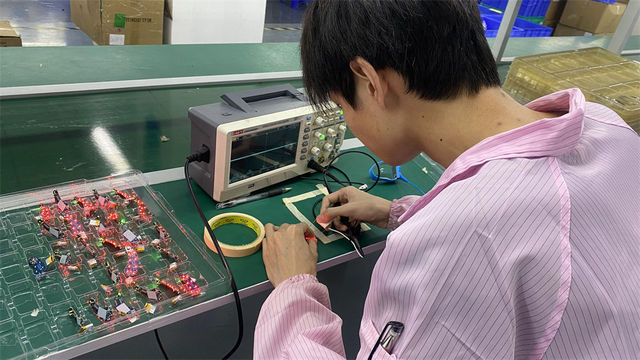
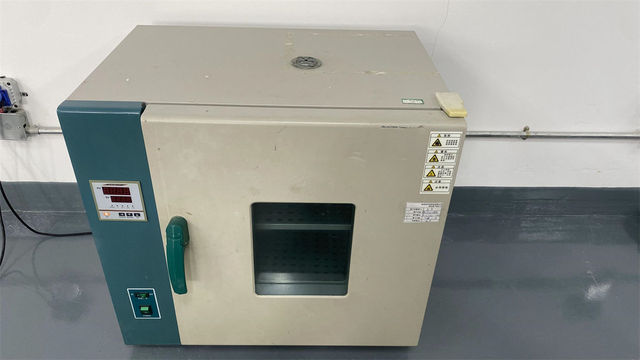
Our quality control processes ensure that every machine undergoes 48-hour continuous load testing and spectrum calibration before packaging. This reliability minimizes maintenance needs for remote clinics in Namibia, where access to specialized technical service can be limited. Our products are engineered with stable power transformers compatible with Sub-Saharan electrical grids, offering consistent performance under varying voltage conditions.
Essential guidance on importing, electricity compatibility, logistics, and training for clinic operators and distributors in Namibia.
A: Aesthetic equipment imported into Namibia is subject to standard SACU (Southern African Customs Union) import procedures. Direct imports are cleared via the Port of Walvis Bay or through Hosea Kutako International Airport in Windhoek. We supply all necessary B2B export documentation—including HS codes (typically 901890 or 854370 for electro-physical and optoelectronic medical equipment), commercial invoices, packing lists, certificate of origin, and CE/RoHS compliance declarations. Working with a registered Namibian clearing agent facilitates smooth clearance through NamRA (Namibia Revenue Agency).
A: Yes. Namibia operates on a 220V/240V AC electrical system at 50Hz. We configure all exported machines with industrial-grade internal transformers rated for 220V-240V tolerance (+/- 10%) to handle local grid variations. During production, we install Type M or Type D power plugs (the standard three-pin configurations in Namibia and South Africa) upon request, ensuring safety and compliance without requiring adapters.
A: For remote locations, we offer a comprehensive technical and clinical support system:
1. Clinical Training: High-definition video instruction, detailed treatment manuals, and live video sessions with clinical trainers covering energy settings, safety protocols, and client selection.
2. Technical Service: Modular internal designs make maintenance straightforward. If a component experiences issues, we ship replacement parts (e.g., power supplies, control boards, or handpieces) via DHL/FedEx, accompanied by step-by-step video instructions for installation.
A: Devices that bypass epidermal melanin absorption are the safest options. Multi-frequency ultrasound systems, monopolar/bipolar radiofrequency (RF) platforms, and microcurrent devices generate deep dermal heat or muscle stimulation without targeting pigment. Near-Infrared (NIR) light therapy also offers safe dermal heating for darker skin types. For IPL or Laser treatments, we build our systems with advanced cooling heads and adjustable pulse-width settings to protect the epidermis from thermal damage.
A: Standard production times for OEM/ODM orders range from 7 to 15 business days, depending on customization requirements. Shipping by air cargo to Windhoek typically takes 7 to 10 days, while sea freight to the Port of Walvis Bay takes approximately 30 to 40 days. We recommend air cargo for smaller, high-value shipments to get systems operational quickly, and sea freight for larger container orders of treatment furniture or multi-platform consoles.
Optimize your clinical capabilities and expand your product margins. Connect directly with our engineering and sales team for customized OEM/ODM aesthetic solutions.
 Rudiz Beauty