Advanced non-invasive technologies designed to combat skin laxity and signs of aging, specifically optimized for Southeast Asian skin typologies.
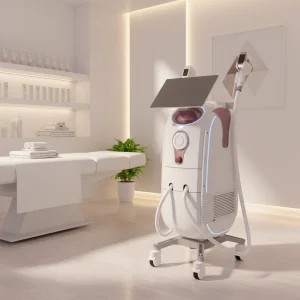
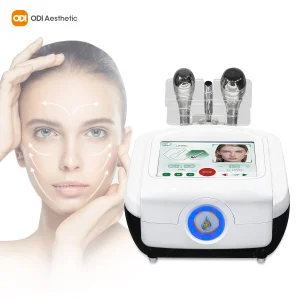
The cosmetic and medical aesthetics landscape in Southeast Asia is experiencing a paradigm shift, with Thailand leading the region as the undisputed capital of wellness, beauty tourism, and clinical intervention. Within this dynamic sector, non-invasive skin tightening and anti-aging treatments have emerged as the fastest-growing segment. As consumer preferences shift away from invasive surgical facelifts toward zero-downtime, energy-based device (EBD) procedures, the demand for high-performance, clinical-grade skin tightening devices in Thailand has surged. Clinic chains across Bangkok, Phuket, and Chiang Mai are aggressively expanding their portfolios to integrate technologies that cater to localized dermal requirements.
Thailand’s aesthetics market is characterized by a sophisticated demographic that demands immediate, visible results. According to recent healthcare economic reports, Thailand constitutes over 35% of the total medical aesthetic market value in Southeast Asia. This is driven not only by domestic demand—sparked by a rising middle class, an aging population, and deep cultural valuation of youthful skin—but also by a robust international medical tourism pipeline. International patients traveling to Thailand seek top-tier aesthetic procedures at competitive price points. Consequently, local clinics require reliable, medical-grade skin tightening hardware that delivers high clinical efficacy, minimizing patient risk while optimizing operational throughput.
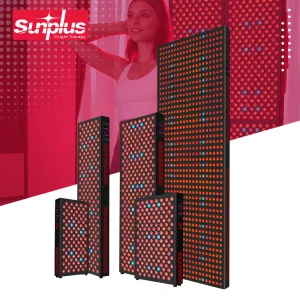
Furthermore, the tropical climate in Thailand plays a critical role in local dermatological needs. High UV exposure, heat-induced hyperpigmentation risks, and oily skin tendencies mean that skin tightening procedures must be highly controlled to prevent post-inflammatory hyperpigmentation (PIH), a common side effect of poorly calibrated energy-based systems on Fitzpatric Skin Types IV and V, which are highly prevalent in the Thai population. As a result, safe technologies such as Near-Infrared (NIR) light therapy, localized Microcurrent systems, and triple-frequency ultrasound are highly sought after by local medical practitioners.
To successfully navigate the Thailand market, aesthetic operators and medical distributors must align their product portfolios with current and upcoming technological trajectories. The modern technical roadmap for skin tightening devices focuses on multi-depth targeting, combining epidermal rejuvenation with deep dermal collagen denaturation and SMAS (Superficial Muscular Aponeurotic System) remodeling.
By offering customized technology combinations, OEM partners like Shenzhen Rudiz Beauty Co., Ltd. enable Thai aesthetic brands to customize hardware specifications (e.g., custom wavelengths, ergonomic handpiece design, and localized software interfaces in the Thai language) to stand out in a highly competitive clinic environment.
Developing high-tech aesthetic equipment requires a mature industrial ecosystem capable of rapid iteration, rigorous quality control, and component standardization. Based in Shenzhen, China's premier electronic and medical-tech hub, Shenzhen Rudiz Beauty Co., Ltd. leverages a highly integrated supply chain to offer unmatched advantages to Thai importers. With a modern 10,000-square-meter facility and over 200 skilled operators, Rudiz Beauty bridges the gap between advanced industrial design and cost-efficient mass production.
Our supply chain ecosystem offers significant structural benefits: first, access to top-tier semiconductor lasers, high-frequency radio generators, and AI processing boards directly from localized component ecosystems; second, strict adherence to international quality management systems including ISO 13485, CE certification, and RoHS. By handling everything from PCB assembly, structural modeling, cosmetic casing, and software engineering in-house, we reduce product cycle times from design to market by 40% compared to Western manufacturers. This agility allows Thai distributors to respond quickly to seasonal market shifts and micro-trends.
Enhancing clinical diagnostic accuracy and non-invasive energy output to deliver predictable aesthetic outcomes for regional skin types.
Entering the Thai marketplace with aesthetic devices requires navigate the regulatory frameworks overseen by the Thailand Food and Drug Administration (TFDA). Under the Medical Device Act, energy-based skin tightening devices, IPL lasers, and high-frequency machines are categorized under specific medical classes that dictate import licensing and clinical evaluation protocols. Partnering with Shenzhen Rudiz Beauty Co., Ltd. ensures that distributors receive a complete documentation pack, including Certificate of Free Sale (CFS), Declaration of Conformity, and technical product files constructed to align with ASEAN Common Submission Dossier Template (CSDT) standards.
Beyond regulatory filings, local aftermarket technical support is key to clinic operations. Down-time in a high-end Bangkok clinic translates directly to revenue loss. Rudiz Beauty offers comprehensive localized support guarantees, including online video training for technical staff, immediate spare parts dispatch, and customization of device software interfaces to include native Thai navigation. This dedication to post-sales operational security ensures that our clinical partners maintain uninterrupted treatment schedules, protecting their bottom line and maintaining consumer trust.
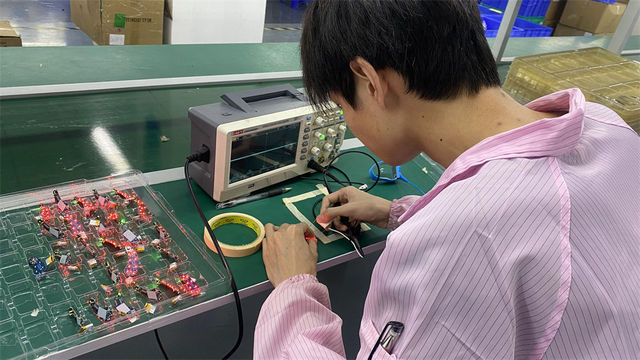
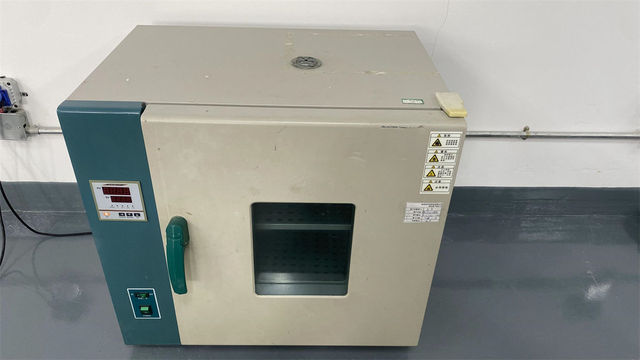
Quality and efficacy are built on precise engineering. Our manufacturing centers are organized to optimize precision assembly and comprehensive quality checks. Each unit undergoes 72 hours of uninterrupted electrical and thermal stress testing to prevent failures in the field. Our manufacturing space includes clean rooms dedicated to optical and sensor components, ensuring that precision devices like BBL and IPL filters remain particle-free.
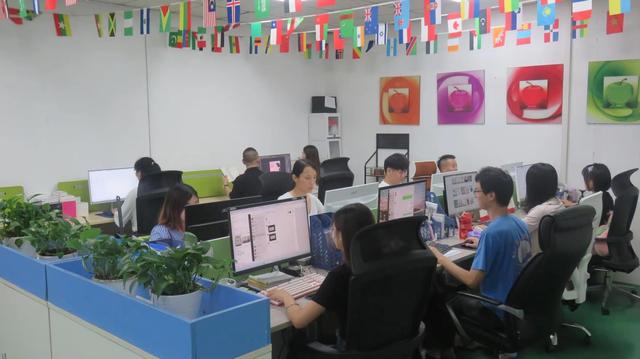
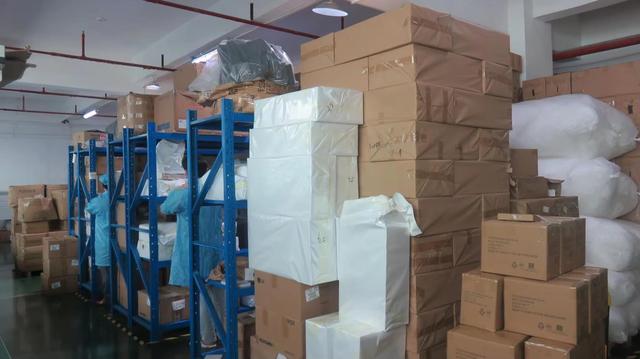
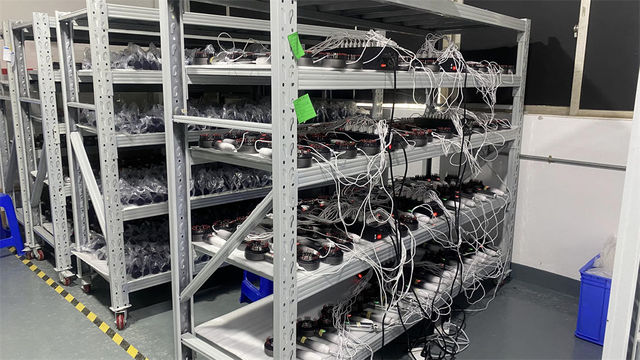
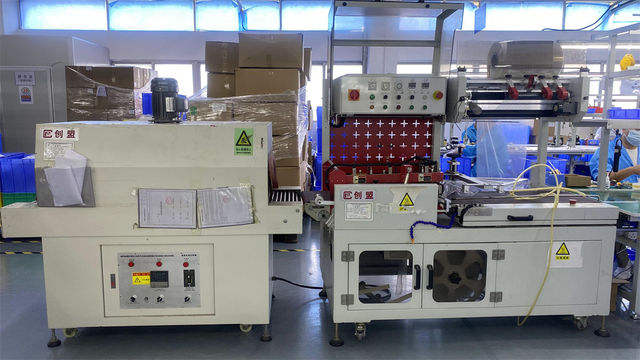
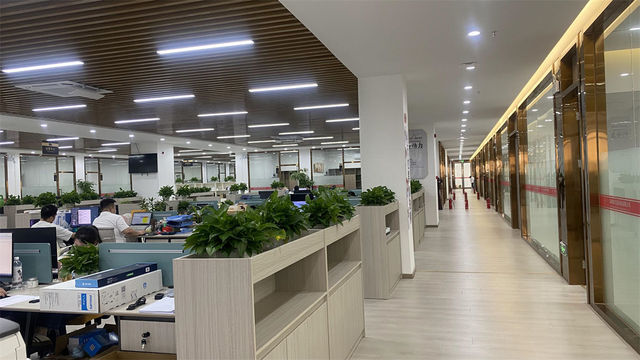
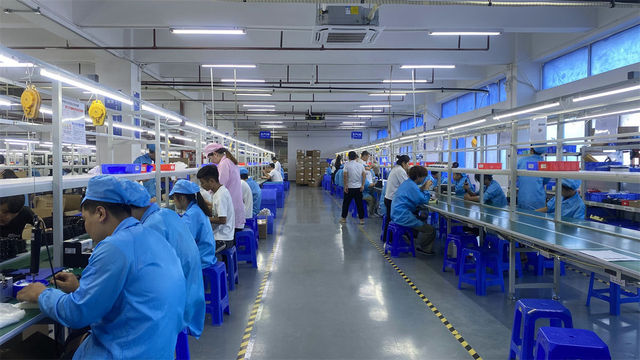
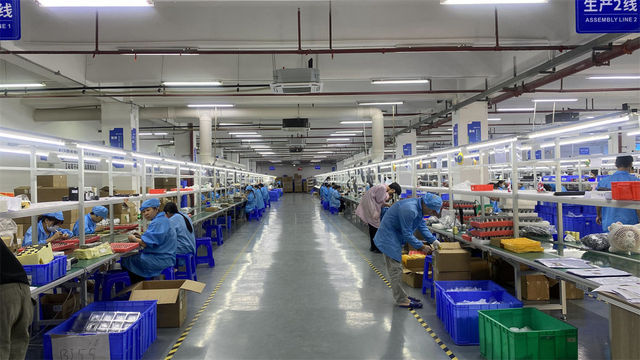
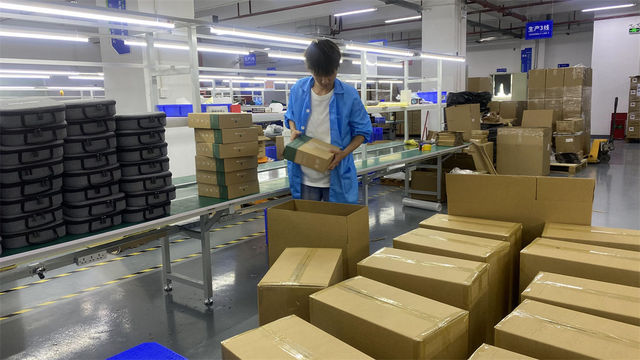
Through our dedicated R&D engineers, we continually refine product ergonomics, thermal energy dissipation, and skin contact cooling systems. This structural approach ensures our skin tightening equipment operates efficiently under high humidity and warm ambient temperatures characteristic of Thai wellness clinics.
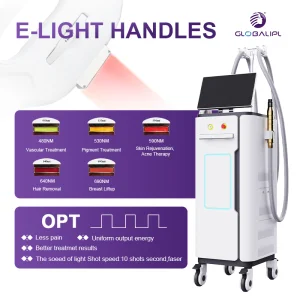
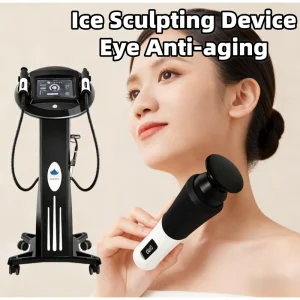
A comprehensive product range that addresses localized skin tightening, cell renewal, and facial lifting requirements.
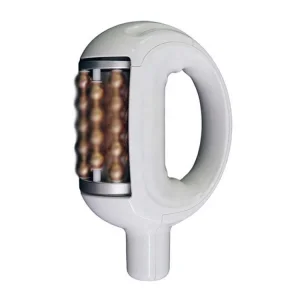
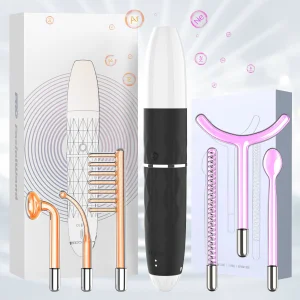
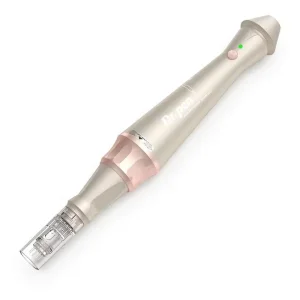
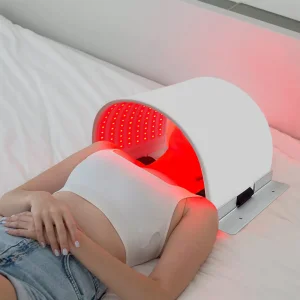
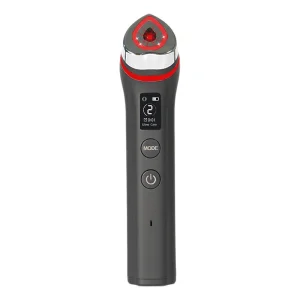
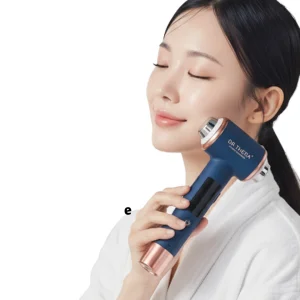
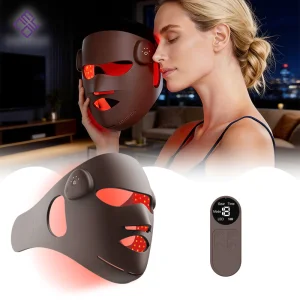
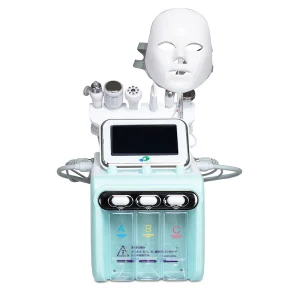
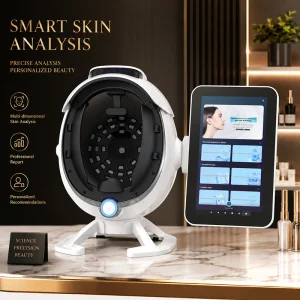
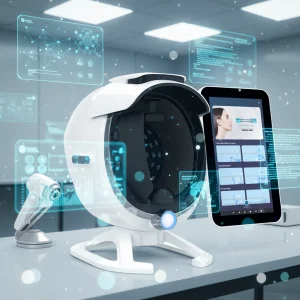
The future of skin tightening in Thailand lies in personalized, intelligent treatment modalities. The integration of diagnostic AI tools alongside therapy delivery mechanisms represents the next developmental threshold. For instance, smart 3D imaging systems will automatically assess real-time epidermal resistance to modulate RF energy outputs, eliminating the risk of overheating. In addition, multi-spectral light systems targeting micro-circulation parameters will enable physicians to improve local oxygenation profiles alongside collagen structural repair.
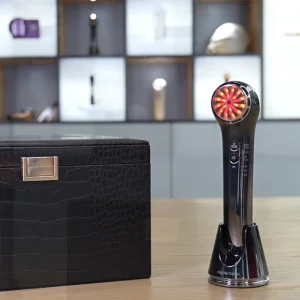
Simultaneously, home-use devices are evolving from basic vibration tools to localized microcurrent and targeted LED systems. Thai clients increasingly seek a hybrid approach: intensive clinical treatments at their aesthetic spa followed by structured maintenance regimes using medical-grade home devices. Shenzhen Rudiz Beauty is at the center of this transformation, providing a complete range of both clinical systems and matching home-use technologies to give our partners a robust competitive edge.
Key technical and business inquiries regarding skin tightening technology imports and performance parameters.
 Rudiz Beauty