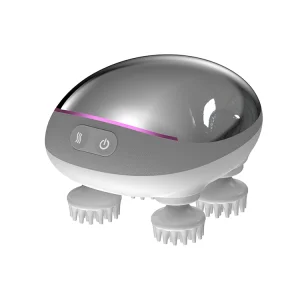
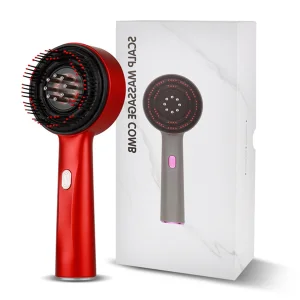
Advanced diagnostic systems, clinical cap configurations, and portable devices tailored to meet the strict standards of Singapore's professional aesthetic market.
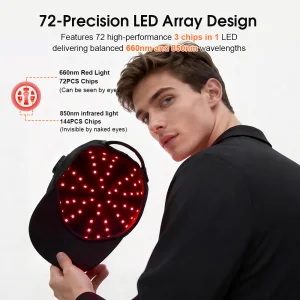
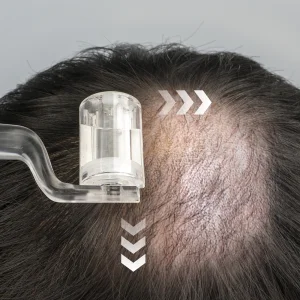
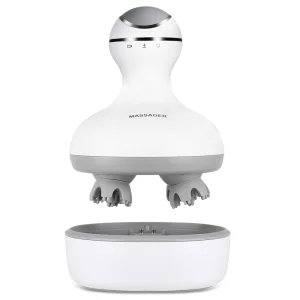
Analyzing demographic shifts, localized clinical expectations, technological standards, and regulatory landscapes for international B2B importers.
In recent years, Singapore has emerged as the premier hub for medical aesthetics and wellness in Southeast Asia. Characterized by high disposable income, an aging yet progressive population, and a tropical, high-humidity environment, the Singaporean consumer base demands sophisticated, scientifically validated personal care products. The scalp care industry, formerly restricted to traditional hair-wash salons, has transitioned rapidly toward trichology-driven, tech-enabled clinical treatments. As a result, the demand for importing state-of-the-art scalp care devices has risen exponentially.
Businesses operating in Singapore—ranging from aesthetic clinics in Orchard Road to specialized hair restoration spas in Tanjong Pagar—are actively modernizing their service catalogs with smart devices. These technologies include Low-Level Light Therapy (LLLT), microcurrent electroporation, and AI-enabled diagnostic scanners. To maintain profit margins while delivering high-efficacy results, Singaporean distributors and spa chains are partnering directly with high-capacity Chinese manufacturing centers, notably in Shenzhen, to secure consistent, medical-grade hardware.
Unlike standard global markets, Singapore's hot, humid climate acts as a major catalyst for scalp-related challenges. The combination of intense ambient moisture, high UV exposure, and constant indoor air-conditioning alters the scalp microbiome, leading to premature hair thinning, excessive sebum production, and traction alopecia. Consequently, businesses in Singapore apply scalp devices within several highly distinct therapeutic frameworks:
"The convergence of clinical efficacy and non-invasive convenience is driving the Singapore aesthetic market. Devices must not only perform safely but must visually demonstrate progress via AI analysis software to build consumer trust." — Senior Trichological Consultant, Singapore Wellness Alliance
The scalp care device sector is evolving from simple vibration tools to highly integrated, multi-functional therapeutic systems. Exporters looking to target Singapore must align their product development pipelines with these emerging technological paradigms:
Dual-spectrum phototherapy targeting mitochondrial activity combined with low-voltage electrical stimulation to open cellular pathways for follicle nutrition.
Integration of ultra-high-definition magnification cameras with cloud-based AI algorithms to track oil gland density, hair caliber, and follicular health over time.
Real-time scalp impedance monitoring paired with automated micro-dosing systems that adjust serum delivery based on moisture and sebum levels in real-time.
For Singaporean distributors and global aesthetic brands, sourcing from a competent, reliable manufacturing partner is essential. Shenzhen Rudiz Beauty Co., Ltd. stands as a premier example of industrial maturity, operating at the intersection of technological innovation and efficient supply chain logistics.
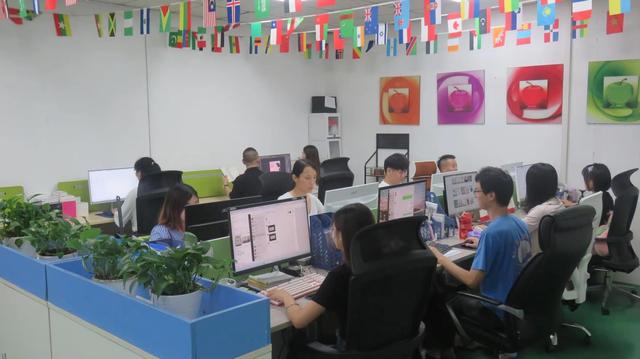
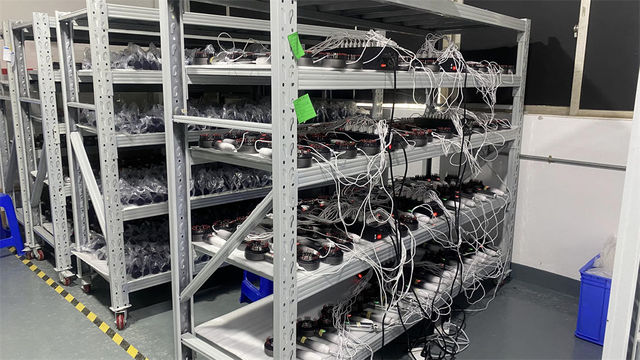
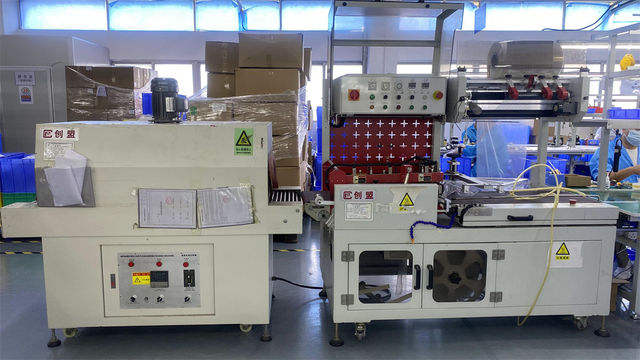
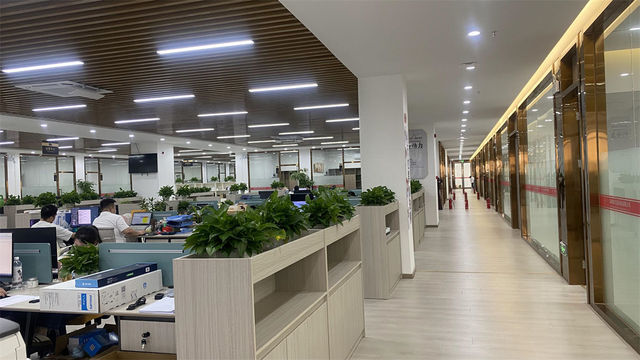
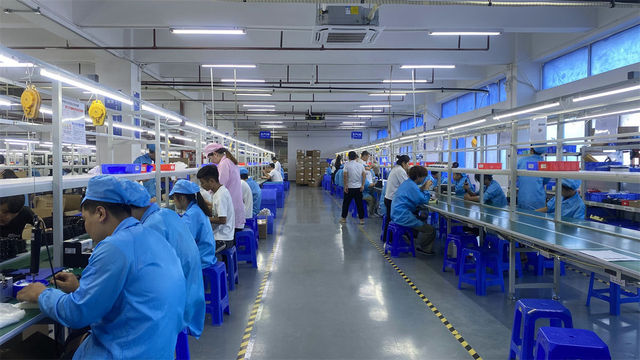
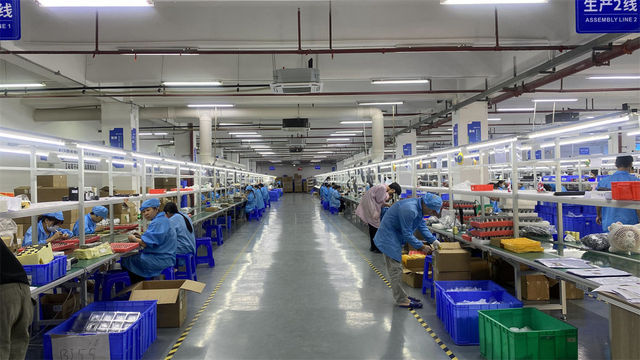
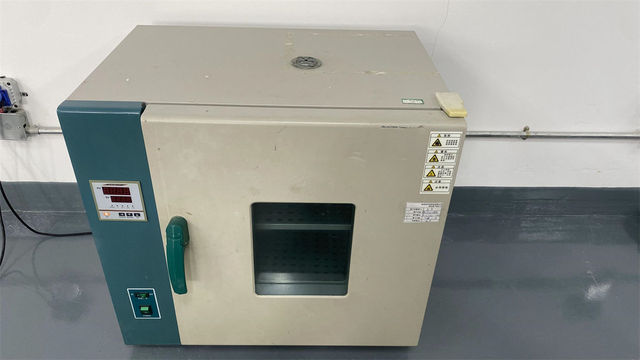
Established in 2014 and situated within Shenzhen, China's foremost electronics and medical device production epicenter, Rudiz Beauty boasts a modern production facility spanning over 10,000 square meters. The integration of full-stack industrial design, rapid prototyping, advanced electronics manufacturing, and rigorous multi-stage quality control ensures that every batch of scalp care devices meets stringent international quality benchmarks.
With an experienced R&D department and over 200 skilled operators, Rudiz Beauty offers unmatched OEM/ODM flexibility. Whether it is adjusting the LED wavelength configurations of a phototherapy cap, redesigning the ergonomic chassis of a handheld scalp massager, or developing bespoke AI diagnostic software interfaces, the company manages the entire lifecycle in-house. This centralized control minimizes communication delays, reduces time-to-market, and guarantees component traceability, shielding Singaporean importers from global supply chain disruptions.
Singapore represents more than just a destination market; it serves as a geographic and commercial gateway to the wider APAC region, including Indonesia, Malaysia, Thailand, and Vietnam. Distributors importing scalp devices into Singapore often utilize the city-state's free trade agreements and highly efficient ports to re-export products across Southeast Asia. Therefore, procuring devices that carry recognizable global certifications—such as CE, RoHS, FCC, and FDA compliance—is non-negotiable for local B2B importers.
Under the Health Sciences Authority (HSA) of Singapore, health and aesthetic devices are categorized based on their risk profiles. While consumer-grade scalp massage brushes are classified as general grooming tools, high-intensity LLLT caps, laser combs, and microcurrent diagnostic machinery require meticulous technical documentation. Partnering with a manufacturer like Shenzhen Rudiz Beauty assures compliance, as all products undergo standard CE, RoHS, and FCC validation protocols, simplifying the HSA registration process for Singaporean partners.
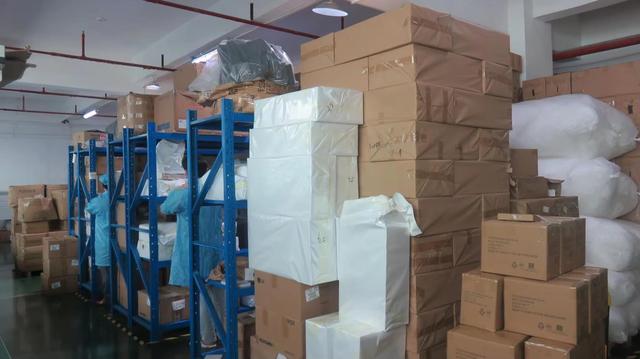
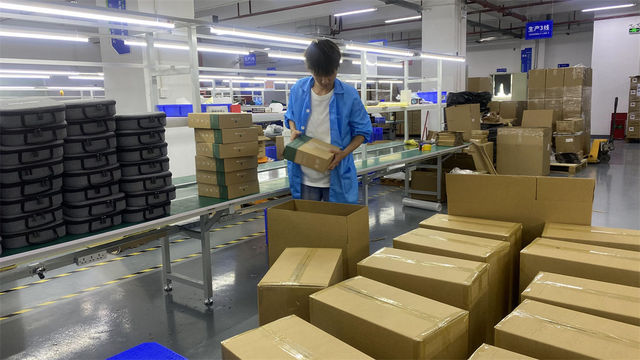
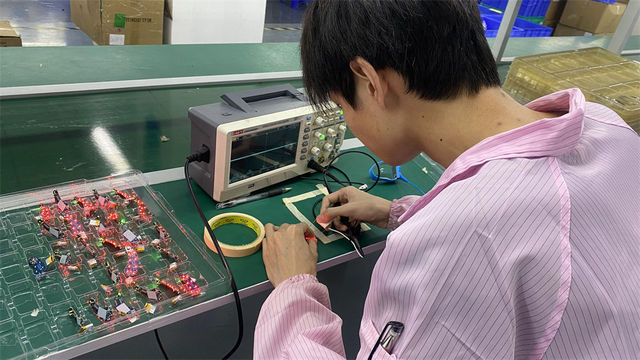
We provide door-to-door shipping solutions, custom clearance support, and complete technical manuals for Singaporean customs clearance, minimizing the administrative burden on our clients.
Get in touch with our B2B sales and technical engineering teams to receive customized catalogs, OEM/ODM quotes, and regulatory documentation files.
Send Inquiry NowCritical insights for procurement managers, distributors, and business owners looking to import scalp care technologies.
Explore our full range of therapeutic hair combs, portable liquid applicators, professional H2 systems, and high-precision scalp analyzer cameras.
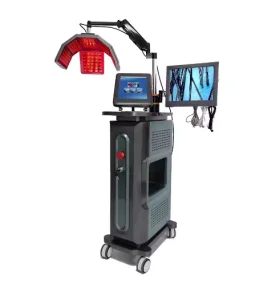
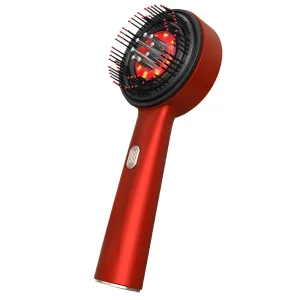
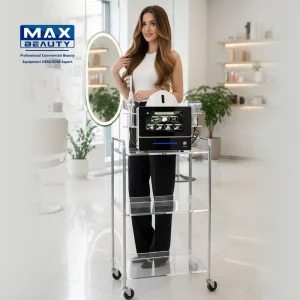
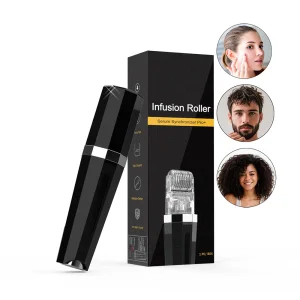
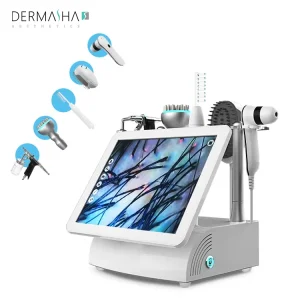
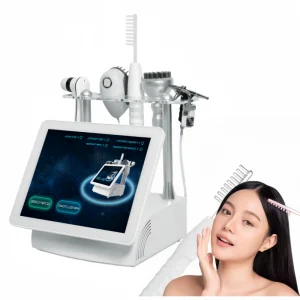
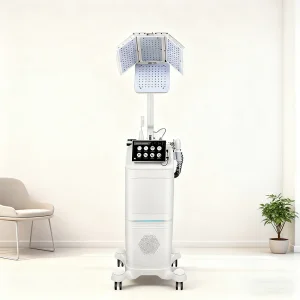
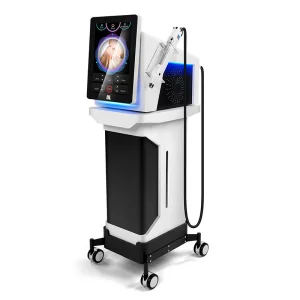
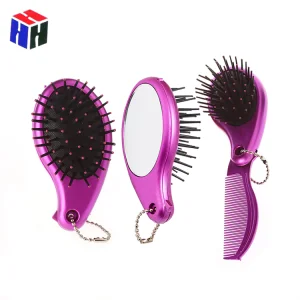
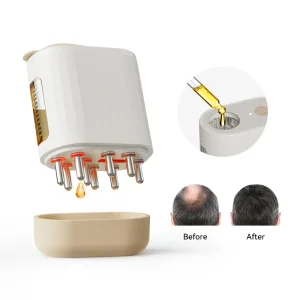
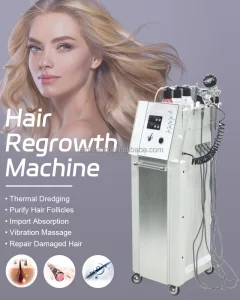
Maximize your ROI with medical-grade equipment, extensive warranty terms, and professional OEM/ODM branding services tailored for Singapore's premier hair clinics and aesthetic suppliers.
Send Inquiry Now Rudiz Beauty