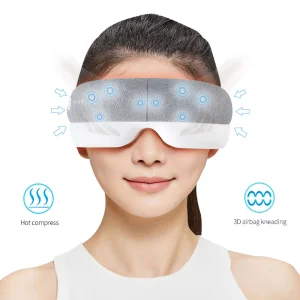
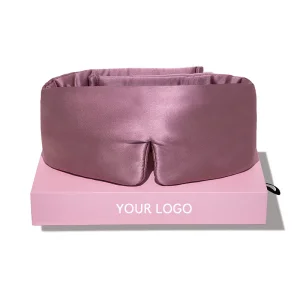
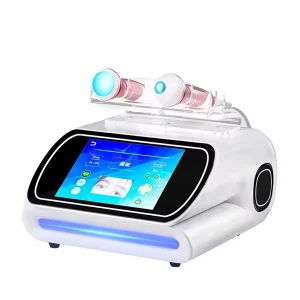
Discover our flagship periorbital therapy devices optimized for Japanese anti-aging standards, clinical-grade microcurrents, and thermal fatigue recovery.
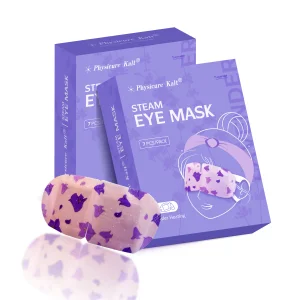
The Japanese personal care and wellness market is renowned for its highly demanding consumer base, rapid integration of smart micro-electronics, and strict physiological safety standards. As a global focal point for "J-Beauty", Japan represents a market where high-tech utility intersects with meticulous packaging aesthetics. In recent years, the market for eye care beauty devices (アイケア美顔器) has witnessed exponential expansion due to three major structural factors:
Japan's hyper-aging demographics drive immense organic demand for non-invasive, periorbital anti-aging and skin-tightening solutions.
High-density office culture and widespread digital device usage have made VDT (Visual Display Terminal) fatigue relief a national health priority.
The Japanese home beauty device sector continues to grow, transitioning from traditional facial rollers to specialized microcurrent and thermal systems.
Unlike Western markets, where aggressive anti-aging procedures are often favored, Japanese consumers prioritize continuous, non-invasive maintenance (予防美容). Eye care devices targeting fine lines (Chirimen-jiwa), under-eye bags, sagging skin (Tarumi), and dark circles are expected to deliver gentle yet deeply effective thermal, microcurrent, and optical therapeutic effects. Businesses importing into Japan must align their product offerings with these exact medical-aesthetic standards.
Entering the Japanese retail and professional beauty channels requires strict adherence to localized electrical, biological, and packaging regulations. At Shenzhen Rudiz Beauty Co., Ltd., we have spent years optimizing our manufacturing pipelines to ensure Japanese compliance out of the box:
Any electronic beauty device featuring a rechargeable lithium-ion battery or direct AC wall connection must comply with Japan's PSE (Product Safety Electrical Appliance & Material) law. Our factory matches Japanese test laboratory protocols, providing certified adapters, strict overcharge protection circuits, and flame-retardant casing materials.
To prevent classification as restricted medical devices under Japan's PMDA (Pharmaceuticals and Medical Devices Agency), we calibrate the energy output (RF frequencies, EMS currents, and LED wavelengths) to reside precisely in the safe, home-use cosmetic range while maximizing cellular stimulation.
Our QC processes align with Japanese industrial expectations:
While Japanese brands hold immense cultural authority, the vast majority of electronic beauty hardware is manufactured in Shenzhen, the global capital of hardware innovation. By collaborating with Shenzhen Rudiz Beauty Co., Ltd., Japanese brands leverage the unbeatable efficiency, agility, and scaling capacity of the Pearl River Delta ecosystem, paired with Japanese-grade Quality Control.
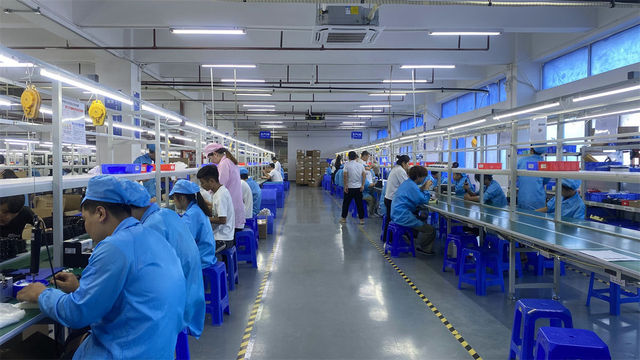
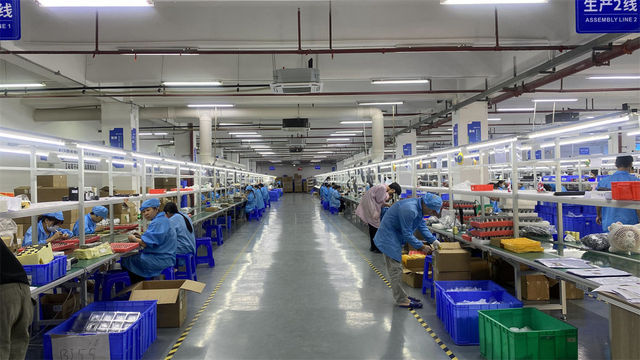
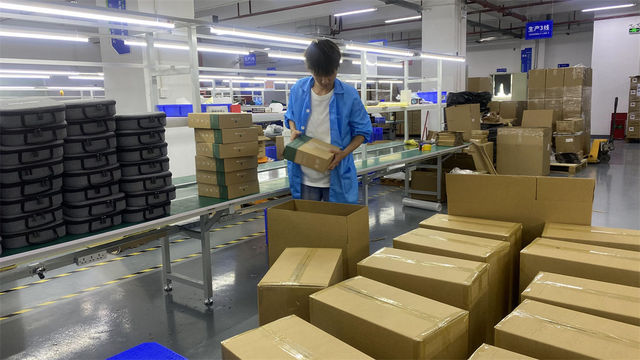
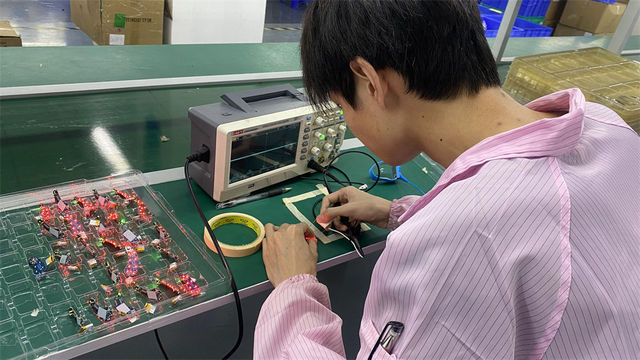
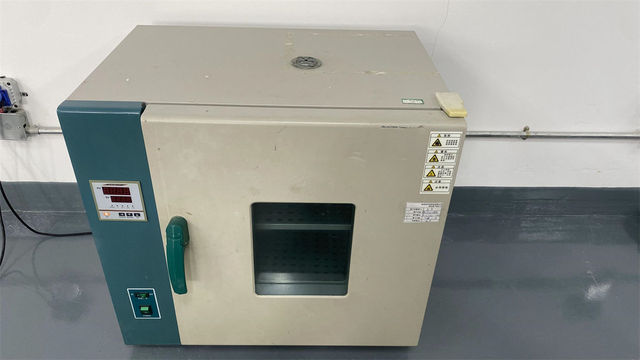
Equipped with advanced injection molding machines, cleanroom SMT assembly lines, and high-precision testing chambers designed to sustain large-scale global B2B procurement pipelines.
Our experienced R&D team can transform a concept sketch into a functional prototype within 25 days, helping Japanese brands capture rapidly changing consumer trends before competitors.
From Raw Material (IQC) to In-Process (IPQC) and Final Outgoing Quality Control (OQC), every batch undergoes thermal shock, drop testing, battery cycle life, and cosmetic blemish checks.
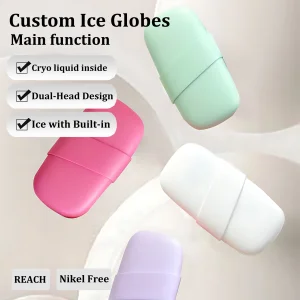
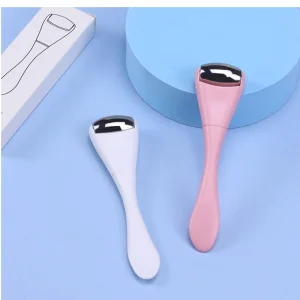
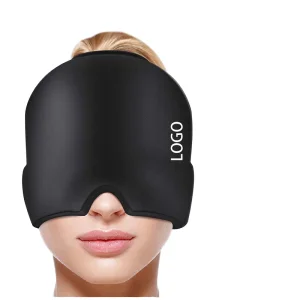
Expand your portfolio with custom-tailored applicators, physical cooling tools, and adjustable active-component delivery devices designed for Japanese wellness spas.
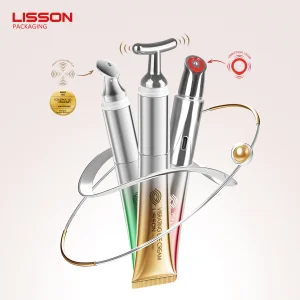
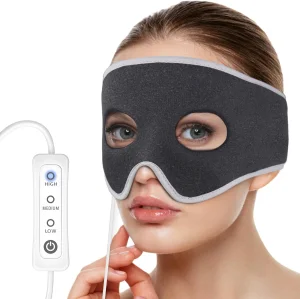
As the B2B aesthetic marketplace becomes increasingly globalized, international enterprises—spanning North America, the European Union, the Middle East, and Japan—are prioritizing highly specialized devices rather than generic multi-use platforms. Sourcing trends highlight a clear pivot toward targeted eye-zone treatment devices due to the delicate anatomy of the orbital region, which requires unique skin impedance levels and calibrated thermal outputs.
The future of periorbital skincare lies in synergizing physiological feedback with electronic frequency output. Key growth areas include:
Graphene Heating Elements: Providing instant, uniform far-infrared heat transfer to restore microcirculation, replacing sluggish wire-heating units.
Active Bio-Sensing: Auto-tuning electric output currents based on real-time epidermal resistance readings.
To achieve maximum market penetration in Japan, eye care devices must integrate seamlessly into the Japanese consumer's daily structure and specific micro-environments.
Japanese consumers deeply value relaxation in the bath. Waterproof structural designs (IPX6/IPX7) allow users to utilize vibrating microcurrent eye massage heads alongside sheet masks during warm bath sessions.
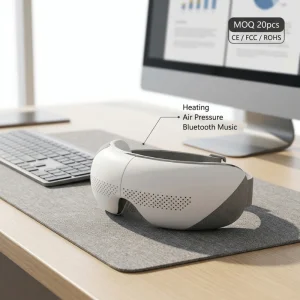
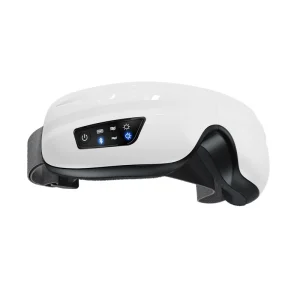
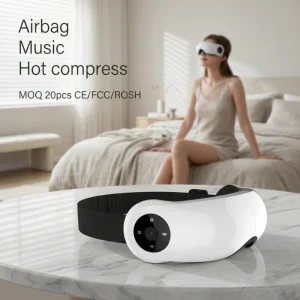
Modern corporate offices and commuter trains in Tokyo feature professionals suffering from intense eye strain. Foldable, silent pneumatic massagers with built-in Bluetooth audio provide private sensory isolation during lunch breaks.
Premium hot spring resorts (Onsen) and luxury aesthetic salons in Ginza use our heavy-duty heated massage devices to prep guests prior to advanced deep-skin facial therapies.
Shenzhen Rudiz Beauty Co., Ltd. is a professional beauty device manufacturer specializing in smart skincare technology, anti-aging beauty equipment, and advanced aesthetic solutions for global beauty brands, distributors, retailers, and professional skincare businesses. Established in 2014, the company is located in Shenzhen, China, a leading center for innovation, electronics manufacturing, and international trade.
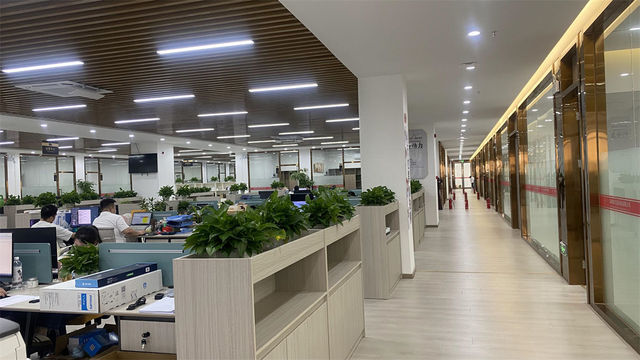
With a modern production facility covering more than 10,000 square meters and a team of over 200 skilled employees, Rudiz Beauty integrates industrial design, research and development, manufacturing, quality control, and global sales into a complete production system. The company continuously invests in advanced beauty technologies and product innovation to meet the growing demand for safe, effective, and user-friendly skincare solutions.
Rudiz Beauty offers a comprehensive range of beauty devices, including facial care devices, skin rejuvenation equipment, anti-aging systems, LED light therapy devices, microcurrent beauty devices, radio frequency skincare equipment, skin tightening solutions, eye care devices, and multifunctional beauty tools for both home and professional use. Products are developed with a focus on performance, safety, ergonomic design, and ease of operation.
As an experienced OEM and ODM manufacturing partner, the company provides customized product development, industrial design support, private labeling, packaging solutions, and flexible production services tailored to customer requirements. Its products are exported to North America, Europe, Southeast Asia, the Middle East, Australia, and other international markets.
Committed to quality, innovation, and long-term partnerships, Shenzhen Rudiz Beauty Co., Ltd. strives to deliver reliable beauty technology solutions that help customers expand their product portfolios and strengthen their competitiveness in the global beauty and personal care industry.
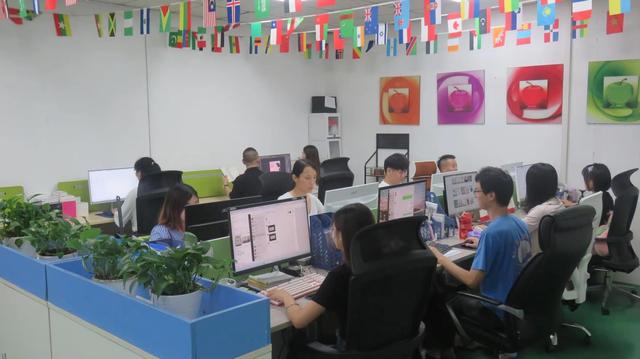

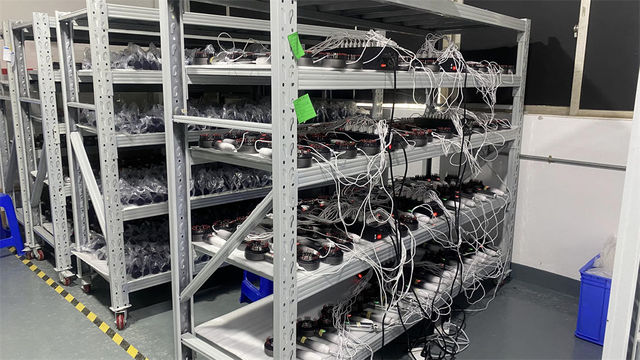
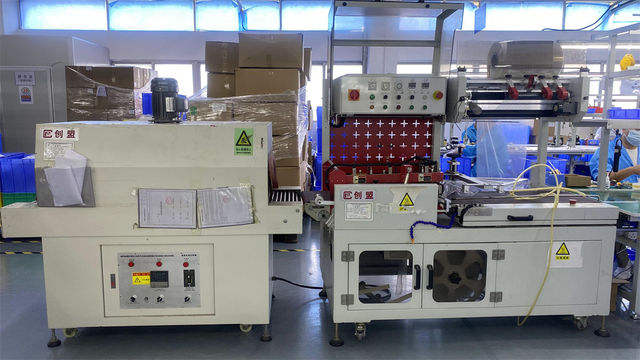
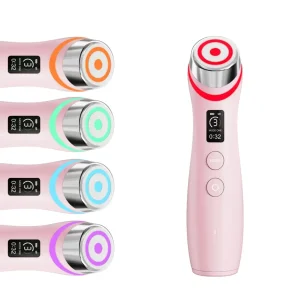
Expand your line with our fully certified, premium-grade eye-massage systems and optical technologies. All products are eligible for OEM/ODM private labeling.
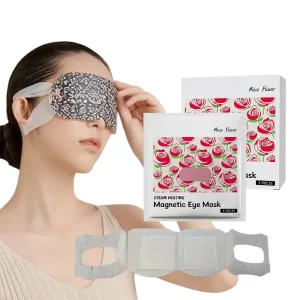
Key considerations for Japanese procurement managers, brand operators, and retail distributors regarding imports, technical capabilities, and compliance.
Secure your market share with a highly experienced B2B partner. Let us help you handle design, component sourcing, safety certifications, and quality control.
 Rudiz Beauty