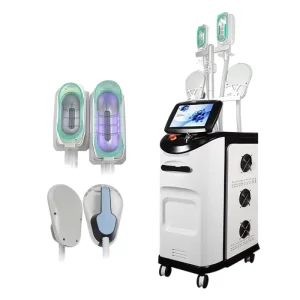
Engineered for the high-volume treatment requirements of premium Indian aesthetic clinics, featuring advanced thermal control and dual-wave stimulation.
The medical aesthetics landscape in India is undergoing an unprecedented paradigm shift. Driven by a burgeoning middle class, rapid urbanization in metropolitan centers (such as Delhi NCR, Mumbai, Bangalore, Chennai, and Hyderabad), and an increased cultural emphasis on physical wellness, the demand for non-invasive body shaping treatments has surged exponentially. According to recent market intelligence reports, the Indian medical aesthetics market is projected to expand at a compound annual growth rate (CAGR) of over 14.5% between 2024 and 2030, with non-surgical fat reduction and muscle-toning technologies leading the growth matrix.
Historically, invasive surgical procedures like liposuction were the standard protocol for body fat removal. However, modern Indian consumers are actively steering away from the surgical suite due to concerns surrounding general anesthesia, extensive post-operative downtime, structural risks, and associated scarring. Non-invasive modalities—specifically targeting subcutaneous fat through cryolipolysis, high-intensity focused ultrasound (HIFU), radiofrequency (RF) thermal energy, and high-intensity electromagnetic muscle stimulation (EMS)—offer high-efficacy, lunchtime treatment options that fit seamlessly into busy urban lifestyles.
Furthermore, dermatologists and cosmetic surgeons across India are noting a significant demographic expansion. It is no longer just high-profile individuals and celebrities seeking these treatments; corporate professionals, fitness enthusiasts, and postpartum women represent a massive, untapped consumer segment. For Indian aesthetic clinics and medical spa chains to capitalize on this wave, they must secure reliable sourcing partners that can deliver high-performance, medical-grade body contouring devices directly from manufacturing hubs with optimal cost-to-performance metrics.
Aesthetic devices serving the Indian market must perform reliably under varying clinical environments. To ensure high treatment compliance and safety across different skin phototypes (specifically Fitzpatrick Types III to VI common in India), devices must utilize targeted energy fields that bypass the epidermis without risking post-inflammatory hyperpigmentation (PIH). The four cornerstone technologies of modern body contouring include:
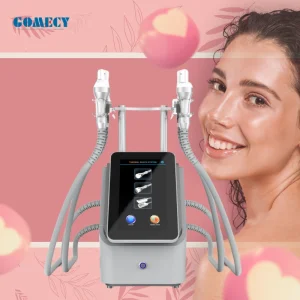
By delivering controlled cooling (-10°C to -13°C) to localized fat deposits, cryolipolysis induces selective apoptosis of adipocytes without damaging surrounding vascular networks or nerves.
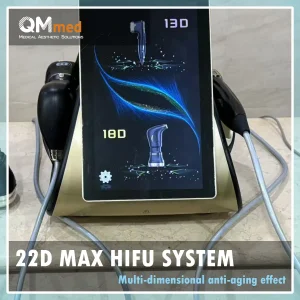
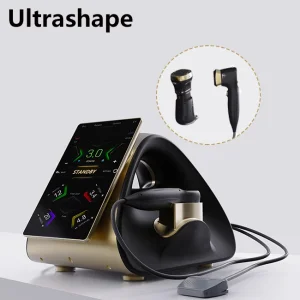
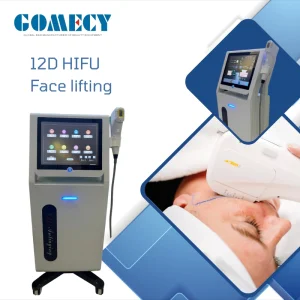
HIFU delivers concentrated acoustic energy to deep structural layers (up to 13mm for body treatment), inducing thermal coagulation points that disrupt stubborn adipose layers while simultaneously tightening the overlying skin matrix.
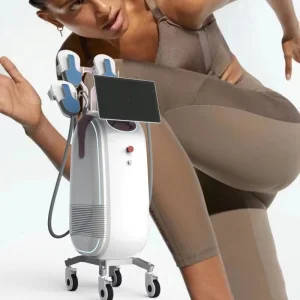
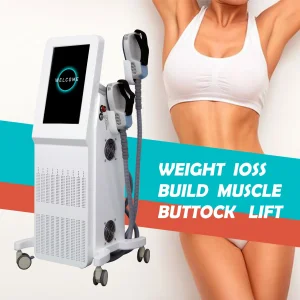
This technology bypasses neural pathways to deliver supramaximal contractions directly to skeletal muscles. In a single 30-minute session, it initiates myofibrillar remodeling and intense fat lipolysis.
Additionally, Monopolar and Multipolar Radiofrequency (RF) systems operating at specialized frequencies (such as the 448kHz RET/CET system) remain crucial for skin rejuvenation and tightening. When RF thermal energy is applied to the reticular dermis, it triggers a heat-shock response, prompting immediate collagen fiber contraction and stimulating fibroblasts to produce new collagen and elastin over the subsequent 90 days. This combined action ensures that as fat is reduced, the skin maintains its structural tautness, preventing sagging.
Established in 2014 in Shenzhen, China, the global epicenter of high-tech manufacturing and consumer electronics, Shenzhen Rudiz Beauty Co., Ltd. has grown to become a premium ODM/OEM manufacturer in the aesthetic medical device industry. Spanning a modern production facility of over 10,000 square meters and backed by a staff of over 200 high-caliber technicians and R&D engineers, we specialize in bringing advanced skincare and body contouring technologies from design concepts to global clinical applications.
Our complete structural ecosystem integrates industrial design, electronic engineering, firmware development, structural design, validation, and rigorous quality control. This vertical integration allows us to supply international distributors, medical groups, and professional importers in India with certified, reliable systems that outperform general standards. We utilize components sourced from Tier-1 suppliers globally—including Japanese motors, German-engineered cooling fans, and medical-grade sensors—to ensure maximum uptime, even in the most demanding clinics.
| Technology Platform | Primary Clinical Target | Applicable Patient Profile | Typical Session Protocol | Key OEM Configuration Options |
|---|---|---|---|---|
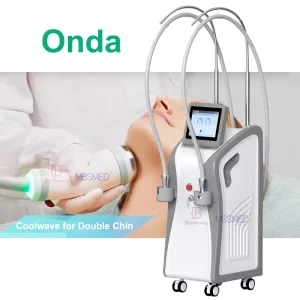
| Onda Coolwaves (RF) | Subcutaneous adipocytes & lax fibrous bands | Mild-to-moderate cellulite, skin flaccidity | 4-6 sessions, spaced 14 days apart | Dual-frequency handpieces, customized UI branding |
| 12D / 22D HIFU | Deep fat layers (SMAS, 13mm / 8mm depths) | Local adiposity, structural skin sagging | 1-2 sessions, spaced 60-90 days apart | Cartridge lifetime options, customized shell design |
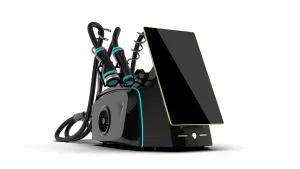
| HI-EMT Muscle Sculpt | Abdominal wall, glutes, thighs, upper arms | Patients seeking muscle definition and fat reduction | 4-8 sessions, scheduled twice weekly | RF integration, 2/4/5 applicators, pelvic floor cushions |
| 360° Cryolipolysis | Isolated, pinchable fat pockets (belly, flanks) | Stubborn fat depots resistant to diet/exercise | 1-3 sessions, spaced 30 days apart | Multi-applicator sim-use, custom cooling cup contours |
Take a virtual tour through our 10,000+ sqm Shenzhen facility. We adhere to ISO 13485 and ISO 9001 standards, ensuring clinical safety and physical build quality at every step.
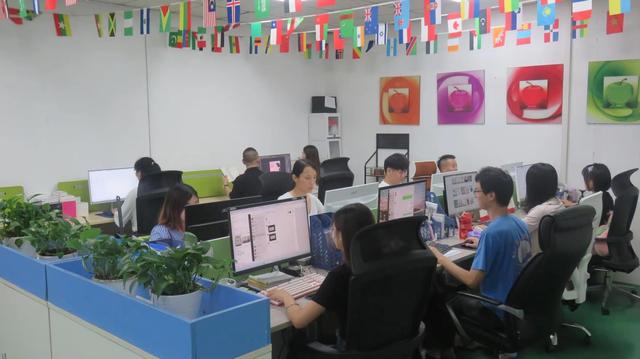
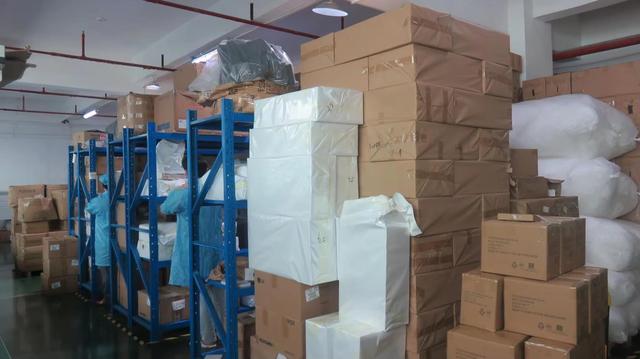
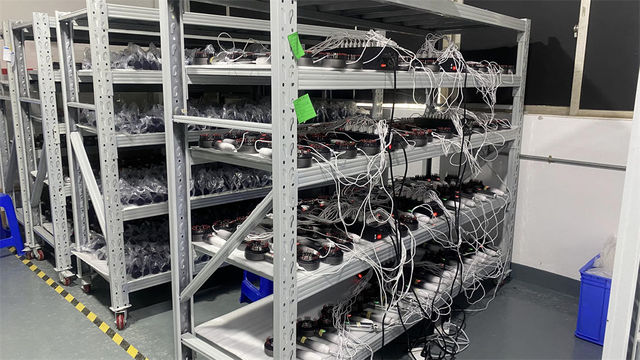
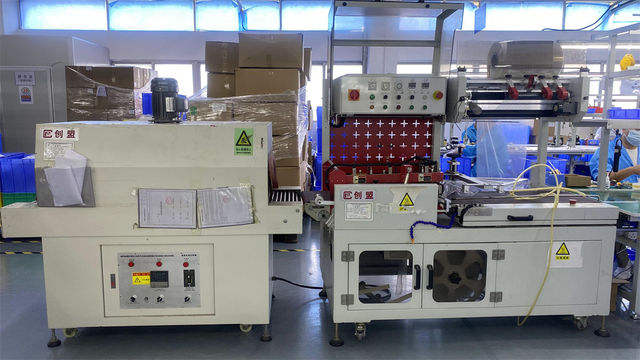
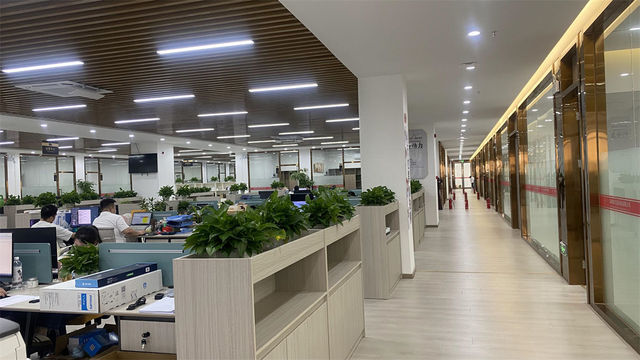
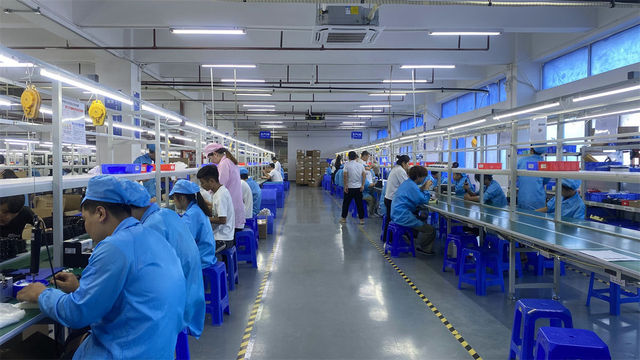
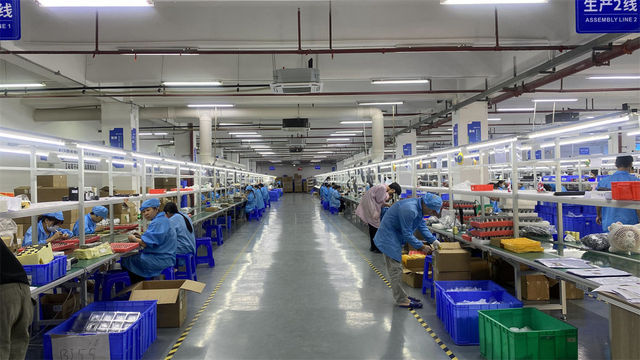
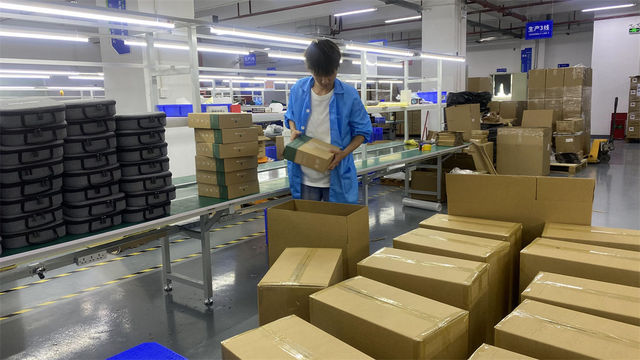
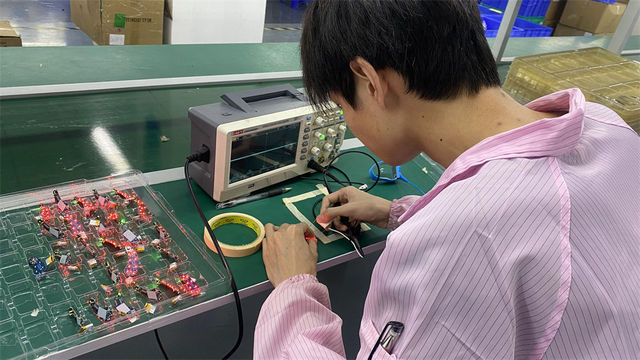
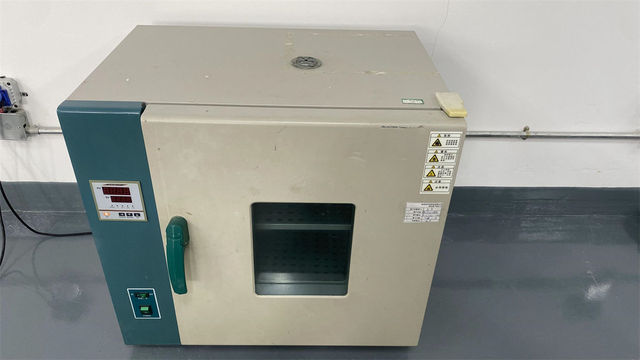
A primary competitive challenge for Indian importers and distributors is the volatility of the global electronics and component supply chain. Our Shenzhen-based production facilities leverage the geographic density of South China's high-tech industrial parks. We utilize localized, advanced manufacturing integrations (Factory 4.0 model) characterized by computerized materials management, automatic inspection systems, and integrated aging racks.
When sourcing from Shenzhen Rudiz Beauty, Indian buyers benefit from:
To successfully import body contouring equipment into India, medical device distributors must navigate specific regulatory and physical environments. Under the Central Drugs Standard Control Organisation (CDSCO), medical aesthetic equipment falls under various classification paths. It is vital to work with a manufacturer like Rudiz Beauty who can supply structural test reports, EMC (Electromagnetic Compatibility) compliance reports, and ISO certifications to streamline the registration process.
Furthermore, local environments must be factored into device engineering. Average ambient temperatures in India can exceed 40°C during summer months. Inadequately cooled aesthetic systems will experience thermal overload, automatic shutdown, or premature laser/RF emitter failure. Our devices are built with heavy-duty copper radiators, semi-conductor Peltier cooling modules, and integrated water flow sensors that continuously monitor coolant performance, ensuring continuous operation in busy, multi-room medical spas.
Optimized systems designed for beauty spas, luxury wellness centers, and home-care providers seeking non-medical aesthetic solutions.
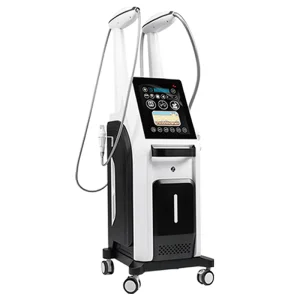
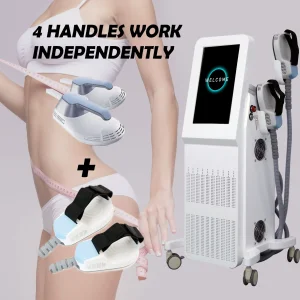
Discover our comprehensive collection of advanced electromagnetic, radiofrequency, and cryo-reduction technologies optimized for import to the Indian subcontinent.
Get authoritative answers on import pathways, device compliance, system lifespan, and post-sales technical support in India.
Under India's Central Drugs Standard Control Organisation (CDSCO), aesthetic devices that emit energy fields (such as radiofrequency, lasers, and high-intensity ultrasound) are classified under the Medical Devices Rules. Depending on their mechanical nature and invasive depth, they are categorized as Class B or Class C medical devices. Sourcing from Shenzhen Rudiz Beauty ensures that you receive complete Technical Files, including CE Certificates, EMC test reports, and electrical safety certifications, facilitating a smoother registration process with CDSCO.
India utilizes a 230V, 50Hz single-phase electrical supply, which is prone to occasional voltage drops and spikes, especially in smaller suburbs. All body contouring devices built by Rudiz Beauty for the Indian market feature integrated wide-range industrial switching power supplies (SPS) and built-in surge protection. Furthermore, we install heavy-duty dual-condenser cooling systems and copper radiators to ensure the internal components do not overheat during high-temperature operations (common in tropical climates).
For urgent clinical installations, we suggest air freight (Shenzhen Bao'an or Hong Kong International Airport to Delhi Indira Gandhi or Mumbai Chhatrapati Shivaji Airport), which takes 5 to 7 business days. For bulk wholesale shipments of 5 units or more, sea freight from Shenzhen/Guangzhou ports to Nhava Sheva (Mumbai) or Chennai ports is the most cost-effective solution, taking approximately 15 to 22 transit days.
We provide full-spectrum engineering customization (ODM). This includes structural design (modifying the outer chassis shell), UI localization (translating display software, adding clinic branding), and physical modifications (such as upgrading EMS power levels or adding RF frequency nodes). Minimum Order Quantities (MOQ) for custom-engineered systems begin at 5 to 10 units, depending on the complexity of the requested structural changes.
All aesthetic devices manufactured by Shenzhen Rudiz Beauty Co., Ltd. are covered by a comprehensive 1 to 2-year warranty program. During this period, replacement parts (handpieces, filters, internal power boards) are shipped directly to India via DHL/FedEx at our expense. Additionally, we provide direct video consultations with our engineering team for remote troubleshooting and diagnostic support.
Partner directly with China's leading Factory 4.0 medical aesthetic manufacturer. Contact us today to receive customized B2B quotes, regulatory assistance, and OEM catalog options.
Send Inquiry Now Rudiz Beauty