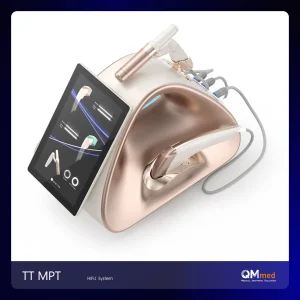
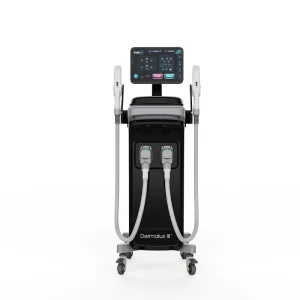
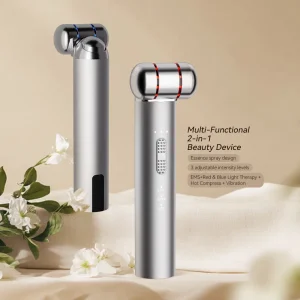
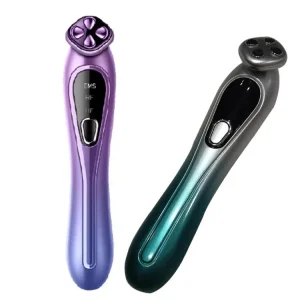
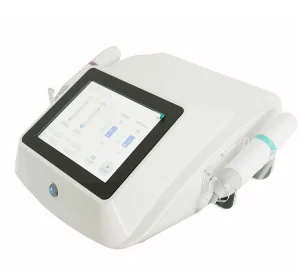
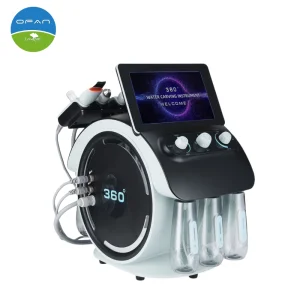
Explore our top-tier manufacturing line, combining non-invasive technology with ergonomic industrial designs for global clinical and home-use applications.
Core Premise: As the global demand shifts from chemical-heavy skincare regimens toward holistic, organic, and non-invasive epidermal rejuvenation, the hardware supply chain must keep pace. Modern "Natural Beauty Tools" bridge the gap between traditional mechanical dermal therapy (such as lymphatic drainage) and high-tech energy-based stimulation (microcurrent, RF, and bio-photonic emission).
Historically, natural beauty tools were limited to manual devices like jade rollers and gua sha stones. Today, the global aesthetic industry defines natural beauty tools through a much broader, scientifically verified prism: non-invasive physical therapy and bio-energy devices that trigger the body's intrinsic healing mechanisms.
By utilizing high-frequency micro-vibrations, low-level laser therapy (LLLT), photobiomodulation (PBM), and thermal regulation, these devices stimulate collagen synthesis, improve subcutaneous circulation, and facilitate cellular energy transfer (ATP production) without breaking the skin barrier or introducing synthetic chemicals.
For B2B brands and professional medical spas, sourcing from verified factories that understand this convergence is critical to capturing the high-value consumer segment demanding sustainable, clinical-grade beauty solutions.
How geographic concentration of component vendors, rapid prototype validation cycles, and advanced electronics expertise accelerate product development cycles for international brands.
Located in the heart of Shenzhen, our engineering team utilizes immediate access to precision 3D printing and tooling facilities, reducing new model validation times from months to mere weeks.
By housing PCB assembly, plastic injection molding, dust-free paint spraying, and QA testing inside a unified 10,000+ sqm structure, we prevent operational bottlenecks and secure price predictability.
We source medical-grade LEDs, high-output microcurrent microchips, and rechargeable lithium-ion battery modules with industry-standard safety ratings directly from domestic Tier-1 chipmakers.
Established in 2014, Shenzhen Rudiz Beauty Co., Ltd. stands as a benchmark of engineering and production optimization. By capitalizing on Shenzhen's status as a leading global electronics hub, the company integrates design, R&D, tooling, and quality assurance into a dynamic industrial pipeline. This localized ecosystem permits Rudiz Beauty to maintain extremely high standards of accuracy, delivering advanced aesthetic devices that satisfy both consumer safety expectations and competitive price requirements.
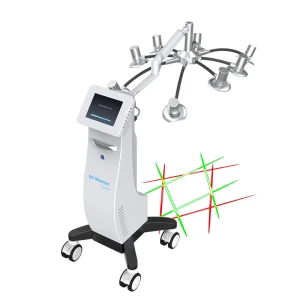
Whether deploying complex electronics such as Radar Wave Face Lifting systems, or high-energy output platforms like non-invasive lipolasers, our localized engineering ensures that raw materials comply with international environmental and electrical directives prior to physical assembly.
For cross-border enterprise buyers, a manufacturing partner's regulatory competency is just as critical as product quality. Here is how we guarantee seamless customs clearance and commercial compliance.
All hardware devices undergo strict Electromagnetic Compatibility (EMC) and Low Voltage Directive (LVD) evaluations. Our equipment holds valid CE, RoHS, and FCC certifications to guarantee risk-free sales in Europe and North America.
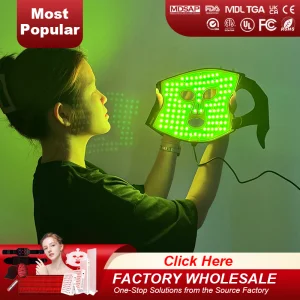
Every skin-contact component—ranging from surgical-grade stainless steel RF probes to medical-grade silicone LED masks—is strictly audited to verify they do not induce skin sensitization or release toxic residues under thermal load.
We operate under ISO 9001 and ISO 13485 Quality Management Systems. We regularly host third-party factory inspection audits (SGS, Intertek, TÜV Rheinland) requested by global retail partners to ensure ethical labor and system safety.
We supply turnkey localization assets including regulatory-compliant product manuals, localization packaging translations, customs tariff code declarations (HS Codes), and electronic compliance documentation. This ensures frictionless entry into highly regulated retail environments like the United States, Germany, Japan, and Australia.
When corporate entities evaluate custom factories, price is rarely the single deciding variable. High-performance enterprises focus heavily on three critical factors:
The aesthetic hardware market is undergoing rapid evolution, shifting toward several highly specialized product niches:
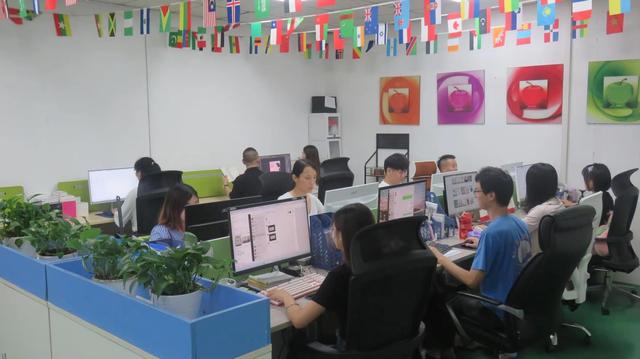
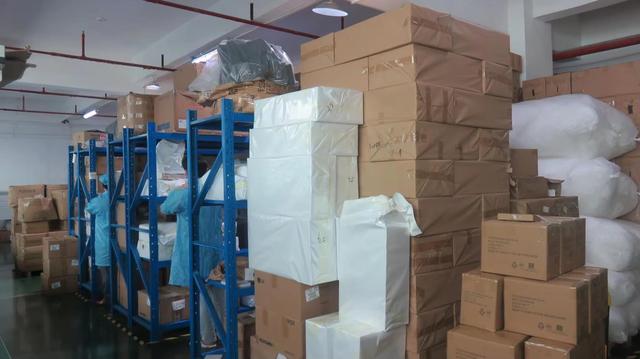
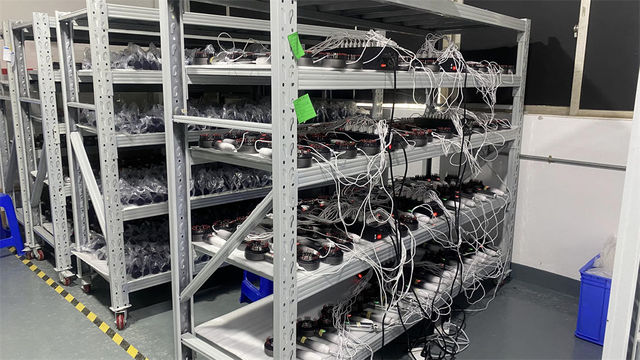
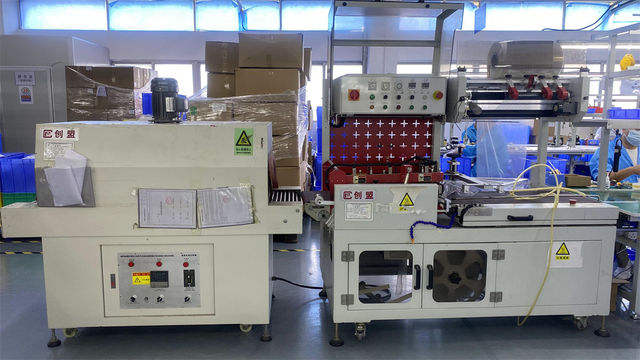
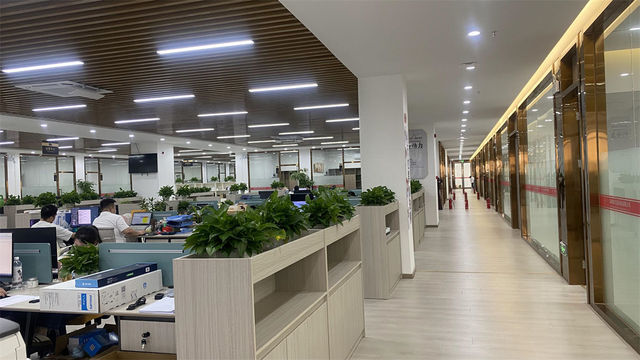
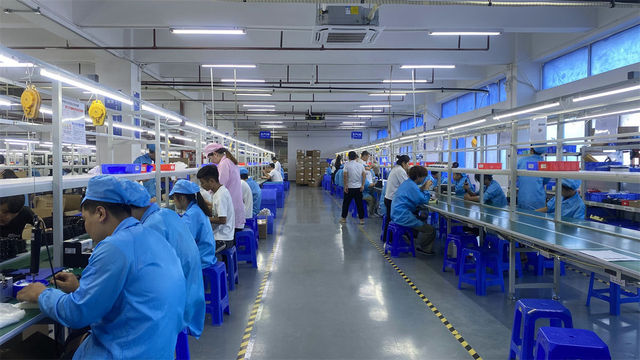
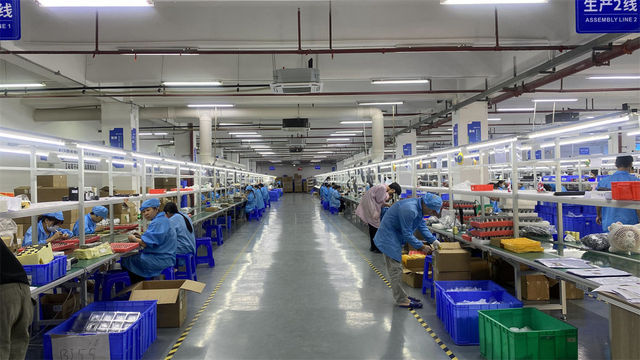
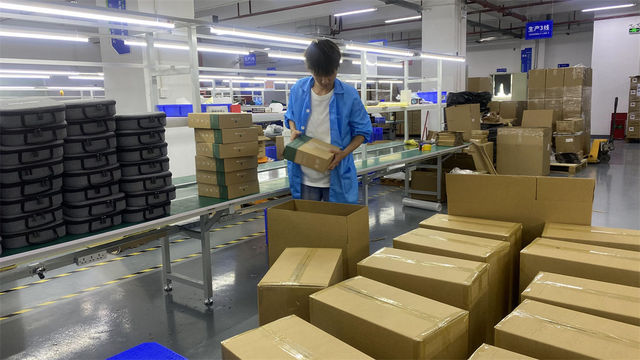
A look inside the Shenzhen Rudiz Beauty facilities. Our dust-free cleanrooms, production lines, and QA testing zones align with global electronics manufacturing standards.
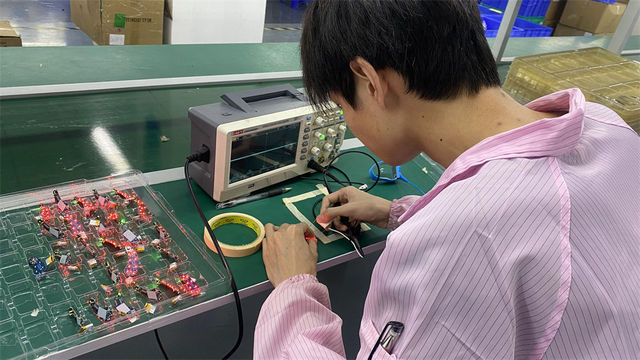
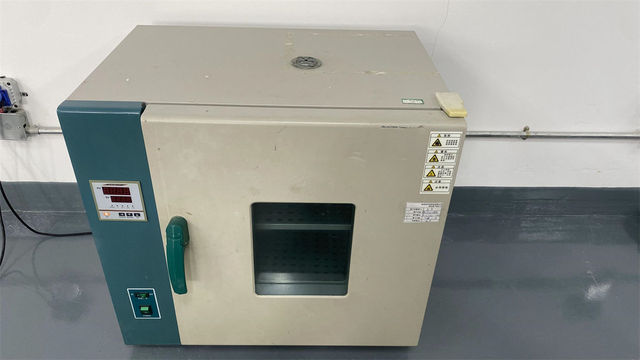
Our engineering and power output profiles are built to excel across multiple use cases and regional markets.
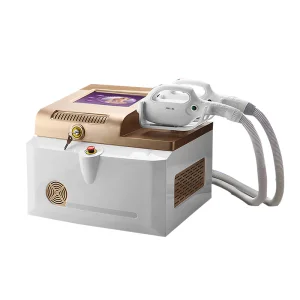
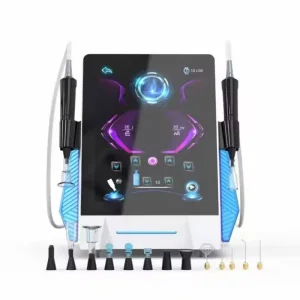
High-output devices like our 6D Lipolaser or Multi-functional Hydro Oxygen machines are optimized for continuous commercial runtimes. They feature heavy-duty cooling fans and durable housings to sustain back-to-back treatment sessions.
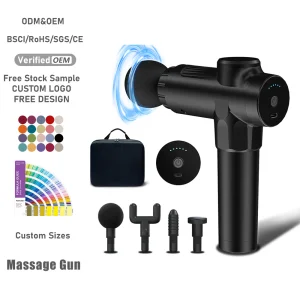
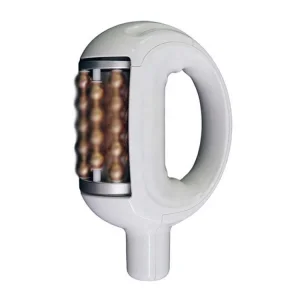
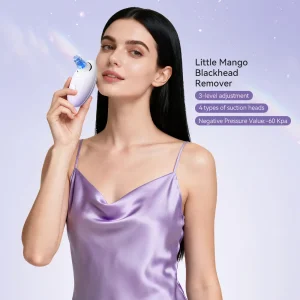
Our handheld facial EMS, microcurrent, and RF rollers target the premium retail market. We provide comprehensive customization services, including custom brand colors, custom logos, and bespoke packaging for high-impact unboxing experiences.
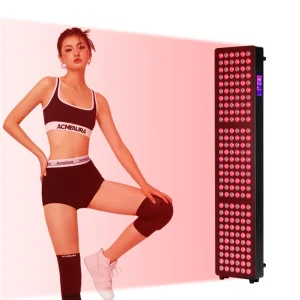
Our low-temperature cold plasma and red light therapy devices are designed to accelerate epidermal recovery following ablative laser or chemical peel procedures, offering skin clinics a safe tool to recommend to clients for home recovery.
Answers to critical questions regarding engineering capabilities, ordering terms, and cross-border logistics when working with Shenzhen Rudiz Beauty Co., Ltd.
Discover our comprehensive collection of smart, non-invasive skincare technologies, developed to meet international safety and quality standards.
 Rudiz Beauty