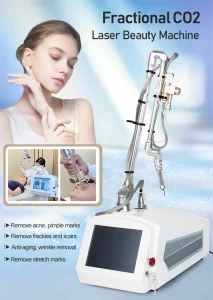
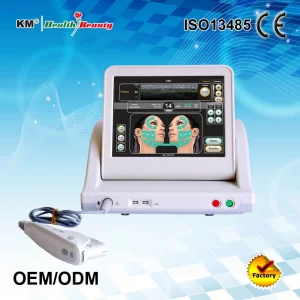
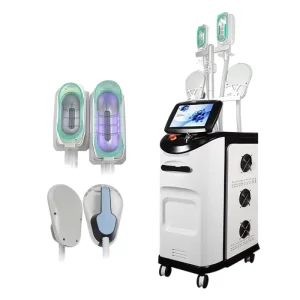
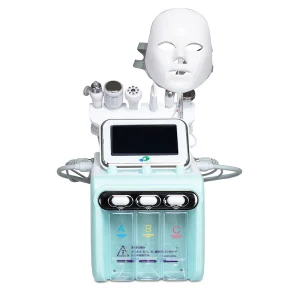
Explore our premium product portfolio designed for global medical aesthetics clinics, retail brands, and cosmetic distributors.
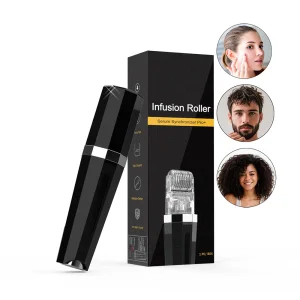
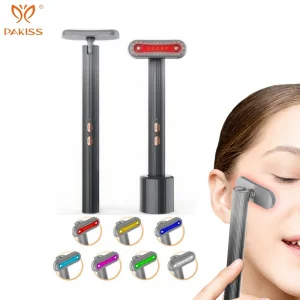
The clinical applications of photodynamic and photobiomodulation (PBM) mechanisms have advanced significantly. The global dermatological market has shifted from single-wavelength medical arrays to intelligent, multi-spectral, wearable, and handheld systems. Historically, phototherapy was confined to specialist clinics because of the heat generated by older LED units and the large power sources required.
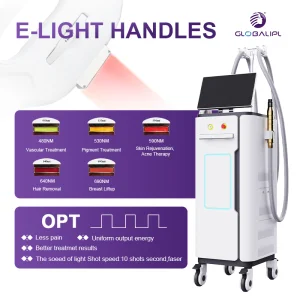
Modern light therapy relies on precise narrowband LEDs. These micro-emitters produce targeted electromagnetic wavelengths with minimal thermal dispersion. The primary wavelengths used in these systems include:
Next-generation LED skin therapy devices feature embedded microcontrollers and smart sensors. These systems monitor skin impedance, calibrate real-time energy output (irradiance measured in $mW/cm^2$), and connect with mobile applications to track treatment progress and adjust settings automatically.
Modern devices focus on delivering high irradiance at low temperatures. Proper thermal management allows high-output LEDs to deliver therapeutic energy doses (measured in Joules/$cm^2$) quickly, improving treatment efficiency and user comfort.
For medical equipment distributors, aesthetic brand owners, and cosmetic retail chains, sourcing LED skincare devices requires careful evaluation of manufacturing and technical specifications. Importers must balance marketing goals with rigorous quality control and international regulatory compliance.
When selecting an OEM/ODM manufacturing partner, procurement teams should prioritize the following key standards:
By establishing strict procurement benchmarks, global brands can mitigate liability risks, reduce return rates, and build long-term consumer trust.
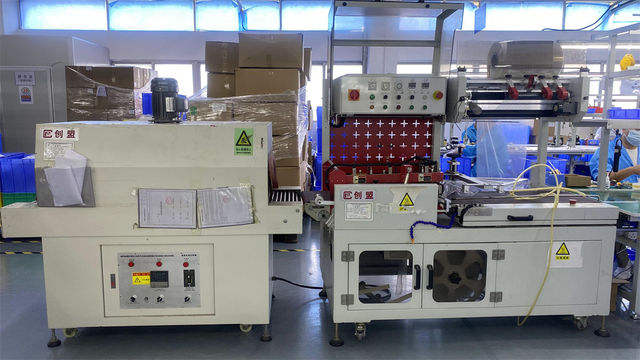
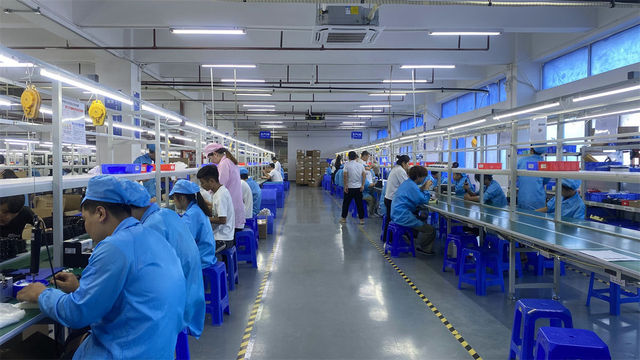
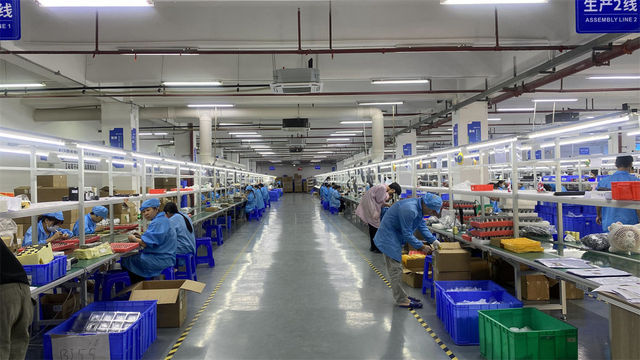
China remains the hub for advanced consumer electronics and medical aesthetic manufacturing. The transition to "Industry 4.0" has integrated automated assembly, precise optical calibration, and computerized quality control directly into the production line. This supply chain ecosystem enables rapid prototyping, cost-efficient scaling, and reliable component sourcing.
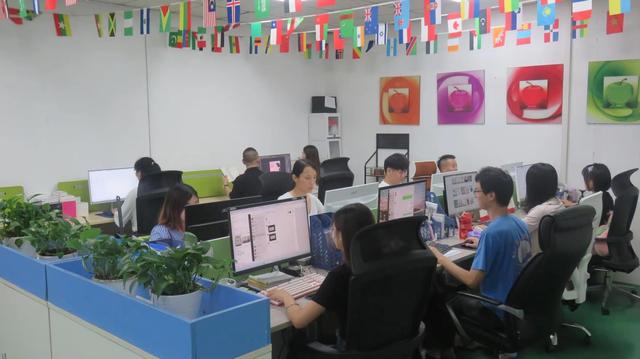
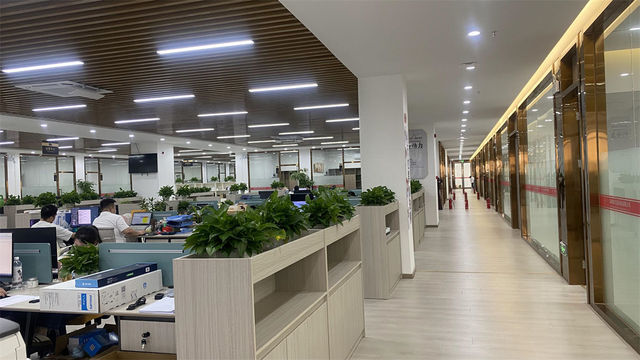
Shenzhen Rudiz Beauty Co., Ltd. is a professional beauty device manufacturer specializing in smart skincare technology, anti-aging beauty equipment, and advanced aesthetic solutions. Established in 2014, the company is located in Shenzhen, China—a global hub for technology, electronics manufacturing, and international trade.
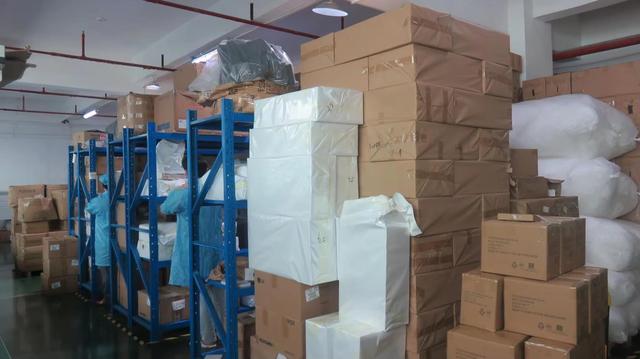
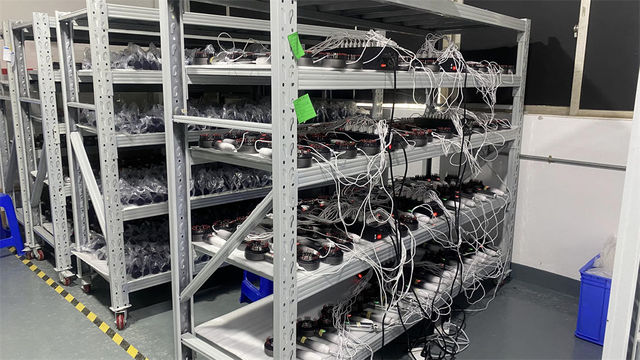
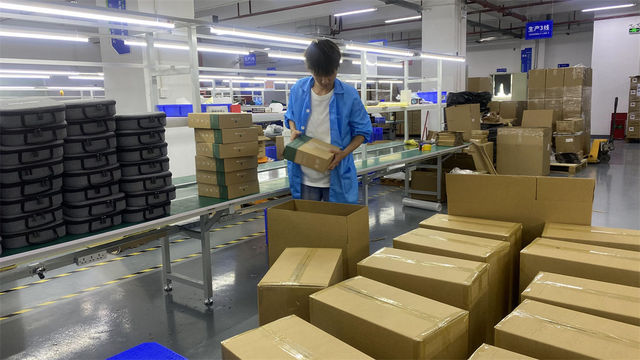
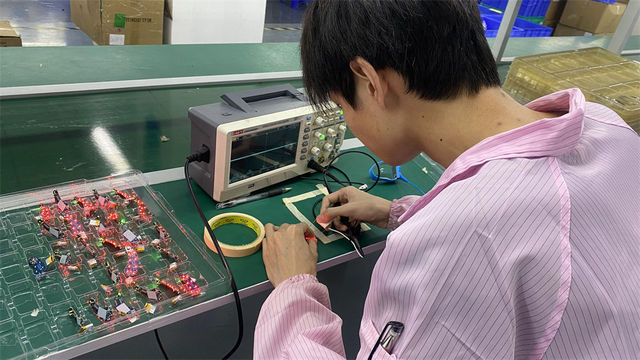
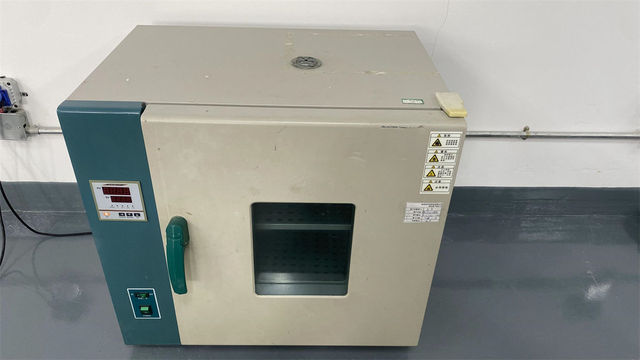
Operating a modern production facility of more than 10,000 square meters and supported by over 200 skilled employees, Rudiz Beauty manages a complete production system that integrates industrial design, research and development, manufacturing, quality control, and global sales. The company continuously invests in advanced technologies to supply safe, effective, and user-friendly skincare equipment to distributors, retailers, and professional businesses worldwide.
As an experienced OEM and ODM manufacturing partner, the company provides customized product development, industrial design support, private labeling, packaging solutions, and flexible production services tailored to customer requirements. Its products are exported to North America, Europe, Southeast Asia, the Middle East, Australia, and other international markets.
The demand for phototherapy varies across different regions and business models, requiring manufacturers to offer versatile product designs.
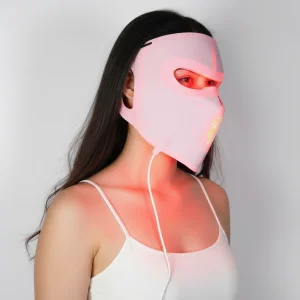
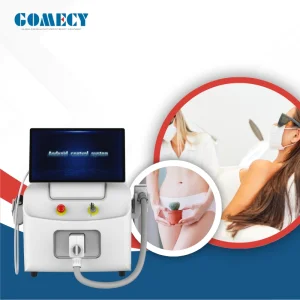
Clinics require high-power, multi-wavelength, stable systems (such as stand-alone panels or high-output masks) to use alongside invasive skin resurfacing, microneedling, or laser therapies to speed up tissue healing and reduce erythema.
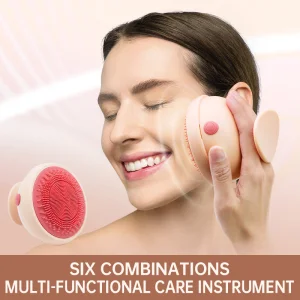
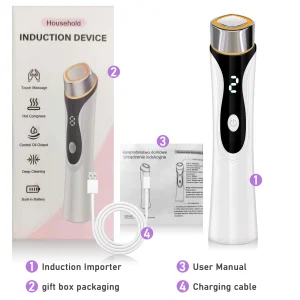
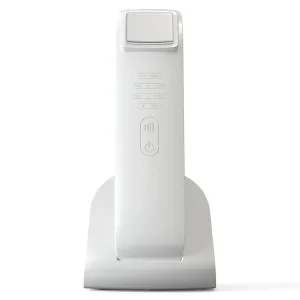
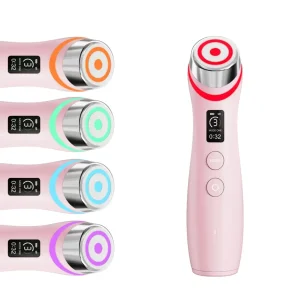
The consumer market demands lightweight, ergonomic, and easy-to-use devices (such as flexible silicone face masks and targeted eye massagers). These devices feature simplified controls, USB charging, and built-in timers to ensure safe operation at home.
Geographically, regulatory compliance is a major factor in market access. North American buyers rely on FDA cleared components and high-energy density systems. European distributors look for CE-marked, environmentally conscious packaging (RoHS-compliant), and sleek, minimalist designs. The Asian market favors multifunctional tools that combine LED therapy with microcurrent (EMS), thermal massage, or iontophoresis to maximize space and utility.
Key information regarding production compliance, quality control, and clinical phototherapy specifications.
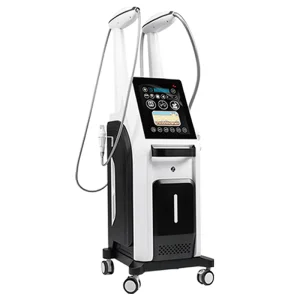
Explore our professional-grade body contouring, lifting, and skin tightening devices for clinical and commercial use.
 Rudiz Beauty