High-precision laser emission, advanced cryolipolysis, and multi-platform rejuvenation systems for targeted clinics.
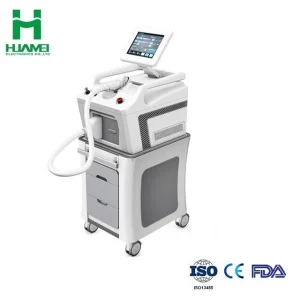
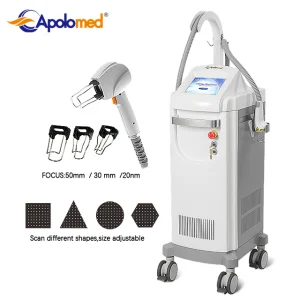
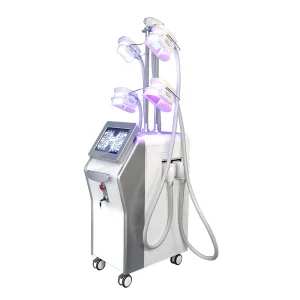
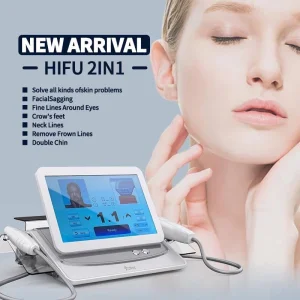
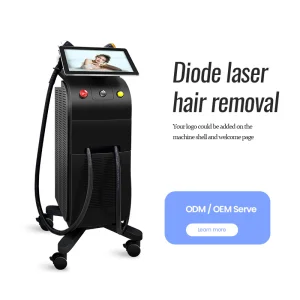
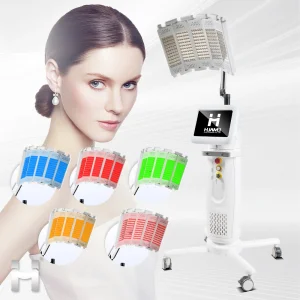
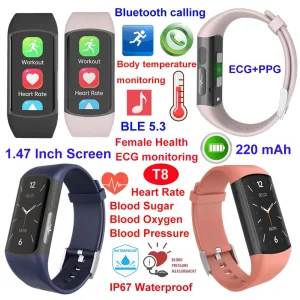
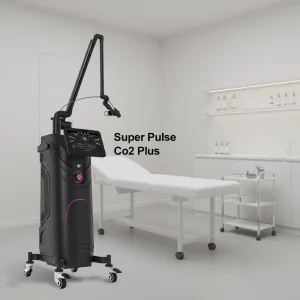
The global demand for non-invasive aesthetic treatments has shifted structural market metrics. Among energy-based devices, diode laser hair removal stands at the forefront of this transformation. According to clinical data and market intelligence, global buyer procurement has transitioned from standard thermal mechanisms to targeted pulse-width modulation, selective photothermolysis, and integrated multi-wavelength hardware arrays.
Clinics, distributors, and brand operators seek systems that balance treatment velocity with patient comfort. The primary physical wavelength employed for hair removal is the 808nm diode laser, renowned for its optimal melanin absorption profile and tissue penetration depth. However, advanced optical systems now feature hybrid modules combining 755nm, 808nm, and 1064nm wavelengths in a single handpiece to address differing Fitzpatrick skin types and hair follicle depths. By adapting physical energy distribution, contemporary aesthetic platforms achieve high hair clearance rates with minimized risk of epidermal thermal injuries.
Shenzhen, China has evolved from a general electronics assembly center into a sophisticated precision-machining and optoelectronic cluster. Manufacturers like Shenzhen Rudiz Beauty Co., Ltd. leverage this concentrated supply chain. Within a 50-kilometer radius, factories secure advanced micro-electronics, thermoelectric cooling (TEC) modules, sapphire crystals, and medical-grade power supplies. This concentration enables rapid engineering prototyping, strict mechanical design iterations, and a lower total cost of production compared to European or North American facilities.
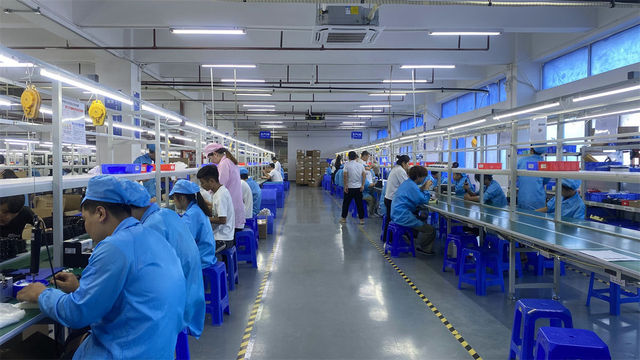
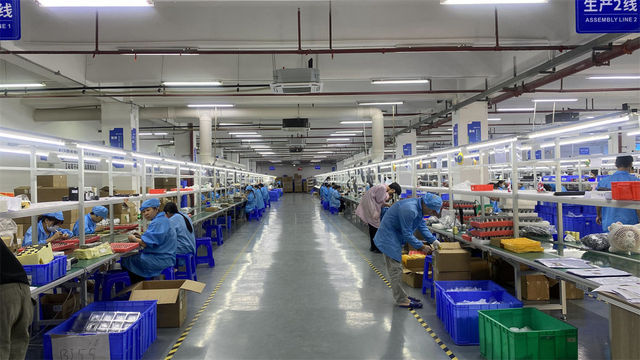
Furthermore, Chinese factories have modernized their operations, deploying high-standard cleanrooms (Class 10,000 dust-free assembly spaces) to configure laser bar components. Since dust accumulation is a primary driver of premature diode burn-out, assembling optical paths in cleanroom environments ensures that international buyers receive systems with reliable lifespans, minimizing downstream warranty claims.
How medical aesthetic distributors evaluate compliance, engineering depth, and hardware reliability.
Compliance is critical. Professional distributors require manufacturers with CE marking, TGA approvals, and ISO 13485 medical quality management systems. These certifications ensure that the electrical leakage, electromagnetic compatibility, and radiation safety adhere to international directives.
Laser efficacy depends on thermal management. High-power systems require Sapphire contact cooling and robust Thermoelectric Cooling (TEC) loops. This maintains skin surface temperatures between -4°C and 4°C, preventing burns while delivery energy to the root.
B2B buyers need custom form factors. A manufacturer with in-house industrial design and firmware programming resources can modify casing designs, UI branding, energy protocols, and spot sizes, allowing importers to target niche clinical markets.
Established in 2014, Rudiz Beauty integrates research, design, production, and international logistics under one system.
Shenzhen Rudiz Beauty Co., Ltd. is a professional beauty device manufacturer specializing in smart skincare technology, anti-aging beauty equipment, and advanced aesthetic solutions for global beauty brands, distributors, retailers, and professional skincare businesses. Located in Shenzhen, China—a leading center for innovation, electronics manufacturing, and international trade—the company has established a robust reputation over a decade of dedication.
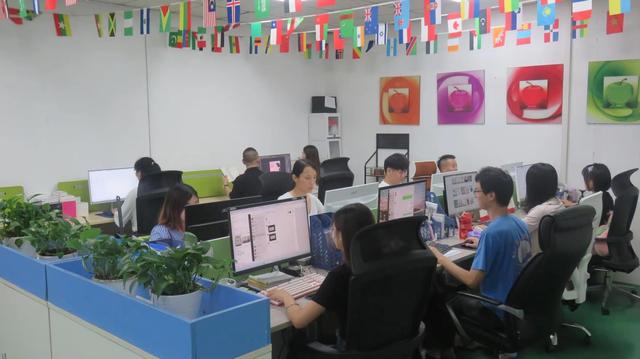
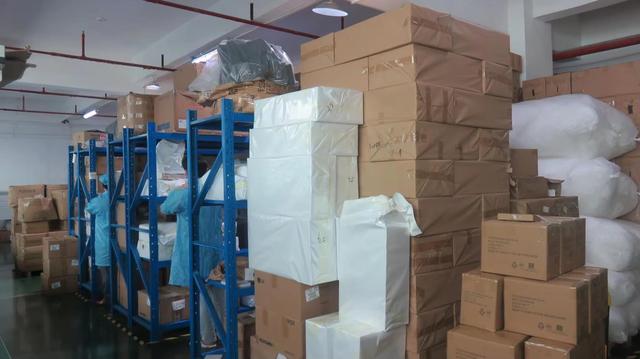
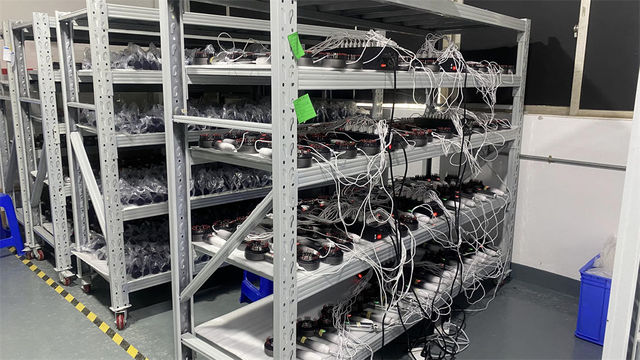
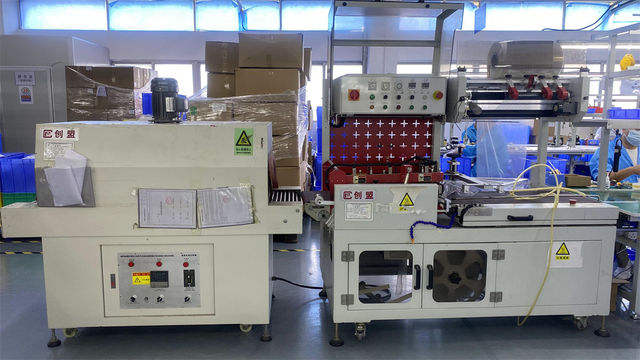
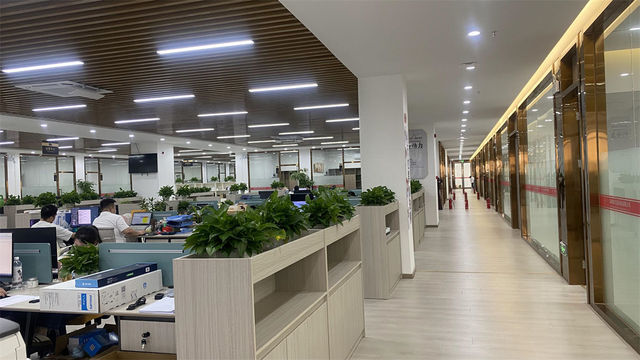
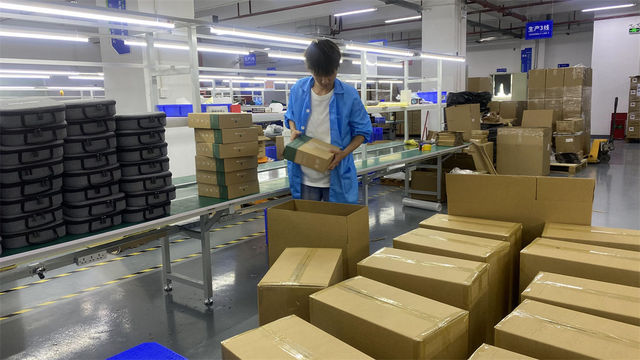
With a modern production facility covering more than 10,000 square meters and a team of over 200 skilled employees, Rudiz Beauty integrates industrial design, research and development, manufacturing, quality control, and global sales into a complete production system. The company continuously invests in advanced beauty technologies and product innovation to meet the growing demand for safe, effective, and user-friendly skincare solutions.
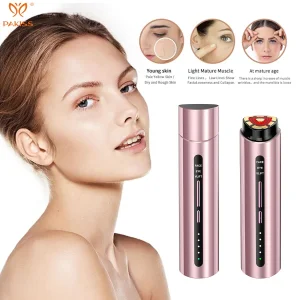
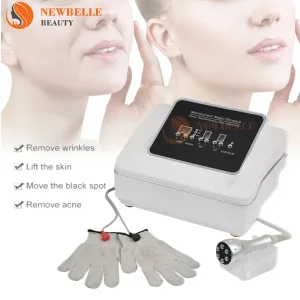
Rudiz Beauty offers a comprehensive range of beauty devices, including facial care devices, skin rejuvenation equipment, anti-aging systems, LED light therapy devices, microcurrent beauty devices, radio frequency skincare equipment, skin tightening solutions, eye care devices, and multifunctional beauty tools for both home and professional use. Products are developed with a focus on performance, safety, ergonomic design, and ease of operation.
As an experienced OEM and ODM manufacturing partner, the company provides customized product development, industrial design support, private labeling, packaging solutions, and flexible production services tailored to customer requirements. Its products are exported to North America, Europe, Southeast Asia, the Middle East, Australia, and other international markets.
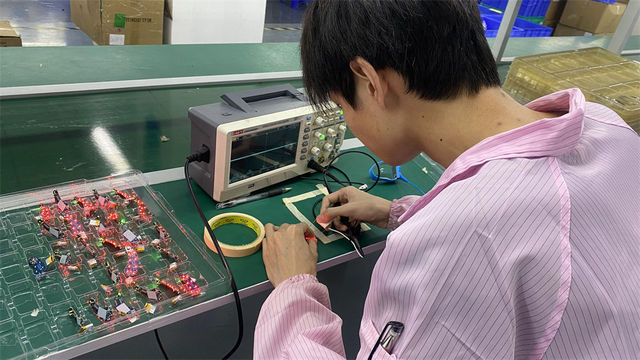
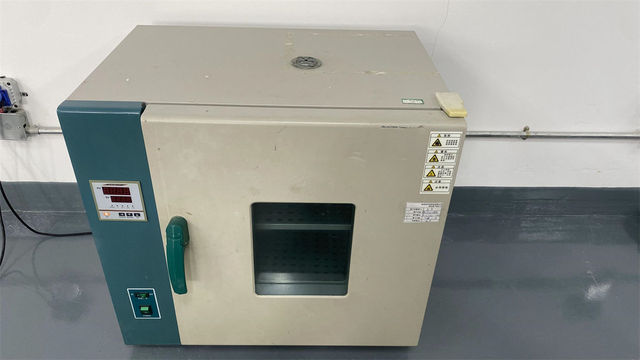
The operational success of energy-based aesthetic devices is highly dependent on matching device form factors to the specific constraints of the localized commercial space. International buyers typically divide procurement into three core application classes:
For premium clinical locations, system duty cycles are the defining parameter. Vertically designed diode laser consoles require continuous water circulation systems supported by active compressor cooling or heavy-duty TEC systems. This allows the laser engine to operate continuously for 12 to 24 hours without thermal degradation or safety shut-downs. Additionally, the clinical workflow demands variable spot sizes (e.g., 12x20mm for speed on limbs, and 12x12mm for detailed facial work) to maximize patient throughput.
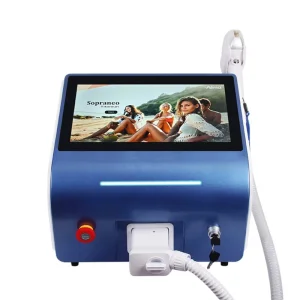
For independent practitioners and smaller salons, portable desktop systems are highly sought after. These units pack 808nm diode power into compact chasses weighing under 30kg. In this scenario, weight reduction must not compromise output energy density. Manufacturers address this by using high-efficiency density laser stacks and compact, high-pressure brushless DC water pumps. These components ensure the unit can be safely transported between regional pop-up clinics while maintaining clinical hair reduction efficacy.
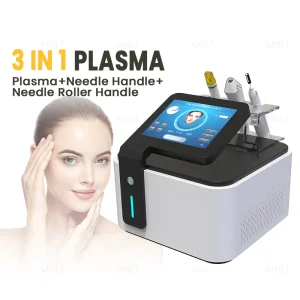
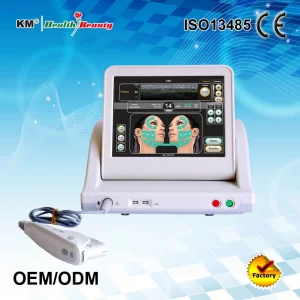
Modern clinics prefer multi-technology arrays to optimize space and maximize ROI. Devices integrating diode laser systems with radio frequency (RF), intense pulsed light (IPL), or high-intensity focused ultrasound (HIFU) allow practitioners to upsell treatment packages. For instance, combining high-fluence hair removal with post-treatment cold plasma or low-level LED light therapies accelerates tissue repair and reduces post-inflammatory hyperpigmentation (PIH).
Expert answers regarding laser physics, supply chain management, and clinical standards.
From optical skin analyzers to advanced cold plasma and RF delivery platforms.
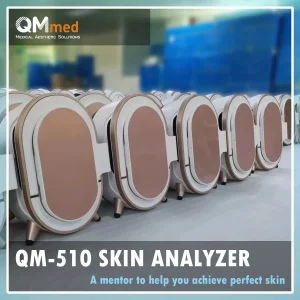
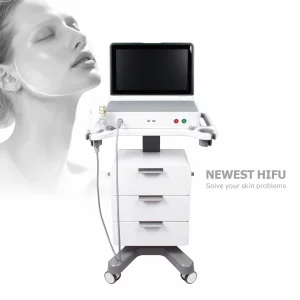
 Rudiz Beauty