Advanced photo-treatment panels, professional clinic machinery, and home-care systems certified for international distribution.
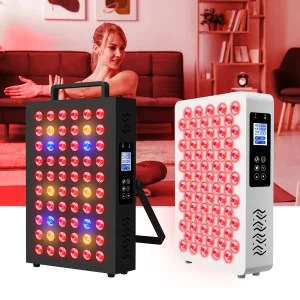
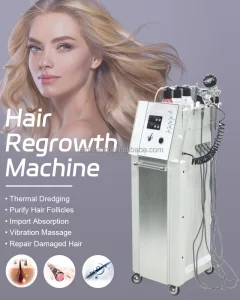
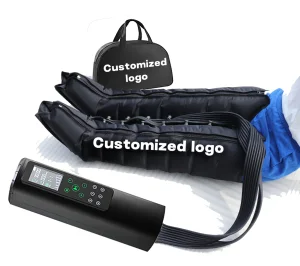
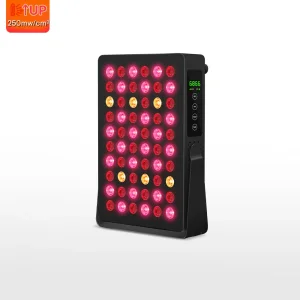
Analyzing key drivers of non-invasive hair growth technologies and therapeutic systems.
The global hair restoration market is undergoing a fundamental shift toward non-invasive, home-use, and salon-grade technological interventions. Driven by rising incidences of androgenetic alopecia, telogen effluvium, and age-related hair thinning, consumers and professional dermatologists are turning to Low-Level Laser Therapy (LLLT) and targeted photobiomodulation (PBM) as safe, drug-free treatments. Chinese manufacturing hubs, spearheaded by leading cities like Shenzhen, have consolidated the supply chain to provide medical-grade scalp revitalization technologies at global economies of scale.
Modern hair stimulating devices are no longer simple light sources. They are complex electro-mechanical assemblies integrating narrow-band red light spectrums (ranging from 630nm to 660nm) and deep-penetrating near-infrared (NIR) wavelengths (such as 810nm, 830nm, and 850nm). Research indicates these specific wavelengths efficiently penetrate the scalp to stimulate Cytochrome C Oxidase within hair follicle cells. This process escalates adenosine triphosphate (ATP) production, enhances microcirculation, extends the anagen (growth) phase of hair follicles, and reverses follicular miniaturization.
Exploring the multi-wavelength energy delivery systems and real-time clinical analysis technology.
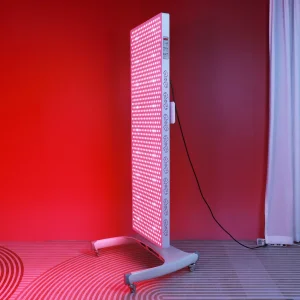
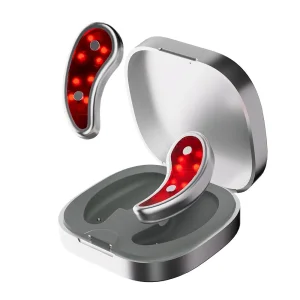
Utilizing high-power medical LED arrays emitting precise wavelengths (630nm, 660nm, 810nm, 830nm, and 850nm) to target tissue depths from the upper epidermis down to the deep subcutaneous follicular bulbs, enhancing cell viability and reducing local inflammation.
By mimicking the body’s natural bio-electric currents, integrated EMS systems stimulate scalp muscular tone and enhance vascular permeability, assisting the uptake of topical hair restoration solutions and vital biological nutrients.
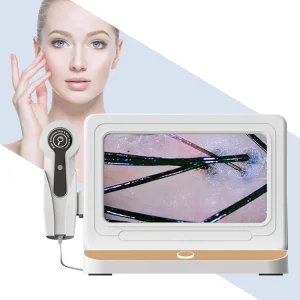
High-resolution optical magnification lenses paired with AI analysis engines enable operators to assess follicular density, detect sebum buildup, analyze scalp dryness, and map longitudinal hair recovery with quantitative clinical evidence.
A trusted manufacturer delivering high-end aesthetic engineering solutions globally from Shenzhen, China.
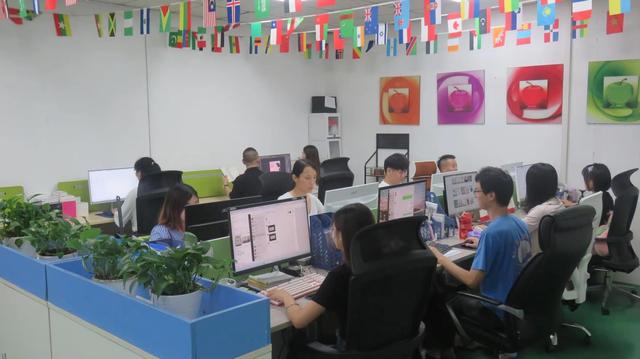
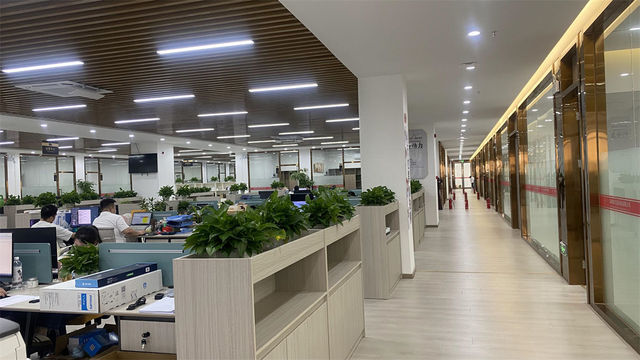
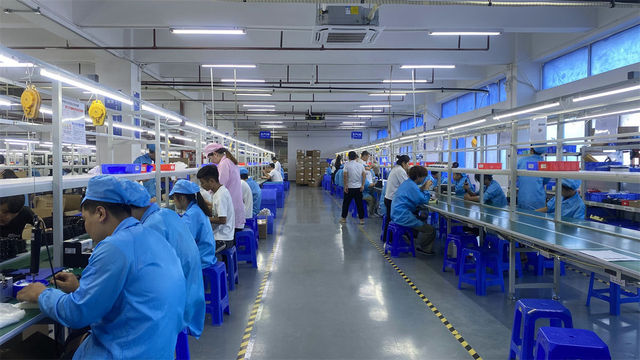
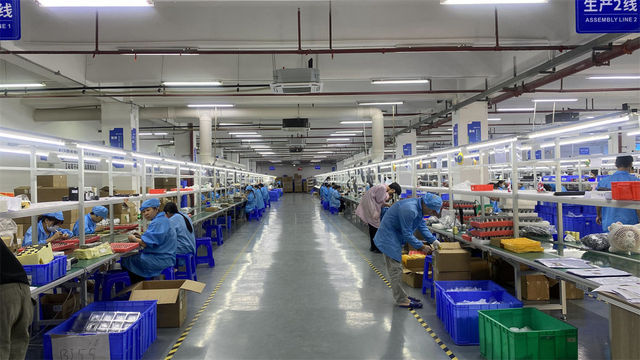
Established in 2014, Shenzhen Rudiz Beauty Co., Ltd. is a professional beauty device manufacturer specializing in smart skincare technology, anti-aging beauty equipment, and advanced aesthetic solutions. Our advanced operations are located in Shenzhen, China, a global focal point for consumer electronics design, precision manufacturing, and supply chain logistics.
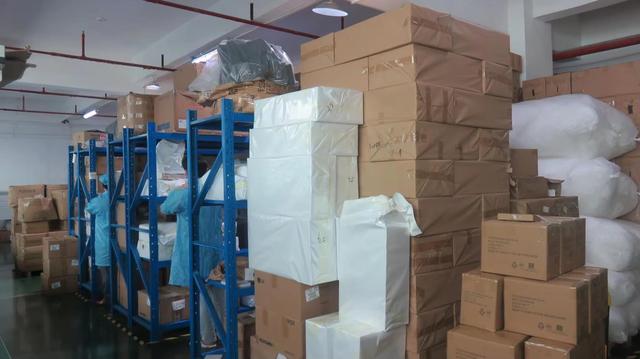
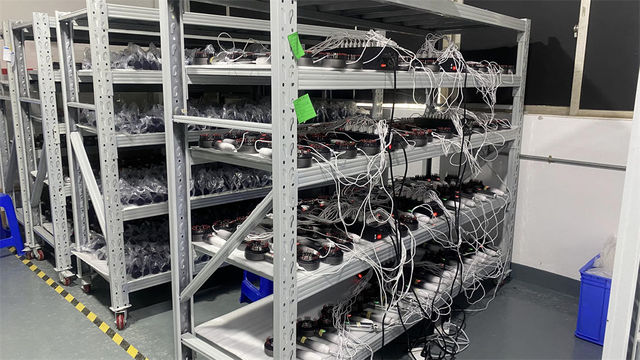
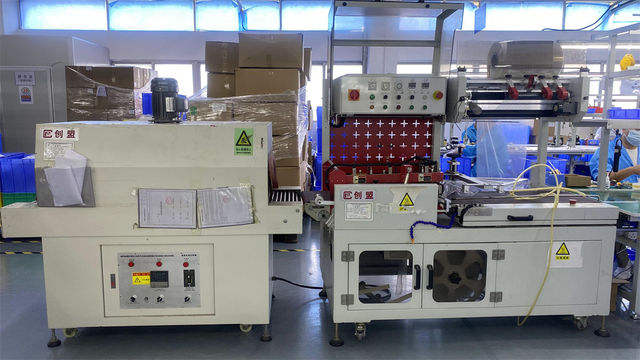
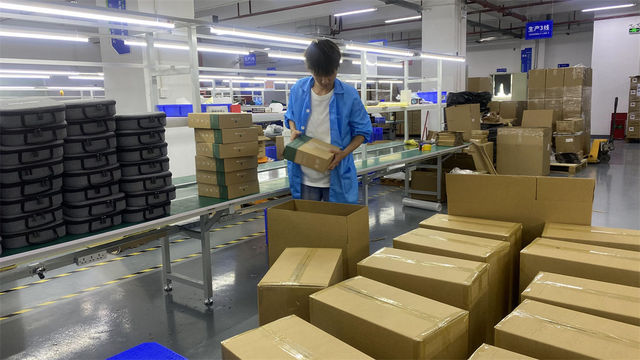
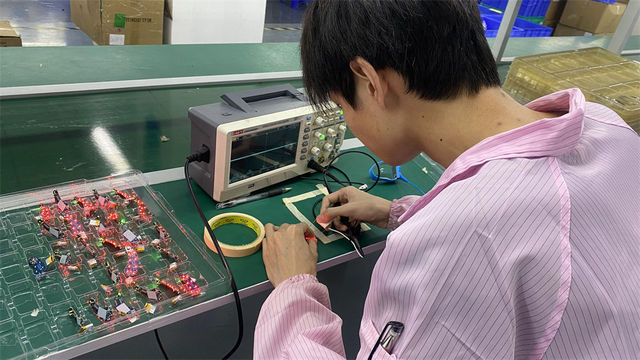
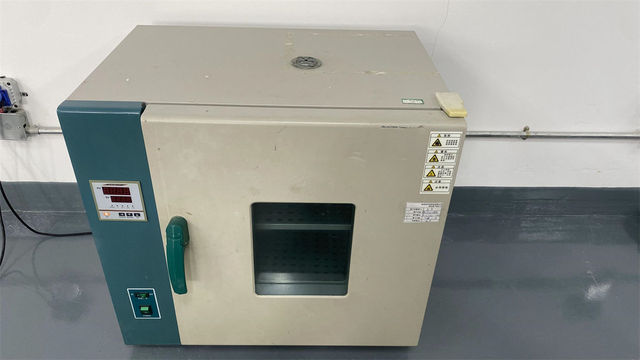
Operating a modern production facility spanning over 10,000 square meters and powered by a highly trained workforce of more than 200 specialists, the company houses a comprehensive manufacturing structure. This includes industrial design bureaus, electronic R&D labs, cleanroom assembly zones, high-precision quality control stations, and customer-facing global logistics operations.
Rudiz Beauty's portfolio ranges from specialized scalp analyzers and light therapy instruments to comprehensive body shaping systems, facial care technologies, radio frequency devices, and smart skincare tools. Every design conforms to critical requirements of performance, ergonomics, and operation safety to serve global distributors, clinical beauty networks, and OEM/ODM private labels.
Why global brands choose Shenzhen for hair restoration and beauty hardware fabrication.
Access to world-class micro-controllers, optics, diode chips, and casing manufacturers within a 50km radius enables instant parts sourcing and rapid tooling adjustments.
Our complete prototyping pipeline reduces design-to-sample cycles down to weeks instead of months, allowing distributors to capture emerging consumer demands immediately.
Standardized manufacturing protocols aligned with international regulatory frameworks (CE, FCC, and RoHS standards) protect brands from import compliance blockages.
Evaluating standard requirements for international healthcare and cosmetic business distributions.
Managing international procurement in the beauty sector requires deep familiarity with local regulatory standards, shipping compliance, and system customization. For retail networks, medical spas, and clinics, buying systems in volume involves balancing localized safety rules and specific customer expectations. The products must fit into localized aesthetic protocols and comply with strict electronic safety standards.
To address these complex demands, modern factories like Rudiz Beauty offer full-service OEM and ODM frameworks. This includes design, mechanical engineering, custom PCB programming, packaging design, and certification documentation. Whether a business needs a standalone home-use red light helmet with a dedicated app, or a multi-functional clinic workstation with AI scalp scanners, the entire production line is built to scale to meet these technical requirements.
We build brand equity by offering deep cosmetic and design alterations. Customizations include housing color schemes, logo engraving, private labeled retail packaging, and multi-language UI software localization.
All manufacturing stages are tracked. We offer full compliance dossiers (such as CE, RoHS, and FCC markings) to ensure seamless imports through EU, North American, and APAC custom gates.
Aligning product architectures with specific end-user spaces, clinical operations, and daily workflows.
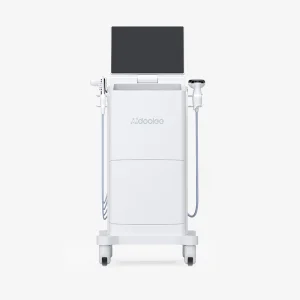
Engineered for hair restoration clinics and medical spas. High-output platforms integrate LED technology, micro-currents, and diagnostic analyzers to provide documented therapies for patients managing progressive hair loss.
Optimized for day spas and premium salons. These user-friendly systems provide clients with revitalizing scalp care treatments alongside traditional washing, styling, and scalp massage routines.
Ergonomic, lightweight, and rechargeable devices designed for home use. Built with safety features like skin-proximity sensors, these systems allow users to maintain consistent daily treatments.
The convergence of intelligence, spectrum personalization, and data-driven diagnostic systems.
The hair stimulation device market is shifting toward smarter, highly customized systems. A major trend is the development of dynamic spectral targeting. Future systems will adjust output energy and light spectrums based on real-time feedback from diagnostic sensors. Rather than standard continuous exposure, these systems will modulate optical outputs to match the user's specific skin tone, follicular density, and hydration levels.
Additionally, IoT connectivity and integrated skincare tracking applications are becoming standard. These companion apps allow users to track treatment progress, check scalp health under magnification, receive customized treatment schedules, and share progress data with their dermatologist. This integration helps improve compliance, which in turn leads to more consistent, visible results.
Clarifying manufacturing processes, clinical metrics, and order details for international buyers.
Research shows that red light (around 630nm to 660nm) and near-infrared light (810nm to 850nm) are highly effective. Red light targets the upper dermis to stimulate hair follicles, while near-infrared light penetrates deeper to improve blood flow, reduce cellular inflammation, and boost mitochondrial activity.
Experienced manufacturers follow strict design protocols, including precise spectroradiometric testing to confirm accurate laser and LED outputs. Additionally, high-end production plants rely on thermal management systems to keep operating temperatures safe and prevent skin damage during treatments.
We offer comprehensive customization, including housing mold changes, specific diode placement configurations, custom electronic PCB design, brand logos, custom UI/UX screens, and complete product packaging designs.
Standard mass production runs generally require 30 to 45 days after deposit confirmation and artwork approvals. Customized OEM tooling and new electronics design require an additional 30 to 60 days for prototypes, testing, and validation.
Yes. Every system is built using universal power adapters (100V - 240V, 50/60Hz) and is equipped with regional plugs (such as US, EU, UK, or AU standards) based on the target market.
All products are shipped in drop-tested, high-density foam inserts and thick double-wall outer boxes. For heavier clinic machinery, we use reinforced plywood crates to protect the optics and sensitive electronic displays during shipping.
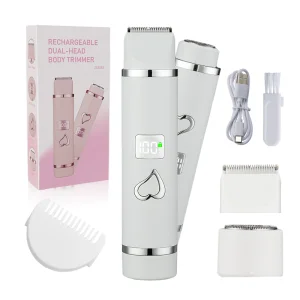
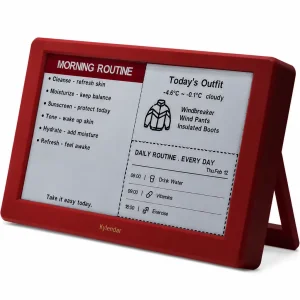
Comprehensive scalp analysis microscopes, professional-grade LED systems, and aesthetic platforms.
 Rudiz Beauty