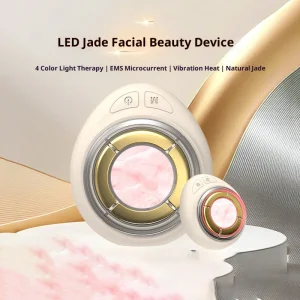
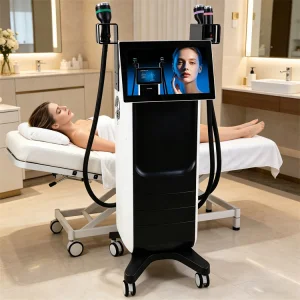
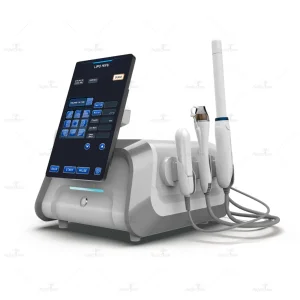
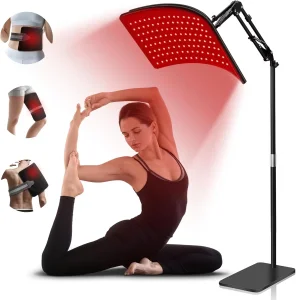
Explore our premium clinical-grade and portable home-use light therapy and skin rejuvenation systems designed to repair photothermal damage and bolster skin barriers.
In the modern dermatological paradigm, sun protection is no longer confined to topically applied chemical sunscreens. Today's global market is witnessing a major shift toward **electromagnetic radiation shielding, cell-level DNA repair, and photoprotective phototherapy platforms**. As global temperatures rise and the atmospheric ozone barrier changes, exposure to high-intensity ultraviolet (UV) radiation, visible light, and near-infrared (NIR) wavelengths has reached unprecedented levels.
This biological stress accelerates **photoaging**, destroys dermal collagen structures, and causes cellular trauma. Advanced beauty and sun care technology manufacturers now build therapeutic medical devices designed to address sun damage from two fronts: active photothermal regulation (preventative barrier optimization) and cellular post-sun biomodulation (restorative deep tissue repairs).
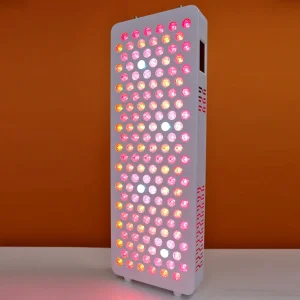
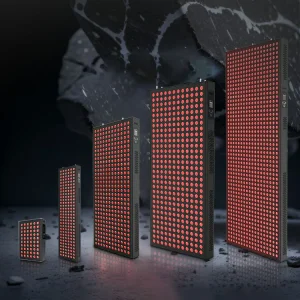
Modern photoprotection devices use targeted wavelengths (specifically 630nm, 660nm, and 850nm NIR) to penetrate skin layers damaged by long-term solar exposure, stimulating mitochondria to accelerate cellular repair, trigger ATP production, and reduce UV-induced erythema.
Established in 2014 in the heart of China's innovation capital, **Shenzhen Rudiz Beauty Co., Ltd.** has grown into a premier global developer and manufacturer of smart skincare technology, anti-aging beauty equipment, and advanced light therapy systems. Over the last decade, we have consolidated our industrial footprint to bridge the gap between scientific aesthetics and volume-scale manufacturing.
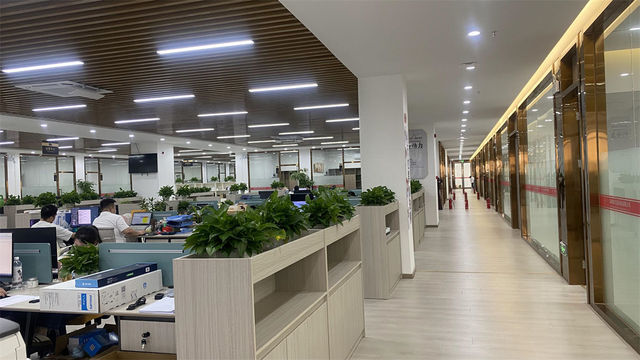
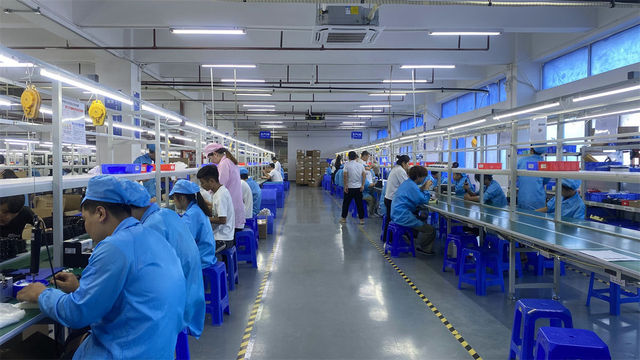
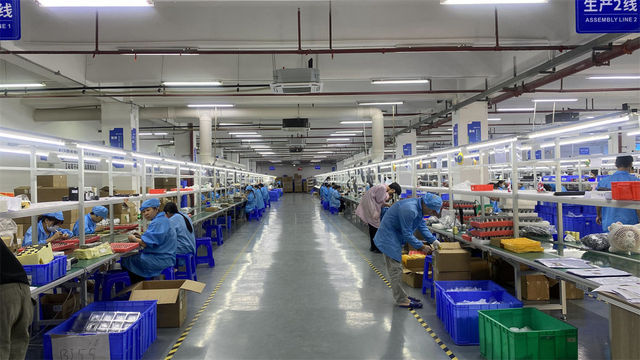
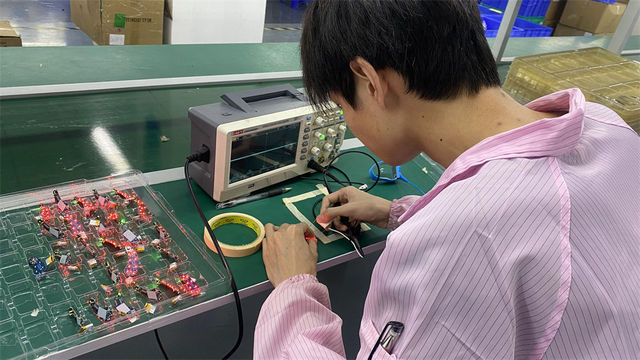
Occupying a **state-of-the-art facility spanning over 10,000 square meters** and supported by an integrated workforce of over 200 skilled operators, industrial engineers, and quality assurance specialists, the company handles the entire product lifecycle under one roof. Our capability spectrum covers full-suite industrial design, advanced R&D, structural engineering, precision injection molding, Cleanroom Class 100,000 optoelectronic assembly, and global regulatory compliance testing.
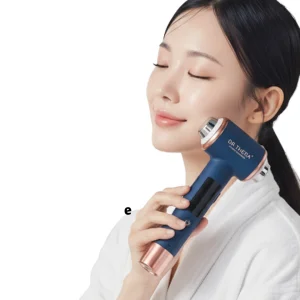
Our multidisciplinary team of engineers is continuously developing next-generation microcurrent, RF (radio frequency), and multi-spectral LED platforms. By controlling every design and assembly stage, we ensure all devices meet the performance, ergonomic, and safety thresholds required by global medical and cosmetic regulatory bodies.
Empirical metrics documenting our production efficiency, infrastructure investment, and global distribution network.
The production of complex skin-repair and photoprotection equipment demands a highly consolidated electronic and optical component supply ecosystem. Shenzhen is globally recognized as the prime hub for this vertical supply alignment. For global distributors and B2B buyers, sourcing from Shenzhen Rudiz Beauty Co., Ltd. provides distinct structural advantages:
Access to specialized optical lens arrays, high-intensity LED chips, RF microcontrollers, and biocompatible medical-grade silicone within a 20-mile radius, drastically reducing R&D lead times.
Our production workflows allow for swift transitions from 3D-printed conceptual mockups to mass mold tooling. Standard OEM prototypes are ready for assessment within 15 to 25 days.
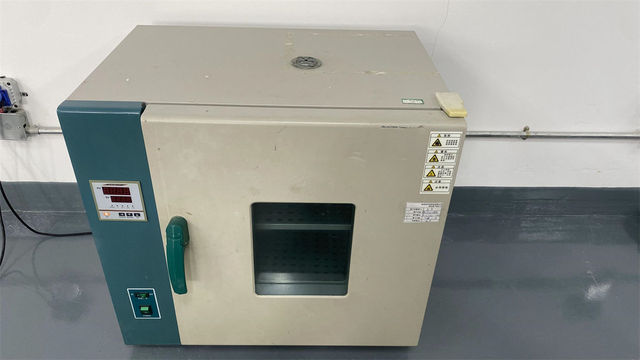
From Incoming Quality Control (IQC) to Outgoing Quality Control (OQC), we implement automated optical inspection (AOI), spectrum calibration, thermal imaging, and high-voltage safety tests.
As the demand for non-invasive light-wave therapy platforms grows, these photoprotective and post-sun repair systems are deployed across various commercial and residential settings:
The aesthetics and light therapy industry is evolving rapidly. Forward-looking buyers must target devices that align with the following emerging technological and consumer patterns:
Modern devices no longer rely on single wavelengths. The industry standard is shifting toward systems that simultaneously deliver blue light (415nm for surface bacteria control), red light (630nm/660nm for dermal layer repair), and near-infrared light (850nm for deep subcuticular recovery and anti-inflammatory action).
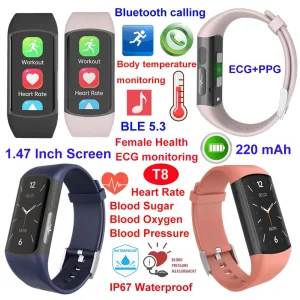
Next-generation devices are incorporating localized skin impedance sensors and optical analysis modules (similar to our Wearable T8 Health Monitoring Device). These systems adjust wavelength intensity, duration, and frequency patterns based on the user's current skin hydration levels and photothermal damage index.
When importing electronic skin devices, international buyers must navigate complex regional compliance regulations. Shenzhen Rudiz Beauty Co., Ltd. ensures frictionless global customs clearance and market entry by adhering to rigorous international standards:
Our manufacturing lines strictly follow FDA standards, CE Medical Directive requirements, and FCC/RoHS compliance pathways, ensuring trouble-free imports into North America and the European Union.
Our production facilities maintain ISO 13485 quality management systems, indicating that every device is built under strict conditions to ensure clinical-grade performance and reliability.
We provide full private labeling, tailored shell modifications, custom wavelength configurations, multi-lingual firmware customization, and robust transit packaging designed for international shipping.
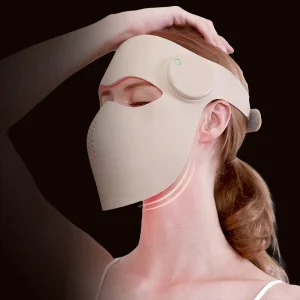
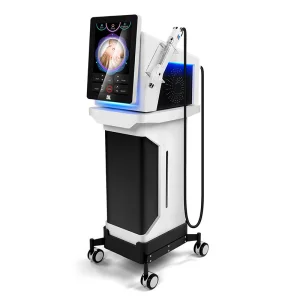
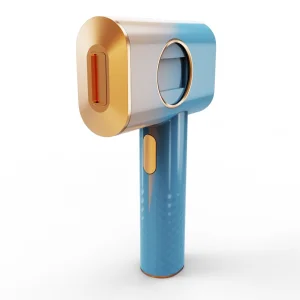
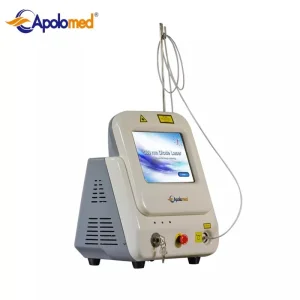
View the rest of our premium cosmetic technology portfolio. From deep thermal RF platforms to targeted laser skin repair solutions, we provide scalable products for your brand.
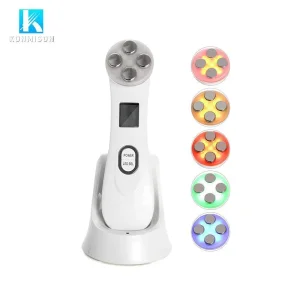
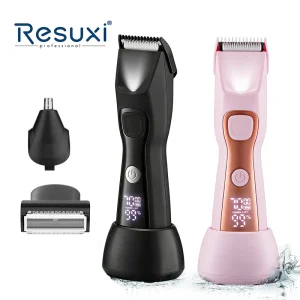
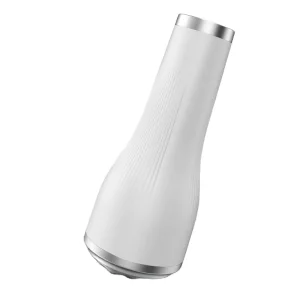
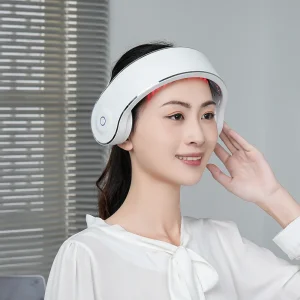
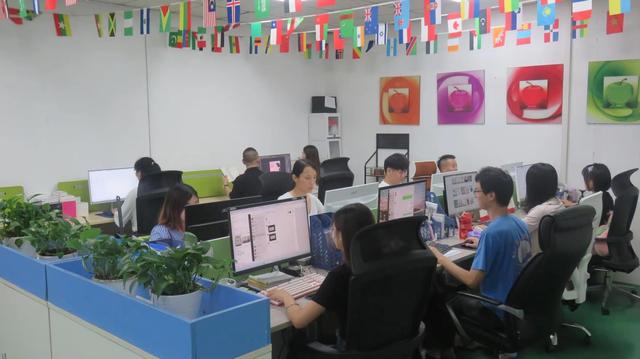
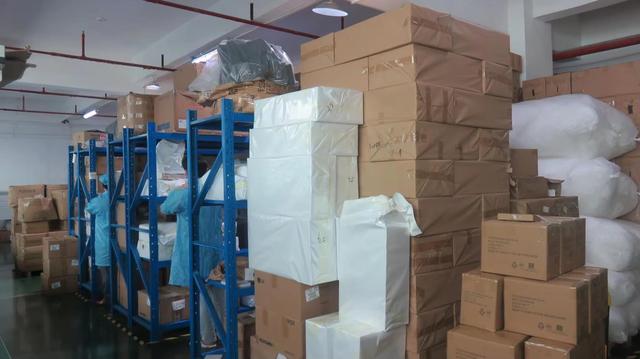
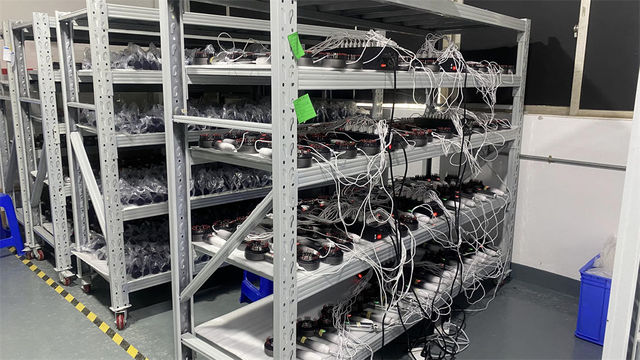
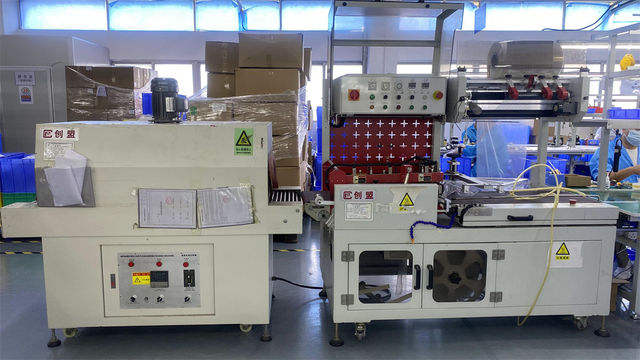
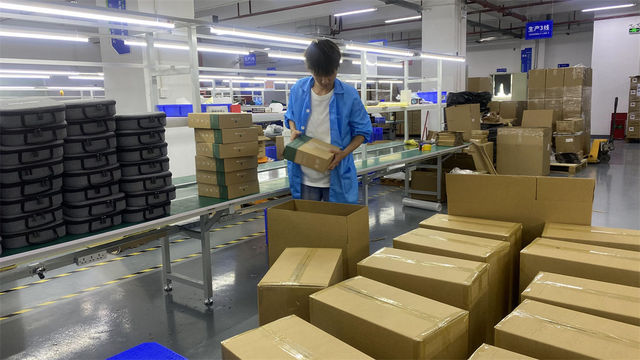
A closer look at Shenzhen Rudiz Beauty's 10,000+ sqm manufacturing facility, Class 100,000 cleanrooms, R&D labs, and quality control departments.
Common questions addressed by our technical engineering and commercial distribution teams for worldwide sourcing managers.
UV exposure generates high levels of reactive oxygen species (ROS) in skin tissue, breaking down collagen and elastin fibers while inhibiting cellular replication. Red light therapy (specifically in the 630-660nm spectrum) and near-infrared light (850nm) penetrate deep into the dermis.
At the cellular level, these photons are absorbed by cytochrome c oxidase within the mitochondria. This process enhances adenosine triphosphate (ATP) production, boosts microcirculation, triggers fibroblast proliferation, and accelerates collagen synthesis. Regular treatment helps repair the cellular matrix and mitigates post-sun redness and photoaging.
As a vertically integrated factory, Shenzhen Rudiz Beauty Co., Ltd. offers full-service OEM and ODM programs:
To maintain our reputation for safety and reliability, we employ a multi-layered quality control framework:
Yes. Most of our advanced light therapy devices and radio frequency systems are certified for international markets. We regularly secure **CE (LVD, EMC), FCC, and RoHS** clearances.
Furthermore, we assist clients in registering under FDA regulations as Class II medical or cosmetic devices, providing the required testing data, optical safety reports (IEC 62471), and biocompatibility documentation.
For standard inventory items, we can ship orders within 5 to 10 working days. For custom OEM orders, timelines generally follow this structure:
While UV rays compromise the outer lipid barrier and degrade deeper structural collagen, controlled radiofrequency energy delivers targeted thermolysis to the dermis without damaging the outer skin layers.
This heat causes immediate contraction of existing collagen fibers and activates a healing response that produces new type I and type III collagen over the following weeks. This process strengthens skin elasticity, rebuilds thickness, and aids recovery from UV-induced degradation.
 Rudiz Beauty