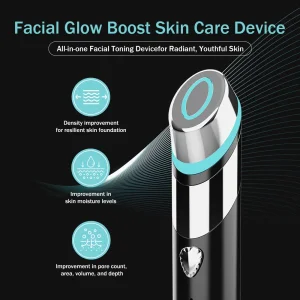
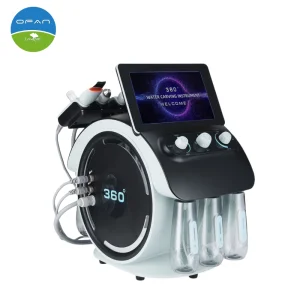
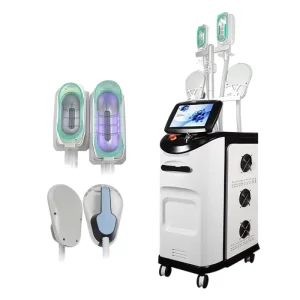
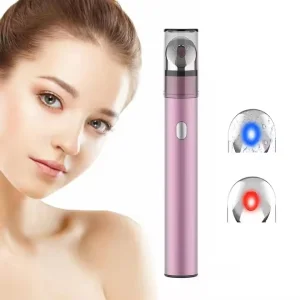
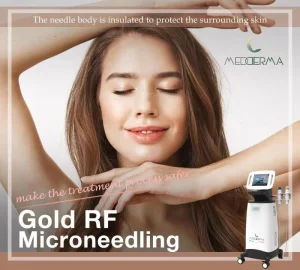
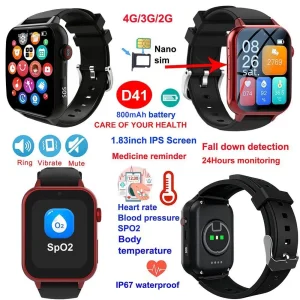
Explore our elite range of medical-grade and home-use personal beauty systems engineered to deliver outstanding clinical results and superior performance.
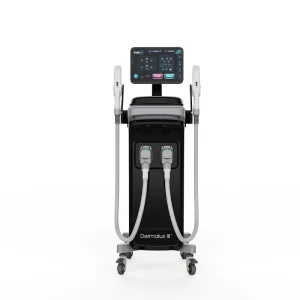
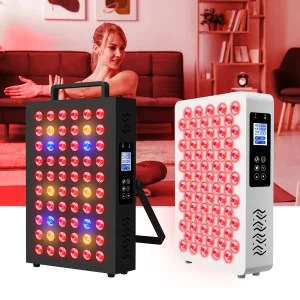
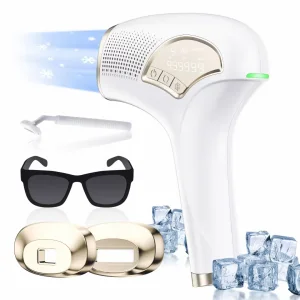
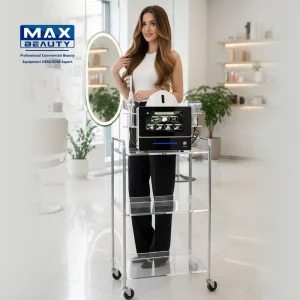
A premier global manufacturing partner integrating smart technology with clinical-grade aesthetic systems to drive profitability and brand equity for distributors worldwide.
Founded in 2014 in the technology and electronics manufacturing hub of Shenzhen, China, Shenzhen Rudiz Beauty Co., Ltd. stands as a world-class authority in the design, development, and high-precision manufacturing of smart skincare, anti-aging, and professional aesthetic systems. Spanning a modern production footprint exceeding 10,000 square meters, our facilities represent the pinnacle of streamlined industrial output and regulatory-compliant engineering.
We believe that a body care device is more than a commodity; it is an investment in consumer trust and physical well-being. By maintaining complete control over the entire supply chain—from industrial drafting, raw material verification, precision molding, and PCB programming to final optical power density testing—we offer our partners consistent quality and high-performance products. Our dedicated staff of over 200 experts works tirelessly under ISO-aligned management systems to supply clients across North America, Europe, the Middle East, and Asia-Pacific.
An analytical breakdown of the scientific and commercial forces shaping the next generation of aesthetic wellness equipment.
The global market for body care and aesthetic devices is undergoing a structural paradigm shift. Traditionally segmented into clinical medical spa equipment and basic consumer electronics, the market has integrated these two domains. Modern consumers demand clinical efficacy—proven reduction in adipose tissue, measurable improvements in dermal density, and swift recovery from inflammatory skin conditions—delivered within the convenience of home-use devices or non-invasive professional systems.
This integration is driven by several key technological advancements:
"The future of body care manufacturing relies on multi-modality integration. Devices that combine optical energy with electrical stimulation and thermal energy consistently outperform single-technology alternatives, delivering faster and more visible results."
How distributors, spa chains, and global brands can mitigate supply chain risks and maximize market differentiation.
Global beauty brands require partners capable of weathering fluctuations in component pricing and electronic chip supply. Rudiz Beauty's deep relationships with component suppliers in Shenzhen guarantee reliable lead times and predictable cost structures.
Navigating the global landscape of medical and aesthetic regulations can be complex. Working with a manufacturer that prioritizes FCC, CE, RoHS, and FDA clearing paths ensures smooth international customs entry and limits legal liabilities.
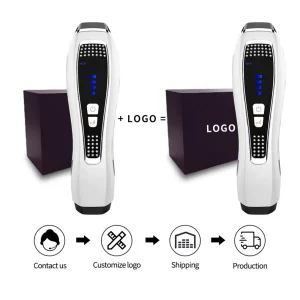
Brand positioning requires customized physical designs, tailored software interfaces (UI), and specific wavelength ratios. Our R&D engineering team offers complete CAD design, rapid prototyping, and custom circuit board layouts.
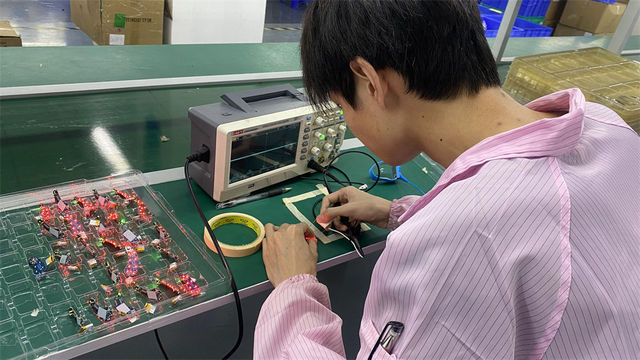
Inside the production environment of Rudiz Beauty—where clinical efficacy and product safety are validated through rigorous diagnostic systems.
Aesthetic devices operate directly on human skin, meaning that build quality, electrical safety, and output stability are critical. Shenzhen Rudiz Beauty Co., Ltd. addresses these needs by combining structural engineering with precise manufacturing controls:
| Production Stage | Core Quality Validation Protocol | Standard & Tolerance Limit |
|---|---|---|
| PCB Design & Assembly | Automated Optical Inspection (AOI) & High-Frequency Stability Testing | Zero defect tolerance for driver IC logic errors |
| Optical Density Verification | Spectroradiometer profiling for LED panels & IPL systems | ±5nm wavelength deviation limit |
| Electrical Safety Insulation | Hi-Pot (Dielectric withstand) & Leakage Current Assessment | Compliant with IEC 60601-1 medical electrical requirements |
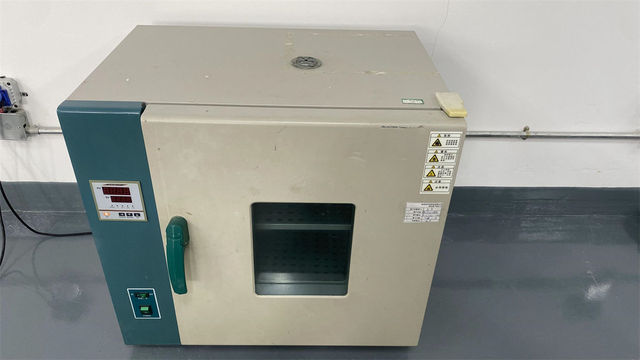
| Environmental Testing | High-temperature and high-humidity chambers for stress simulation | Continuous operation at 40°C & 90% RH for 72 hours |
| Final Operational Validation | 100% active burn-in testing on product assembly lines | Continuous 4-hour cycle validation prior to packaging |
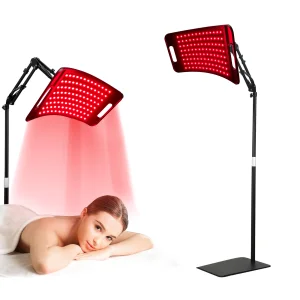
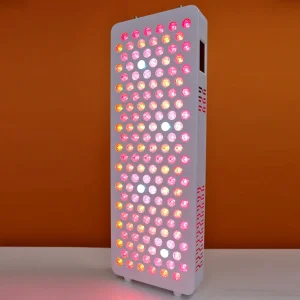
Our engineering division employs advanced thermodynamic simulation software to design cooling arrays for High-Power Red Light Therapy Panels and IPL structures. Without proper thermal dissipation, LED arrays suffer output decay, shifting the light frequency away from the target therapeutic window. Through heat sinks and silent ball-bearing fans, we extend the active lifespan of our emitters to 50,000+ hours, maintaining stable energy density throughout the life of the product.
Anticipating user needs through next-generation diagnostic integrations and IoT connectivity.
The next phase of the beauty device industry will focus on personalization. Single-intensity, static wavelength devices are giving way to intelligent systems that dynamically adapt to the user's specific skin profile. Rudiz Beauty's design team is incorporating smart sensors and machine-learning algorithms to realize these goals.
Key areas on our developmental roadmap include:
Assisting distributors and brands with regulatory filings and custom product packaging.
Entering international markets requires strict compliance with local safety standards. Shenzhen Rudiz Beauty Co., Ltd. provides robust certification support to ensure our products meet or exceed global standards:
North America: We assist in registering devices under FDA requirements and complying with FCC Part 15 regulations for electromagnetic interference. All home-use electronics are tested to confirm they do not interfere with wireless communication channels.
Europe: Our designs adhere to the CE Mark framework, meeting Low Voltage Directive (LVD) 2014/35/EU, Electromagnetic Compatibility (EMC) 2014/30/EU, and RoHS directives to ensure environmental safety and clean waste disposal.
OEM Localization: Beyond certifications, our ODM services include localized instruction manuals, regulatory translation, custom UI design in multiple languages, and packaging structures built to withstand global distribution chains.
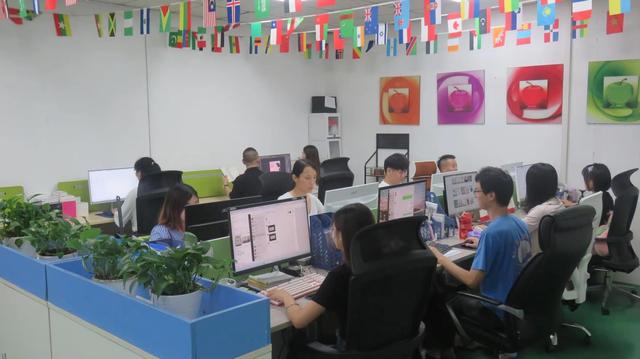
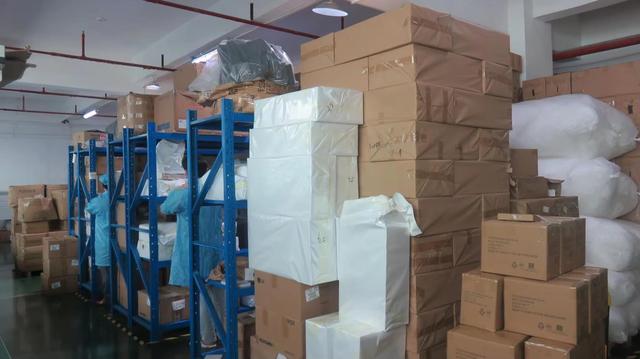
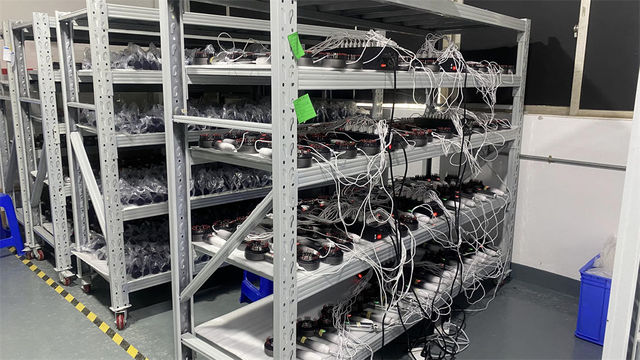
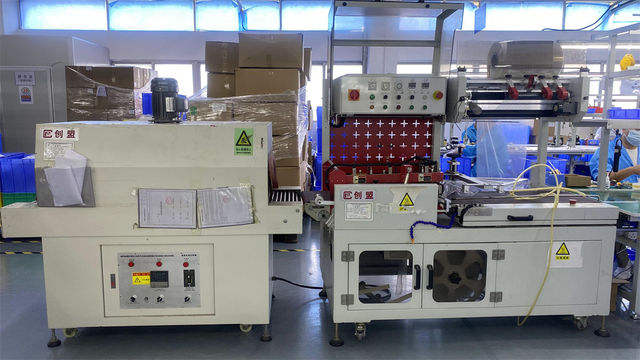
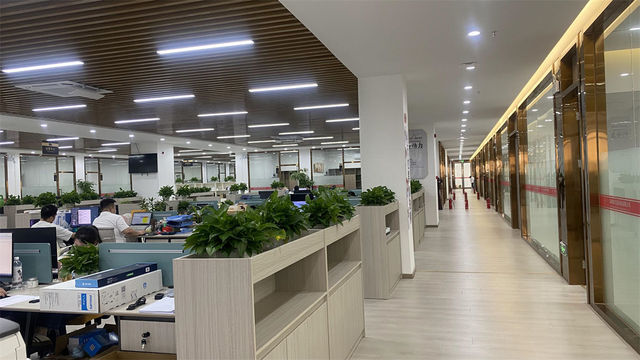
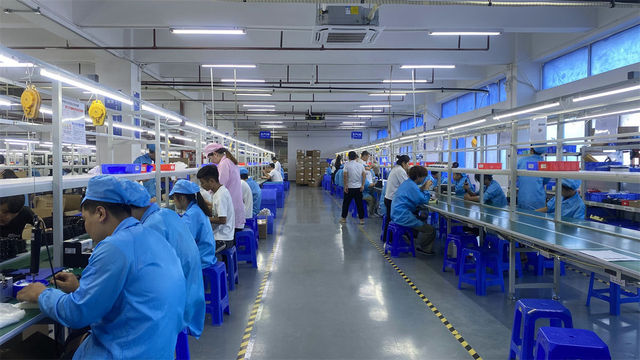
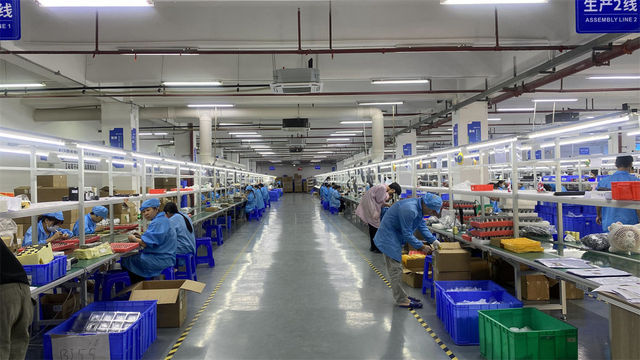
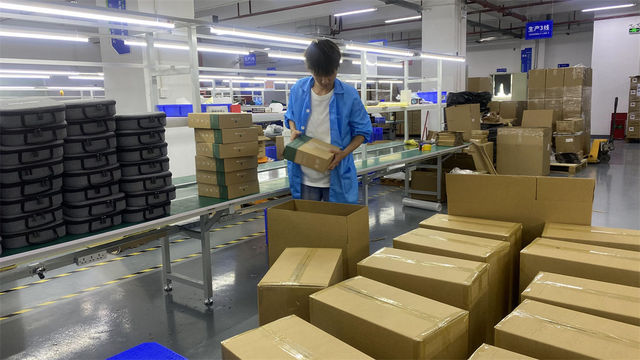
Direct visual insights into our ISO-compliant production floors, R&D laboratories, and cleanroom packaging facilities in Shenzhen.
Answers to critical questions regarding engineering capabilities, ordering terms, and product parameters.
For custom branding (silk-screened logos, custom colors, and retail box adjustments), our standard MOQ begins at 500 to 1,000 units, depending on the device's structural complexity. For deep ODM engineering changes (such as custom PCB designs or shell modifications), MOQs are evaluated individually based on tooling costs and development timelines.
Every batch of red light and near-infrared panels undergoes testing with high-precision spectrometers and optical power meters. We document the exact irradiance (measured in mW/cm² at specified distances like 6 inches or 12 inches) and spectral purity to ensure our panels deliver the correct wavelengths without thermal spikes.
A standard ODM project progresses through four key phases: industrial design and structural modeling (2-3 weeks), prototype manufacturing and initial testing (3-4 weeks), tooling development and sample validation (4-6 weeks), and trial production (2 weeks). The typical timeframe from initial concept to commercial production is roughly 3 to 5 months.
We use lithium-ion polymer batteries certified to UN38.3, MSDS, and IEC 62133 standards. Our PCBs feature dual-protection ICs to prevent overcharging, over-discharging, and short-circuiting. Thermal cut-offs are integrated into high-draw systems to disable charging if the battery temperature exceeds safety limits.
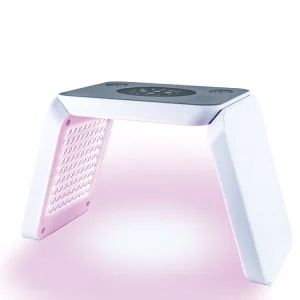
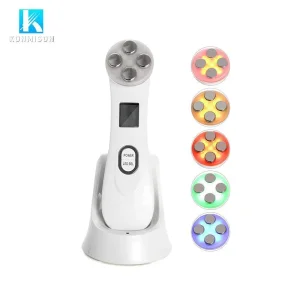
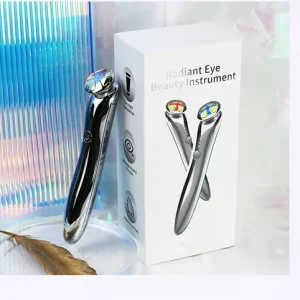
Explore our technical designs, featuring targeted multi-wavelength panels, microcurrent applicators, and professional RF components.
 Rudiz Beauty