CE Certified Eye Massagers Suppliers & Exporters

A Comprehensive Industry Whitepaper on Ocular Wellness Technologies, Advanced Production Standards, and Shenzhen OEM/ODM Manufacturing Superiority.

The Science of Ocular Wellness & Engineering Standards

A rigorous inspection of modern eye massager engineering, physiological benefits, and international safety compliance.

In an era dominated by screens, digital eye strain (asthenopia) and dry eye syndrome have emerged as chronic global health concerns. As a result, the demand for non-invasive, therapeutic eye care solutions has grown exponentially. Advanced CE certified eye massagers sit at the intersection of consumer electronics, biomechanics, and clinical dermatology, offering targeted relief through precision therapies.

From an anatomical perspective, eye massagers operate on the orbital region, stimulating blood circulation around the *orbicularis oculi* muscle and relieving pressure on the optic nerve pathways. Standard high-quality devices combine several physical modalities: multi-frequency vibration, pneumatic airbag compression, graphene thermal heating, and integrated red-light phototherapy. To guarantee safety and efficacy, global distribution of these devices requires strict adherence to regulatory standards, notably the European Union’s CE certification framework.

Pneumatic Micro-Kneading

Utilizes multi-chambered air bladders controlled by precision solenoid valves to simulate human acupressure (Shiatsu) on acupuncture points such as Cuanzhu, Sizhukong, and Tongziliao, promoting lymphatic drainage and mitigating dark circles.

Graphene Thermo-Regulation

Employs far-infrared (FIR) heat at stable temperatures (typically 38°C to 42°C) to dilate blood vessels, improve microcirculation, accelerate cellular metabolism, and thin the lipid layer of the tear film to combat dry eyes.

High-Frequency Resonance

Micro-motors operating at 8000–10000 vibrations per minute tone the delicate eye area, stimulate collagen production in the dermis layer, and help eye creams absorb more deeply.

CE Certification Demystified: Safety & Compliance Standards

Why compliance is the primary marker of credibility, safety, and brand protection in international markets.

For importers, distributors, and spa networks, importing eye massagers into the European Economic Area (EEA) demands proof of CE compliance. This is not merely a label, but a comprehensive legal declaration that the product complies with key European directives:

  • Electromagnetic Compatibility (EMC) Directive (2014/30/EU): Ensures that the high-frequency vibration motors and control microchips do not emit excessive electromagnetic interference, and can operate correctly in the presence of other electromagnetic devices.
  • Low Voltage Directive (LVD) (2014/35/EU): Applies to devices operating within specific voltage ranges, ensuring that internal lithium-ion batteries and charging circuits prevent electrical shock, fire, or thermal runaway.
  • Restriction of Hazardous Substances (RoHS) Directive (2011/65/EU): Restricts the use of specific hazardous materials (such as lead, mercury, cadmium, and hexavalent chromium) in the device's circuitry and silicone contact surfaces.
  • Radio Equipment Directive (RED) (2014/53/EU): Crucial for smart eye massagers featuring Bluetooth connectivity for music integration or app controls.
Regulatory Standard Compliance Target Testing & Verification Protocol
EN 55014-1 / -2 EMC Compatibility Radiated & Conducted Emissions, Electrostatic Discharge (ESD) Immuntiy
EN 60335-1 / -2-32 LVD Safety Structural integrity, insulation, heating and abnormal operation resistance
IEC 62133 Lithium Battery Safety Thermal abuse, vibration, external short circuit, crush and drop testing
EN 62479 / EN 300328 RF Exposure & Spectrum Bluetooth signal stability, SAR evaluation, electromagnetic radiation limits

Shenzhen Manufacturing Advantage: Inside Shenzhen Rudiz Beauty

How our vertically integrated facility and regional ecosystem deliver industry-leading reliability, speed, and cost efficiency.

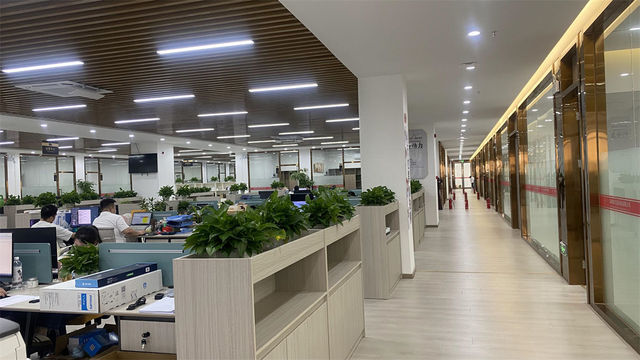
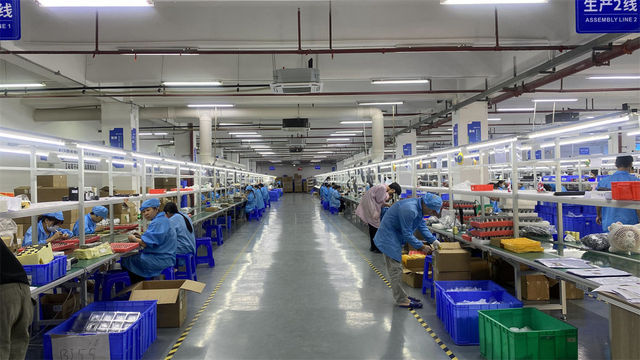
Shenzhen, China, is globally recognized as the silicon capital of hardware innovation and electronics manufacturing. At the center of this ecosystem is Shenzhen Rudiz Beauty Co., Ltd., a professional beauty device manufacturer specializing in smart skincare technology, anti-aging beauty equipment, and advanced aesthetic solutions for global beauty brands, distributors, retailers, and professional skincare businesses.

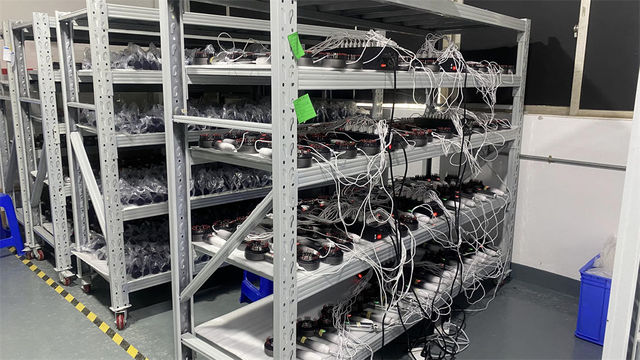
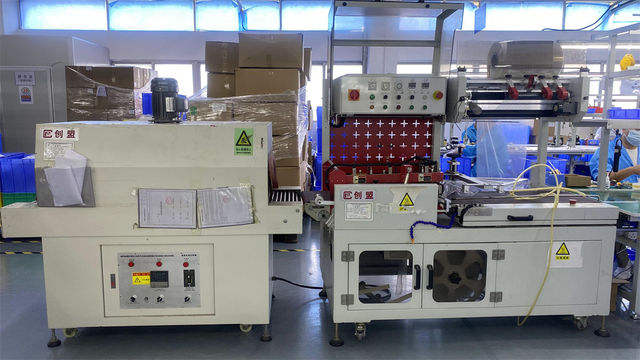
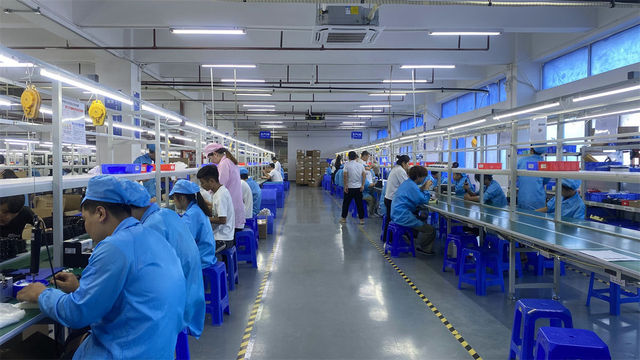
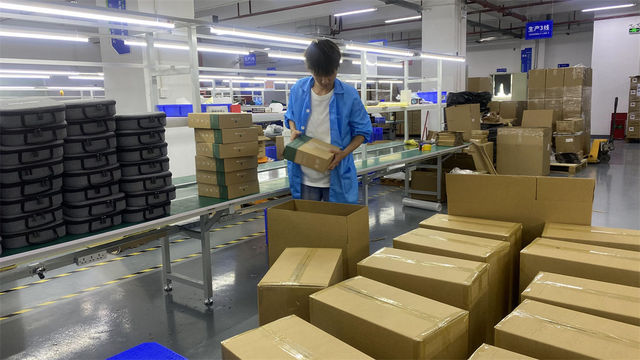
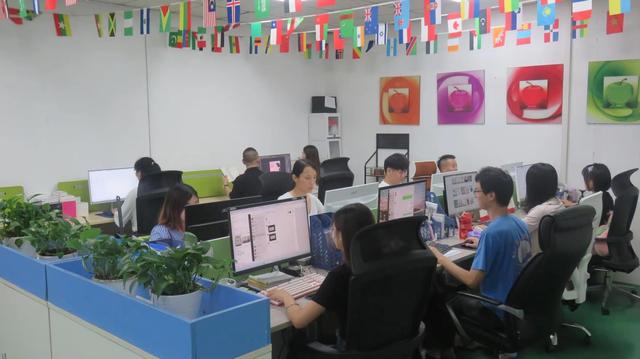
Established in 2014, Rudiz Beauty operates a modern production facility covering more than 10,000 square meters in Shenzhen, supported by a team of over 200 skilled employees. Our operation integrates industrial design, research and development (R&D), injection molding, circuit board assembly (PCBA), quality control, and global sales into a complete production system. This vertical integration allows us to significantly reduce turnaround times and maintain strict control over every stage of production.

10,000+
Sqm Facility Area
200+
Skilled Workers
2014
Year Established
60+
Exporting Countries

Partnering with a specialized manufacturer in Shenzhen provides several key operational advantages:

  1. Advanced Supply Chain Ecosystem: Every component—from lithium batteries with UN38.3 certifications to medical-grade silicone, high-torque micro-pumps, and custom display panels—is sourced within a 50-kilometer radius, drastically lowering logistics costs and lead times.
  2. Robust OEM/ODM Capabilities: We offer comprehensive customization, including structural design, mold manufacturing, cosmetic color matching, UI custom design, private labeling, and packaging. We work closely with our partners to bring unique concepts to market quickly.
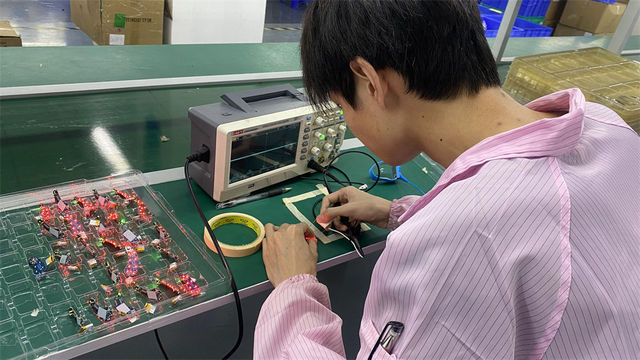
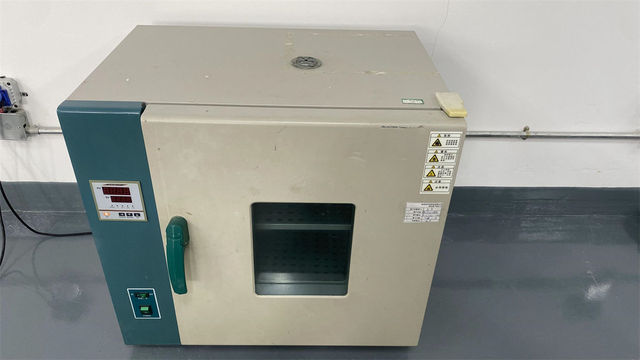
  3. Quality Control Protocols: Our QC program includes inbound inspection of materials, in-process testing of PCBA components, finished product aging tests (running devices continuously for 4–8 hours), battery drop tests, and high-pressure airbag seal tests.

Global Market Dynamics & Emerging Tech Trends

Strategic insights into consumer behavior, technological development, and industry solutions.

Technological Breakthroughs Shaping the Market

The global eye care market is transitioning from simple massage tools to intelligent, integrated therapy systems. Brands looking to capture market share must adapt to several key emerging trends:

  • IoT Integration and Smart Customization: Modern eye massagers are moving away from fixed preset modes. Advanced models feature Bluetooth connectivity, allowing users to customize vibration patterns, air compression intensity, and heat levels directly through mobile apps.
  • Red-Light Therapy Integration: Photobiomodulation using 630nm to 660nm red LED light is increasingly incorporated into eye care devices. This wavelength penetrates the dermis, stimulating collagen synthesis, reducing fine lines, and improving skin elasticity around the eyes.
  • Biometric Feedback & AI Diagnostics: Next-generation devices feature built-in optical sensors that measure skin temperature and pulse rates. AI-driven algorithms then dynamically adjust the massage intensity to suit the user's current stress and fatigue levels.
  • Advanced Sustainable Materials: Skin-contact materials have shifted from PVC to anti-microbial, hypoallergenic polyurethane leather and medical-grade liquid silicone. These materials are easier to clean and cause less irritation to sensitive skin.

Macro Industry Solutions for Global Brands

To successfully capture value across international markets, businesses must match their distribution models with local consumer preferences and regulatory environments:

For Wellness & Med-Spas

Integrating professional-grade eye massagers into clinical skin and beauty programs. Used as a preparatory treatment to relax facial muscles, boost absorption of skin products, and enhance the client's overall experience.

For E-commerce & Retail Brands

Developing high-margin private label product ranges. Fast-turnaround ODM customization, premium structural designs, and custom gift box packaging are key to standing out on platforms like Amazon, Shopify, and in retail stores.

Localized Scenarios & Corporate Procurement Standards

How consumer needs differ across markets, and how global buyers can audit their supply chains.

Target Consumer Scenarios

Understanding where and why consumers use these products is vital for creating effective marketing and product positioning:

  • The Corporate Office & Remote Worker: Digital eye strain is common among office workers. Portable, quiet, foldable eye massagers with USB-C charging are ideal for quick office breaks or midday recovery.
  • Frequent Travelers & Flight Attendants: In-cabin air pressure changes and dry air cause tired eyes and sleep disruption. Compact, lightweight devices with long battery lives and soft travel cases are popular travel accessories.
  • Anti-Aging & Beauty Enthusiasts: Used as part of nightly skincare routines to improve blood flow, reduce morning puffiness, and maximize the performance of premium eye creams.

Global Corporate Procurement Audit Checklist

Corporate procurement teams and supply chain managers must vet factories thoroughly before placing large orders. To minimize risks, audit processes should focus on these key factors:

  1. Component Certification and Traceability: Always verify that lithium-ion battery suppliers possess UN38.3, MSDS, and IEC 62133 certifications to ensure international shipping compliance and eliminate fire hazards.
  2. Factory Quality Systems: Ensure the manufacturer operates under an ISO 9001:2015 certified quality management system. If targeting medical-beauty markets, look for factories with ISO 13485 certification.
  3. Intellectual Property & Patent Protection: Ensure the supplier owns the utility and appearance patents for their designs to avoid patent infringement claims in import markets like North America and Europe.
  4. Social Responsibility & Ethical Labor: Verify compliance with international ethical trading initiatives, such as holding BSCI (Business Social Compliance Initiative) or Sedex audits.

Technical & Procurement FAQ

Get answers to common technical, shipping, and customization questions from our engineering and sales teams.
1. What is the typical lead time for custom OEM eye massager orders?
For standard OEM projects with custom branding and packaging, the typical lead time is 25 to 30 days after design approval and deposit confirmation. For full ODM projects requiring custom structural molds and electronic design, development can take 60 to 90 days, including prototype testing and regulatory approvals.
2. How does the factory ensure battery safety during international transit?
All our eye massagers utilize premium lithium-polymer batteries that undergo rigorous testing. Each batch is shipped with complete MSDS (Material Safety Data Sheets), UN38.3 test reports, and sea/air transport safety declaration certificates. The batteries also feature integrated protection boards to prevent overcharging, overdischarging, and overheating.
3. Can your factory supply custom eye massagers that comply with FDA and CE standards?
Yes. Our production processes are designed to meet international standards. We supply full CE documentation (LVD, EMC, RoHS, RED) for the European market and assist clients in obtaining FDA registration or compliance declarations for the US market, ensuring smooth customs clearance and entry into target regions.
4. What are the minimum order quantities (MOQ) for different customization options?
Our standard MOQ for logo printing and customized retail packaging is 1,000 units. For modifications to materials or housing colors, the MOQ starts at 2,000 units. Full custom ODM designs requiring new injection molds are subject to contract terms, typically starting at 5,000 units.
5. How do you control the temperature accuracy of the graphene heating elements?
Our eye massagers feature integrated thermistors and intelligent microcontrollers that run closed-loop feedback loops. This ensures real-time temperature monitoring, keeping heat within the target range of 38°C to 42°C (±1°C) to prevent hot spots or user discomfort.