Why Knowing How to Choose a Beauty Device Matters?

Time:2026-10-28 Author:Henry
0%

Choosing a beauty device can feel exciting, especially when polished videos show instant, glowing results. Yet the right choice depends on more than appearance, price, or popular reviews. Understanding how to choose a beauty device helps you compare its purpose, technology, safety features, and suitability for your skin.

Real-world details matter. A device may look simple, but its routine can involve charging, cleaning, protective eyewear, or regular replacement heads. Check the manufacturer’s instructions carefully. Look for clear product information, transparent testing claims, and customer support that answers specific questions. Dermatologists and licensed skincare professionals can also explain whether a device fits your skin type, sensitivity, or existing routine. Their guidance is valuable, but it should not replace medical care.

Skin is individual. Results vary.

A red-light device, cleansing brush, or microcurrent tool may suit one person and irritate another. Consider your goals, budget, time, and comfort before buying. Review warnings, recommended usage, warranty terms, and return policies. Avoid products promising guaranteed transformation or overnight perfection. Those claims deserve skepticism. Even careful buyers can overlook small details, such as excessive pressure or poor cleaning habits. That is where this topic becomes practical rather than fashionable. Learning how to choose a beauty device encourages informed decisions, realistic expectations, and safer daily use. It may not produce dramatic results immediately, and that is worth admitting. Consistency, evidence, and careful observation usually matter more than persuasive packaging.
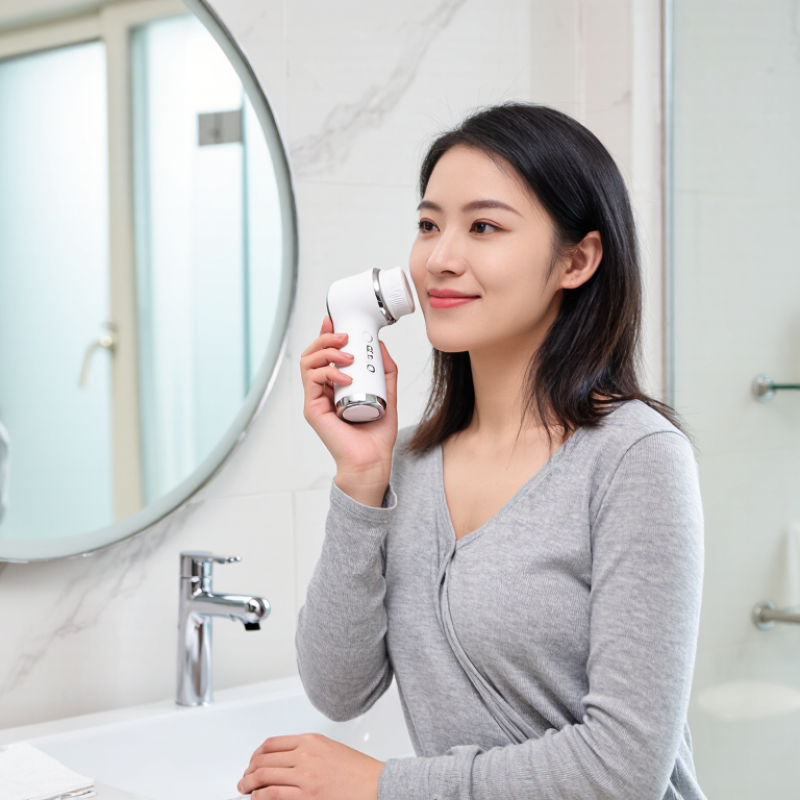
Why Knowing How to Choose a Beauty Device Matters?

Understanding the Main Types of Beauty Devices

Choosing a beauty device matters because each type works differently. A cleansing brush mainly removes surface residue and excess oil. Use gentle pressure, especially around the nose and cheeks. Overuse may leave skin feeling tight or irritated. I learned this after treating “squeaky clean” as a good sign.

LED devices use specific light wavelengths for different skincare goals. Results are usually gradual, not dramatic after one session. Microcurrent devices provide mild electrical stimulation and require consistent use. Ultrasonic spatulas loosen surface debris with water and vibration. These tools can feel impressive, but comfort does not prove effectiveness.

Tips: Check your skin condition first. Read the full instruction manual. Avoid damaged or inflamed skin. Clean the device after every use. Start with the lowest comfortable setting. People with implants, light sensitivity, active skin disorders, or pregnancy-related concerns should seek qualified medical advice before using electrical or light-based devices. A dermatologist can also help identify whether a device suits your skin, rather than relying only on online reviews. Personal experience is useful, but it can be misleading. Skin reacts differently.

Matching Device Features to Your Skin and Beauty Goals

Why Knowing How to Choose a Beauty Device Matters?

Matching Device Features to Your Skin and Beauty Goals

A beauty device works best when its features match your actual needs. Goals come first. For dull-looking skin, gentle light or cleansing functions may support a brighter appearance. For temporary puffiness, cooling features can feel soothing after a long day. Fine lines, uneven tone, and congestion need different approaches, so one device cannot solve everything.

Consider your skin’s sensitivity before choosing intensity, heat, suction, or exfoliation. Dry or reactive skin may need fewer sessions and lower settings. Oily skin may tolerate cleansing features better, but stronger is not always better. I have seen people focus on impressive specifications and ignore comfort. That choice often leads to inconsistent use. Check independent clinical evidence, safety guidance, and the device’s recommended skin types. Stop if you notice burning, swelling, or lasting redness, and seek professional advice for persistent concerns.

Tips: Patch-test on a small area first. Start with the lowest suitable setting. Clean the device after each use. Avoid combining several intense treatments on one day. Keep a simple weekly note about comfort and results. Skin changes. Your routine may need adjustment. A qualified dermatologist can help when acne, pigmentation, or sensitivity does not improve.

Why Knowing How to Choose a Beauty Device Matters?

Matching Device Features to Your Skin and Beauty Goals

Different beauty goals require different device features. Light-based devices are commonly identified by their wavelength ranges: blue light is generally used for blemish-related concerns, red and near-infrared light are associated with skin-rejuvenation applications, while intense pulsed light covers a broader spectrum for selected hair or pigmentation treatments.

The ranges shown are typical technical bands and may vary by device. Wavelength alone does not determine effectiveness; skin type, sensitivity, treatment intensity, eye protection, and professional guidance should also be considered.

Checking Safety, Quality, and Evidence Before Buying

Choosing a beauty device requires more than comparing prices or polished photographs. Safety comes first. Check the intended skin type, treatment area, warnings, and contraindications. The U.S. Food and Drug Administration’s MAUDE database contains millions of medical-device reports, showing why post-market safety deserves attention. However, reports can be incomplete. They are not a perfect safety score.

Quality also hides in small details. Look for clear manufacturer contact information, batch or model identification, cleaning instructions, and a dependable warranty. A clinical-looking label proves little. A 2023 systematic review of home-use light devices found promising results, but many studies used small samples and short follow-up periods. That means evidence may not predict your experience. I have learned this the hard way: a convenient device can still irritate skin when used too often. “Gentle” is not a measurable guarantee.

Tips: Compare independent clinical studies, not only testimonials. Check whether the tested device matches the one you plan to buy. Follow exposure times exactly, and patch-test when appropriate. Stop after persistent pain, blistering, swelling, or unusual pigmentation. Seek professional advice if you use photosensitising medicine or have a skin condition. The American Academy of Dermatology advises consumers to discuss device-based treatments with a qualified dermatologist, especially when risks vary by skin tone. Ask one uncomfortable question: what evidence is missing?

Comparing Usage Methods, Costs, and Long-Term Value

Why Knowing How to Choose a Beauty Device Matters

A beauty device should be judged by usage method, not appearance alone. Home devices offer privacy and convenience, but they require regular use and careful cleaning. Professional treatments usually provide stronger settings and guided operation. They may also involve travel, appointment fees, and recovery time. In practice, a cheaper device can cost more if it stays unused in a drawer. Frequency matters. So does comfort.

Tips: Compare the full cost over six months. Include the device, replacement parts, skincare products, and clinic visits. Check the recommended session length and weekly schedule. A five-minute routine may be easier to maintain than a complicated forty-minute process. Read safety instructions carefully, especially for sensitive skin or existing conditions. A qualified professional can help when the instructions feel unclear.

Long-term value depends on realistic expectations. Some devices may improve the temporary appearance of skin, while others support a consistent care routine. Results can vary with age, skin type, technique, and frequency. Take clear photos under the same lighting. This makes changes easier to evaluate. My first comparison would have focused only on price, but that approach misses maintenance and wasted time. It also ignores whether the method fits daily life. A reliable choice should feel manageable, transparent, and safe over time. Fancy features are not always useful. Simplicity often wins.

Evaluating Results and Adjusting Your Beauty Routine

Choosing a beauty device matters because its value appears in measurable changes, not impressive settings. A practical evaluation starts with one clear goal: smoother texture, reduced puffiness, or a more even tone. Use the device as directed, then photograph the same area weekly in similar daylight. Keep the camera distance, facial expression, and skincare products consistent. Small details improve reliability. Watch your skin.

Results often take several weeks, and early excitement can distort judgment. Compare comfort, dryness, redness, and visible changes together. If your skin feels tight after three sessions, reduce frequency instead of increasing intensity. If no meaningful change appears after a reasonable trial, reconsider the device or the goal. More power is not automatically better. Change one variable at a time, such as session length or weekly frequency. This makes improvements easier to understand.

A sensible routine also respects individual skin conditions. Sensitive, acne-prone, or recently treated skin may need professional guidance before using heat, light, or electrical stimulation. Stop if persistent burning, swelling, or unusual discoloration appears, and seek qualified medical advice. I would also record mistakes, including missed sessions or changing products halfway through. That record may explain inconsistent results. A dated note can be surprisingly useful.

FAQS

What should I check before buying a beauty device?

Check the intended skin type, treatment area, warnings, and contraindications. Look for model details, cleaning instructions, contact information, and warranty terms.

Does a clinical-looking label prove a device is safe?

No. Appearance proves little. Independent evidence, clear instructions, and post-market safety information matter more. Safety reports can also be incomplete.

Are home beauty devices as effective as professional treatments?

Not always. Home devices offer privacy and convenience, while professional treatments may use stronger settings and guided operation. Results vary.

How should I compare the real cost of different devices?

Calculate six months of expenses. Include replacement parts, skincare products, maintenance, travel, appointments, and recovery time. A cheap device may remain unused.

How often should I use a beauty device?

Follow the recommended schedule exactly. More frequent use may increase dryness, redness, or irritation. Five minutes may be easier to maintain than forty minutes.

How can I measure whether the device is working?

Choose one goal, such as smoother texture or reduced puffiness. Photograph the same area weekly, using similar daylight and camera distance.

What should I do if my skin becomes uncomfortable?

Stop if persistent pain, burning, swelling, blistering, or unusual pigmentation appears. Seek qualified medical advice, especially when symptoms continue.

Should I change the intensity when results are slow?

Change one variable at a time. Reduce frequency before increasing intensity if your skin feels tight. More power is not automatically better.

Who should seek professional advice before using a device?

Ask a qualified professional if you have sensitive or recently treated skin. Also ask about photosensitising medicine or existing skin conditions.

What mistakes can make results difficult to judge?

Changing products, missing sessions, and using different lighting can confuse comparisons. Keep dated notes. My own comparisons might have focused too much on price.

Conclusion

Knowing how to choose a beauty device is essential for building an effective, safe, and personalized beauty routine. Different devices are designed for different purposes, such as cleansing, massage, light-based care, or improving the appearance of skin texture. Before making a decision, consider your skin type, concerns, lifestyle, and specific beauty goals. Understanding the device’s functions and matching them to your needs can help you avoid unsuitable products and achieve more meaningful results.

A thoughtful purchase also requires checking safety features, material quality, instructions, and available evidence supporting the device’s intended use. Compare how often it must be used, how easy it is to maintain, the initial cost, and any long-term expenses. After adding a device to your routine, observe how your skin responds and adjust the frequency or method when necessary. With realistic expectations and consistent use, the right device can become a practical part of a balanced beauty regimen.

Henry

Henry

Henry is a dedicated marketing professional with a profound expertise in the company's offerings. With years of experience in the industry, he possesses an impressive understanding of the market dynamics and consumer behaviors that drive success. Henry is committed to sharing his insights through......