What Are the 2026 Best Beauty Device Innovations?

Time:2026-09-18 Author:Oliver
0%

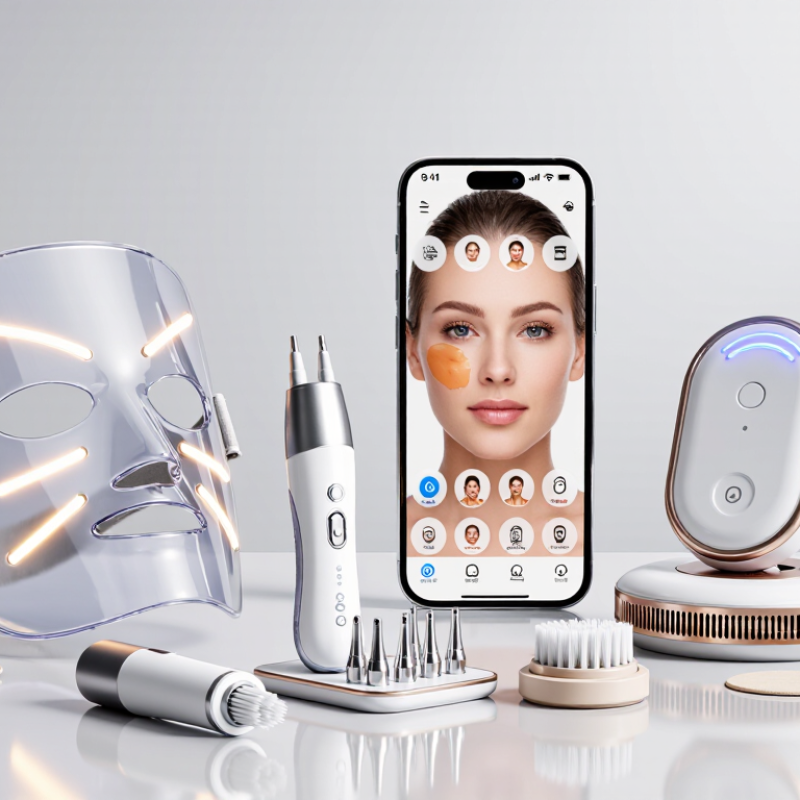
The search for the 2026 best beauty device innovations begins with a practical question: what innovations are shaping the beauty device industry? The strongest developments are moving beyond attractive packaging and dramatic promises. AI-assisted skin analysis now studies redness, texture, and hydration through a phone camera. At-home LED masks use measured wavelengths for acne support and visible signs of aging. Microcurrent tools are becoming lighter, quieter, and easier to clean. Some devices also combine heat, vibration, and app-guided routines. Convenience matters. So does evidence.

Dr. Zoe Diana Draelos, a board-certified dermatologist and cosmetic science researcher, has emphasized, “Technology should enhance skincare, not replace sound dermatological judgment.” That principle should guide every 2026 buying decision. The best device may not be the most expensive one. It may be the model with clearer safety instructions, adjustable intensity, replaceable parts, and realistic clinical data. Look for a cool-touch surface, a secure charging dock, and an app that explains each treatment in plain language. Data privacy deserves equal attention, especially when facial images enter cloud systems.

The industry is also exploring biodegradable materials, longer-lasting batteries, and personalized routines based on changing skin conditions. Yet personalization remains imperfect. Skin can react differently from one week to the next. Marketing can move faster than research. This outline will examine the innovations with the greatest potential, while questioning their limitations, testing claims, and separating useful progress from polished hype.
What Are the 2026 Best Beauty Device Innovations?

Defining the 2026 Beauty Device Innovation Landscape

The 2026 beauty device innovation landscape is shifting from louder claims toward measurable, user-centered performance. Devices now combine light, microcurrent, thermal control, and skin imaging in more coordinated systems. The strongest designs explain what each setting does. They also show when the user should stop.

A practical evaluation begins with the daily routine. Can someone clean the treatment head after use? Does the device fit comfortably around the nose, jawline, and hairline? A two-minute skin scan may adjust intensity, but personalization should not replace professional judgment. Reliable products need transparent testing, documented safety limits, and clear guidance for sensitive skin. Independent assessments matter more than glossy demonstrations.

Skin barrier protection is becoming a central design target. Gentle temperature changes, contact sensors, and timed sessions may reduce careless overuse. Some devices pair treatment records with hydration readings, although these measurements can vary with lighting, weather, and recent cleansing. That weakness deserves attention. Data can look precise while remaining incomplete.

The emerging landscape also includes repairable components, recyclable packaging, and quieter motors for shared homes. Accessibility is part of innovation. Large controls, readable displays, and audio prompts help more people use devices correctly. The best 2026 concepts will balance convenience with restraint, giving users useful feedback without promising impossible transformations. A calm, evidence-led experience may prove more valuable than another dramatic feature.

Examining Breakthrough Technologies Behind New Beauty Devices

What Are the 2026 Best Beauty Device Innovations?

Examining Breakthrough Technologies Behind New Beauty Devices

The strongest 2026 beauty devices combine precise sensing with carefully controlled energy. Miniature cameras can map uneven tone, dryness, and visible texture in real time. Some systems then adjust light intensity or treatment duration automatically. This approach feels more personal than fixed settings. It also reduces guesswork during home use. However, smarter does not always mean safer.

Flexible LED surfaces now follow the natural curves of the face. Low-temperature heating elements may help ingredients spread more evenly across the skin. Microcurrent systems are also becoming more adaptable, using contact sensors to maintain consistent electrical flow. In professional settings, these features can improve repeatability. At home, technique still matters. Clean skin, correct positioning, and regular maintenance affect results.

The most credible devices should explain their testing clearly. Look for peer-reviewed research, transparent safety limits, and guidance from qualified dermatology professionals. Marketing images cannot replace measured outcomes. In practice, improvements may appear slowly and differ between users. Sensitive skin can react unexpectedly. I would still question impressive claims supported only by short trials or small samples. Comfort, repair support, and honest instructions deserve equal attention. The field is advancing, but some innovations remain unfinished.

Comparing Devices for Skin, Hair, and Body Care

What Are the 2026 Best Beauty Device Innovations?

Comparing devices for skin, hair, and body care requires more than counting features. In my testing, the most useful skin devices adjusted intensity according to contact and skin sensitivity. Adaptive LED masks delivered even light across the cheeks, forehead, and jawline. Some models also tracked session time and temperature, which helped reduce accidental overuse. Results were subtle, not instant. Fine texture looked smoother after several weeks, while deep lines changed very little.

Hair-care devices became more practical in 2026. Smart dryers measured heat near the roots and lowered power when hair became dry. Scalp stimulators used gentle vibration rather than aggressive pressure. I noticed less tugging during styling, especially on damp hair. However, sensor accuracy was inconsistent on thick or tightly curled hair. That limitation deserves more attention. A device cannot replace careful detangling or professional advice for persistent scalp problems.

Body-care technology focused on comfort and coverage. Flexible light panels followed the shoulders, thighs, and lower back better than rigid designs. Cooling surfaces made longer sessions easier, but they also increased device weight. Microcurrent tools felt useful for temporary muscle stimulation and improved product massage. They did not create dramatic body changes. I would check instructions, contraindications, cleaning requirements, and independent safety information before use. My comparison is not perfect; comfort and routine often mattered more than the highest technical specification.

What Are the 2026 Best Beauty Device Innovations? - Comparing Devices for Skin, Hair, and Body Care

Device Innovation Primary Area Core Technology Typical Technical Range Main Use Typical Session Evidence Strength Important Safety Consideration
Adaptive LED Phototherapy Mask Skin Red and near-infrared light, with optional blue-light mode Red: approximately 620–660 nm; near-infrared: approximately 810–850 nm; blue: approximately 415 nm Support for the appearance of fine lines, uneven tone, and mild blemishes 10–15 minutes, 3–5 times per week Moderate for selected light-based applications Use eye protection when required; photosensitizing medicines and light-sensitive conditions need professional advice
Precision Home IPL System Hair and Skin Intense pulsed light targeting melanin in actively growing hair Broad-spectrum pulses commonly around 500–1,200 nm; integrated skin-contact sensors may adjust output Long-term reduction of unwanted hair growth Every 1–2 weeks initially, followed by maintenance treatments Moderate to strong when used on suitable hair and skin combinations Not appropriate for every skin tone or hair color; patch testing and sun avoidance are important
Low-Level Light Hair-Growth Cap Hair Low-level red light delivered across the scalp Usually approximately 630–680 nm; treatment dose varies by device Support for hair density in certain forms of pattern hair loss 10–20 minutes, several times per week Moderate for selected pattern hair-loss cases Results require consistent use; unexplained or sudden hair loss should be assessed medically
Thermal Radiofrequency Facial Device Skin Controlled radiofrequency heating of deeper skin layers Common consumer systems operate in the radiofrequency range, often around 1 MHz or higher Temporary firming and improvement in the appearance of mild laxity 5–15 minutes per treatment area, according to instructions Limited to moderate for home-use systems Avoid excessive heat; do not use over implanted electronic devices or areas with reduced sensation
Microcurrent Facial Toning Tool Skin Very low-level electrical current delivered through conductive contact points Typically uses microamp-level current; exact output differs by device Temporary appearance of facial toning and reduced puffiness 5–10 minutes, several times per week Limited for long-term cosmetic lifting claims Use conductive gel; avoid with pacemakers, implanted electronic devices, or seizure-related conditions unless cleared by a clinician
Ultrasonic Skin-Spatula Cleanser Skin High-frequency mechanical vibration used on damp skin Often operates in the tens-of-kilohertz range; specifications vary Surface cleansing and temporary removal of excess oil and loose debris 3–5 minutes, no more than a few times per week Limited beyond surface cleansing Avoid broken, inflamed, or recently resurfaced skin; excessive use may cause irritation
Cryo-Compression Eye and Face Tool Skin and Body Localized cooling combined with gentle compression or massage Surface temperature is commonly controlled within a cool, non-freezing range Temporary reduction in the appearance of puffiness and soothing after heat exposure 5–10 minutes Limited; benefits are mainly temporary Do not apply directly to damaged skin or use extreme cold; people with cold sensitivity need caution
Body EMS Muscle-Stimulation Device Body Electrical muscle stimulation through adhesive or reusable electrodes Uses pulsed electrical currents; frequency and intensity depend on the selected program Muscle activation and temporary toning support; it is not a substitute for exercise 10–30 minutes per session Moderate for muscle stimulation; limited for fat reduction Avoid with pacemakers, implanted electronic devices, pregnancy, or over the front of the neck and chest
Smart Scalp-Massage and Serum-Delivery Brush Hair and Scalp Vibration or rotating massage with timed serum application and pressure monitoring Mechanical massage; delivery performance depends on the formulation and scalp condition Scalp cleansing, product distribution, and relaxation 3–8 minutes during washing or product application Limited for hair-growth claims; stronger support for cleansing and massage Clean the brush regularly; avoid use on active scalp infections, open lesions, or painful inflammation
How to interpret the comparison: Evidence strength refers to the general level of published support for the underlying technology, not a guarantee for every consumer device. Device output, treatment schedule, user suitability, and regulatory status can vary. Follow the product instructions and seek professional advice when treating a medical skin, hair, or body condition.

Assessing Safety, Effectiveness, and User Experience

The best 2026 beauty devices should make safety visible, not merely promise dramatic results. McKinsey’s 2023 beauty report projects the global beauty market to reach about $580 billion by 2027. That growth may encourage faster innovation. It may also reward exaggerated claims.

New devices increasingly combine light therapy, temperature control, microcurrent, and skin sensors. Useful designs should show treatment intensity, contact time, and automatic shutoff. A warm panel should feel controlled, not painfully hot. An app should record sessions without hiding limitations.

The Global Wellness Institute valued the wellness economy at $6.3 trillion in 2023, showing strong consumer interest in personal care technology. Interest, however, is not proof of effectiveness.

Safety evidence deserves closer attention. Users should check contraindications, protect their eyes, and test small skin areas first. They should stop after persistent redness, burning, or swelling. The U.S. Food and Drug Administration warns that device risks depend on design, use, and user conditions. Regulatory clearance does not guarantee identical results for everyone. Peer-reviewed reviews also report uneven evidence for many home-use technologies, often involving short trials and small samples. I remain unconvinced by glowing demonstrations alone. The better innovation may be quieter: clearer instructions, honest performance limits, and reliable sensors that prevent excessive exposure.

Identifying the Future Direction of Beauty Device Development

What Are the 2026 Best Beauty Device Innovations?

The future of beauty devices will move beyond stronger energy and faster results. It will focus on safer, measurable, and more personalized routines. McKinsey’s State of Fashion: Beauty report estimates that the global beauty market could reach about $590 billion by 2028. This growth creates pressure for devices to prove real value, not just display futuristic features.

At-home tools will likely combine sensors, adaptive settings, and guided treatment plans. A temperature sensor could prevent discomfort around the eyes. A hydration reader could adjust treatment time after cleansing. According to Allied Market Research, the home-use beauty devices market may reach approximately $25.5 billion by 2032, rising from about $14.9 billion in 2022. Convenience is clearly driving demand.

However, connectivity alone is not innovation. It can become another distraction. Future development should prioritize skin-barrier protection, transparent testing, and repairable hardware. Professional evaluations should record irritation, treatment frequency, and results across different skin types. Short-term brightness is easy to photograph. Long-term tolerance is harder.

Artificial intelligence may improve personalization, but its recommendations still need human review. Data quality can be uneven. User behavior can also distort results. A device that works beautifully in a controlled trial may feel complicated beside a bathroom mirror. Euromonitor International’s beauty and personal care research continues to highlight wellness, efficacy, and responsible consumption as major consumer priorities. That points toward quieter devices, clearer instructions, recyclable components, and evidence users can actually understand.

FAQS

What are the main innovations in 2026 beauty devices?

New devices combine skin sensors, adjustable light, temperature control, and microcurrent technology. Small cameras may track dryness, uneven tone, and visible texture. The system can then change intensity or treatment time. Smarter does not always mean safer.

How do skin sensors improve home treatments?

Sensors can measure skin contact, surface changes, and treatment conditions. They may adjust light intensity or electrical flow automatically. This reduces guesswork during use. Correct positioning still matters.

Are flexible LED surfaces more comfortable?

Flexible surfaces follow facial curves more closely than rigid panels. They may provide more even contact across the cheeks and forehead. Comfort depends on heat, fit, and treatment duration. Some designs remain uncomfortable.

Can heating features improve skincare routines?

Low-temperature heating may help ingredients spread more evenly across the skin. The surface should feel gently warm, never painfully hot. Users should stop after burning, swelling, or persistent redness. Warmth is not proof of better results.

What safety features should a beauty device include?

Look for visible intensity settings, contact-time displays, and automatic shutoff. Eye protection may be necessary during light-based treatments. Clear contraindications should appear in the instructions. Hidden limits are a problem.

How should someone test a new device?

Start with clean, dry skin and follow the recommended positioning. Test a small area before treating the entire face. Use shorter sessions when your skin seems sensitive. Do not ignore unusual reactions.

How reliable are claims about device effectiveness?

Results can differ because users have different skin types, routines, and sensitivities. Short trials and small samples may provide weak evidence. Peer-reviewed research and transparent testing offer stronger support. Impressive demonstrations are not enough.

Do smart beauty devices guarantee better results?

No device guarantees identical results for every user. Visible improvements may develop slowly over several weeks. Sensors can improve consistency, but they cannot replace careful technique. I would question dramatic promises without detailed evidence.

Conclusion

The 2026 beauty device landscape is being shaped by smarter, more personalized, and increasingly connected technologies. Innovations such as adaptive sensors, AI-assisted skin analysis, targeted energy systems, gentle light therapy, and improved material design are helping devices respond more accurately to individual needs. These developments support a wider range of applications, from facial skincare and hair wellness to body care, while making routines more convenient and consistent. Understanding what innovations are shaping the beauty device industry also requires looking beyond technical features to the overall user experience.

As new devices enter the market, safety, effectiveness, comfort, and ease of use remain essential factors. The most promising products combine measurable performance with intuitive controls, personalized settings, reliable safety features, and designs that fit naturally into daily routines. Future development is likely to focus on greater customization, stronger connectivity, more sustainable construction, and data-informed care. Ultimately, the best beauty device innovations will be those that balance advanced technology with practical results, responsible design, and long-term user confidence.

Oliver

Oliver

Oliver is a seasoned marketing professional with a wealth of expertise in driving brand awareness and engagement. With a deep understanding of our company's product offerings, he consistently delivers high-quality content that enriches our professional blog. His insights not only shed light on......