 Rudiz Beauty
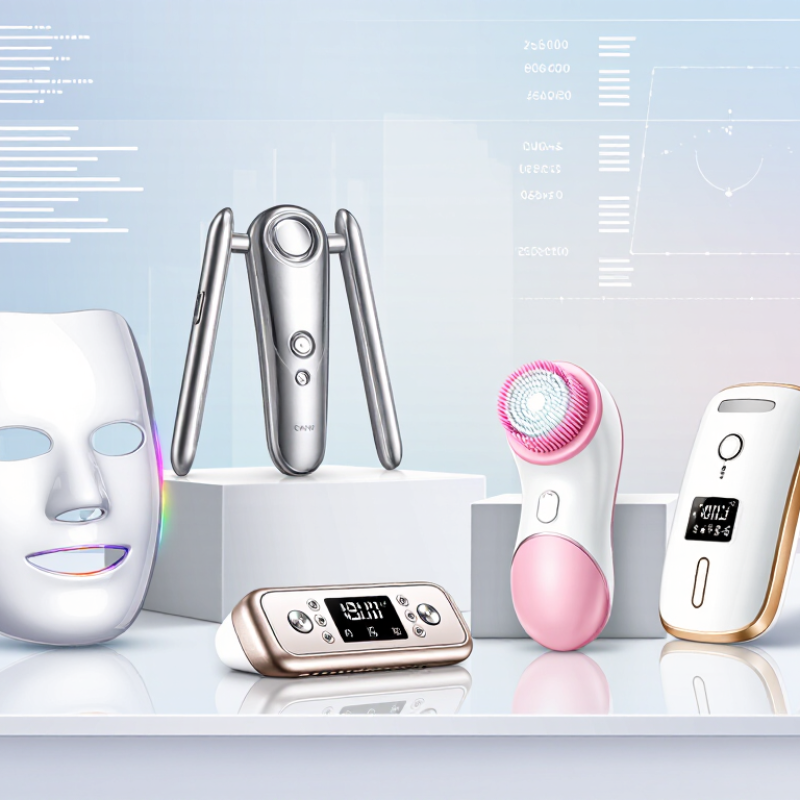
Beauty devices are household tools designed to support skin care through controlled energy or movement. Their effects depend on the device, skin condition, treatment settings, and regular use. In practice, results are usually gradual rather than dramatic. That matters.
LED devices use specific light wavelengths. Red light may support the skin’s natural repair processes, while blue light can affect acne-related bacteria. Results vary, and home devices are generally less powerful than professional equipment. Microcurrent devices deliver very mild electrical signals across the skin. They may temporarily improve the appearance of facial contours by stimulating muscles. The effect is subtle and often short-lived.
Heat-based devices use radiofrequency or ultrasound energy to warm deeper skin layers. This may encourage collagen-related activity, but excessive heat can irritate or damage skin. Cleansing devices use soft bristles, silicone surfaces, or vibration to loosen oil and surface debris. They do not replace gentle cleansing. More pressure is not better.
I recommend following the instructions closely and testing a small area first. Avoid using devices on broken, inflamed, or unusually sensitive skin. People with certain medical conditions or implanted electrical devices should seek professional advice. Even careful routines can produce uneven results. Skin changes with sleep, hormones, weather, and stress, so judging one treatment session can be misleading. Personally, I would track progress with consistent photographs rather than relying on memory. Expectation can distort what the mirror seems to show.
