In today's beauty landscape, many wonder, "what are beauty devices?" These tools promise to revolutionize our skincare routines. From facial rollers to LED masks, they claim to provide professional results at home. Understanding these devices is essential for making informed choices.
Beauty devices often combine technology and skincare expertise. They can provide targeted treatments that address various skin concerns. However, not every device is right for everyone. Choosing the right tool can be overwhelming and requires careful consideration.
With a multitude of options available, potential users should reflect on their unique skin needs. Some devices may deliver impressive results but might not suit all skin types. It’s vital to balance efficacy with safety. As you explore the best beauty devices, remember that personal research and consultation are key to achieving radiant skin.
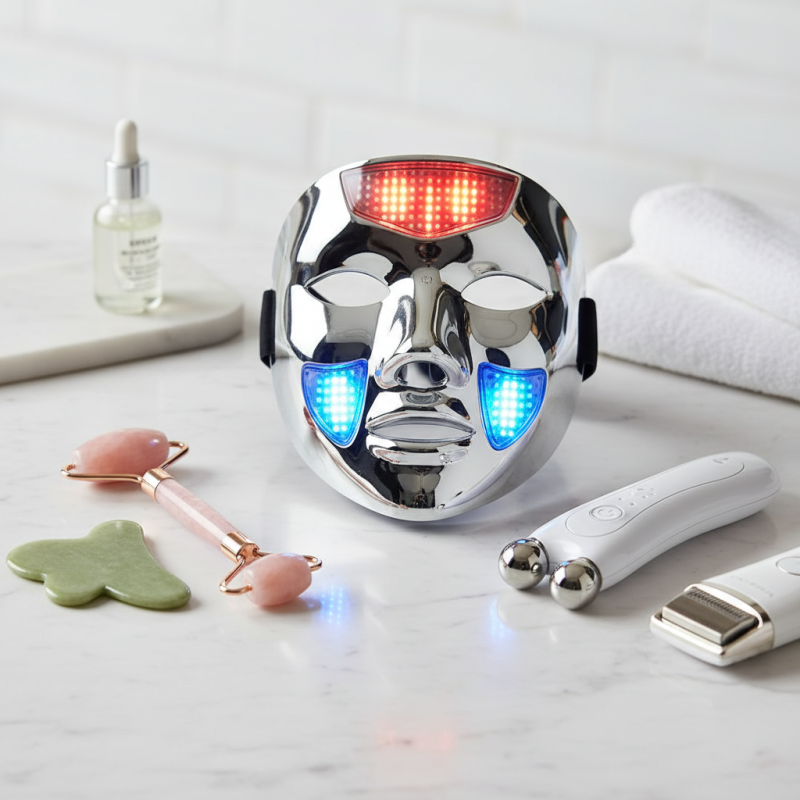
Beauty devices have gained traction in the skincare market, serving various purposes. They range from facial cleansing brushes to LED light therapy masks. A recent report from the Global Industry Analysts projected that the global beauty devices market will reach $86 billion by 2025. This indicates a growing consumer interest in at-home skincare technology.
These devices aim to enhance skincare routines and provide effective treatments. For instance, ultrasonic skin scrubbers help remove dead skin cells and improve product absorption. According to a study published in the Journal of Cosmetic Dermatology, regular use of such devices can significantly improve skin texture and tone. However, it’s essential to choose a device based on your skin type and concerns.
Here are some tips for selecting the right beauty device:
The beauty device market has expanded significantly, driven by consumer demand for at-home skincare solutions. According to a report by Grand View Research, the global beauty device market is expected to reach $62.46 billion by 2025. Users are increasingly interested in devices that offer professional results without the need for salon visits.
Among the various types of beauty devices, facial cleansing brushes and LED masks have gained popularity. Facial brushes provide deep cleansing, helping to remove dirt and makeup residue. LED masks use light therapy to target skin issues like acne and aging. Usage frequency can vary. Overusing these devices might irritate the skin, highlighting the need for moderation and personal assessment.
Microneedling devices have also emerged as a popular choice. They stimulate collagen production but can pose risks if not used correctly. There is a common misconception that more aggressive treatments yield better results. In reality, each skin type has unique needs. Research emphasizes the importance of personalizing your skincare routine with the right device, considering factors like skin sensitivity and goals. Before choosing, consulting with a skincare professional can ensure safer and more effective results.
| Device Name | Type | Main Benefits | Skin Type | Usage Frequency |
|---|---|---|---|---|
| Facial Cleansing Brush | Cleansing | Deep cleaning, exfoliation | All skin types | Daily |
| Microcurrent Device | Anti-aging | Tones facial muscles, lifts skin | Mature skin | 2-3 times a week |
| LED Light Therapy Mask | Skin Treatment | Reduces acne, improves skin tone | Oily/Combination skin | 1-2 times a week |
| At-Home Laser Hair Removal | Hair Removal | Long-term hair reduction | All skin types (not for darker skin) | Every 4-6 weeks |
| Facial Steamer | Hydration | Opens pores, adds moisture | Dry/Dehydrated skin | Weekly |
| Sonic Skin Scrubber | Exfoliation | Removes dead skin cells | All skin types | Weekly |
| Pore Vacuum | Blackhead Removal | Clears clogged pores | Oily skin | Monthly |
| Skin Analyzer | Skin Assessment | Identifies skin issues | All skin types | As needed |
| Facial Roller | Lymphatic Drainage | Reduces puffiness | All skin types | Daily |
When selecting beauty devices, the landscape is vast. Key features play a crucial role in ensuring you make the right choice. Firstly, consider device type. Popular categories include facial cleansing brushes, LED masks, and microcurrent tools. Each serves specific skin concerns. According to a recent industry report, the beauty device market is expected to reach $70 billion by 2025. This underscores the growing trust in technology for skincare.
Next, look at safety and efficacy. Choose devices with clinical backing or certifications. Research shows that 68% of users notice significant improvements after consistent use. Remember that not all devices suit all skin types. Some may cause irritation or adverse reactions. It’s important to listen to your skin and do patch tests where necessary.
Tip: Always prioritize your skin’s needs. Consult with a dermatologist when uncertain about using a particular device. Consider user reviews, but be cautious—they are subjective. The right device should enhance your routine, not complicate it. Reflect on your experiences to find what truly works for you. Ultimately, informed choices lead to the best results in your beauty journey.
When evaluating the effectiveness and safety of beauty devices, it’s crucial to consider various factors. Start by understanding your skin type and specific concerns. Not all devices work for everyone. Look for clinical studies or peer-reviewed articles that back the claims of effectiveness. Real user reviews can also provide valuable insights. Real results often come from consistent use over time. Keep your expectations realistic.
Safety should always be a priority. Check for certifications from reputable health authorities. Users should be mindful of any potential side effects. Some devices may irritate sensitive skin types. Before starting a new treatment, perform a patch test if possible. This helps gauge your skin's reaction to the device.
Gathering information from trusted sources enhances your decision-making process. It may be helpful to consult a dermatologist. They can guide you based on your unique skin needs. You want to ensure any device you choose complements your skincare routine, not complicates it. The beauty industry is vast, and while many devices promise results, a discerning approach is essential.
Incorporating beauty devices into your skincare routine can enhance your results. However, it’s essential to choose wisely. According to a report by the Global Wellness Institute, the beauty devices market is projected to reach $23 billion by 2026. This growth indicates powerful interest in effective skincare tools.
When selecting a beauty device, consider your skin type. For example, those with sensitive skin should opt for gentler options. Consider devices that offer customizable settings. This allows you to adapt the intensity to your comfort level. Furthermore, educate yourself on different technologies. Devices like LED, microcurrent, or ultrasound each have unique benefits.
To successfully integrate these tools, consistency is key. Start small, using your device once a week. Gradually increase the frequency as your skin adjusts. Always follow up with moisturizing products to lock in hydration. Additionally, track your progress. Note how your skin reacts to the device. This reflection helps in adjusting your routine as needed. Remember, what works for one person may not suit another.
: Understand your skin type and concerns. Look for clinical studies that support effectiveness claims.
Yes, real user reviews provide valuable insights into device performance and results.
Check for health authority certifications. Be aware of potential side effects, especially for sensitive skin.
Yes, a patch test helps gauge your skin's reaction to the device before full use.
Start small, use the device weekly, and gradually increase usage as your skin adjusts.
Different devices suit different skin types. Sensitive skin often requires gentler options.
Monitor your skin's reaction and consider adjusting the frequency or intensity of use.
Yes, consulting a dermatologist can provide tailored guidance for your skincare needs.
Note changes in your skin after using the device to help adjust your routine.
No, results vary by individual; what works for one may not work for another.
Beauty devices have become essential tools in modern skincare, designed to enhance and optimize the health and appearance of the skin. So, what are beauty devices? They are electronic or manual tools that offer various treatments to address skin concerns, improve texture, and promote overall skincare efficacy. Common types of beauty devices include cleansing brushes, LED light therapy masks, and microcurrent machines, each serving distinct purposes, from deep cleansing to skin tightening.
When choosing the right beauty device, there are key features to consider, such as the device's function, ease of use, and skin compatibility. Evaluating the effectiveness and safety of these devices is also crucial; checking for clinical studies or user reviews can provide insight into their performance. To achieve the best results, integrating beauty devices into your skincare routine thoughtfully and consistently is important, ensuring they complement existing products and practices for maximum benefit.

Rudiz Beauty