The evolving landscape of beauty technology raises an important question: can beauty devices be used daily? Many users seek the ultimate skin benefits that these gadgets promise. However, the daily use of beauty devices requires careful consideration. Each person's skin is unique, and what works for one may not suit another.
Consistency in the application of these devices can yield visible results. Yet, overusing them may lead to irritation or diminished effectiveness. Understanding your skin type is crucial. If sensitivity or redness occurs, it’s time to reevaluate.
Experts often advise a balanced approach. Use devices like microcurrent or LED tools with caution to avoid overstimulation. It's essential to stay informed about the specific needs of your skin. Trial and error may be necessary. While technology offers improved routines, remaining attuned to your skin’s response is paramount. Listen to your skin—it will guide your beauty journey.
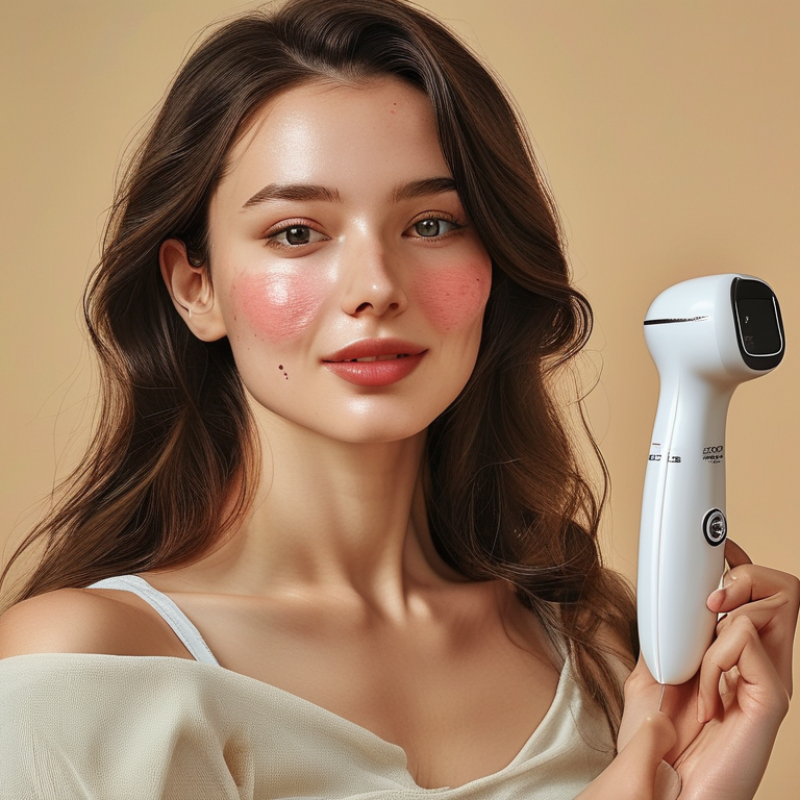
Understanding Different Types of Beauty Devices for Daily Use
Understanding different types of beauty devices for daily use can enhance your skincare routine significantly. According to a recent report by the Global Skin Care Market, the use of at-home beauty devices has increased by 30% in the past two years. This trend reflects the desire for effective solutions within the comfort of home.
Facial cleansing brushes are popular for their deep-cleaning abilities. They can exfoliate the skin and remove impurities more effectively than manual cleansing alone. Regular use can lead to a noticeable glow, but over-exfoliating may cause irritation. Start with two to three times a week.
LED light therapy devices are another exciting option. They help in treating acne and improving skin tone. Studies show that red light can promote collagen production, leading to firmer skin. However, it's essential to choose the right wavelength for your specific skin concerns.
When incorporating beauty devices into your routine, consider your skin type. If you have sensitive skin, use gentler options or start slowly. Balance is essential; devices offer benefits but should not replace professional treatments or organic skincare practices. Explore options that suit your lifestyle, and always reflect on what works best for your skin.
Key Benefits of Daily Use of Beauty Devices Backed by Clinical Studies
Daily use of beauty devices has become a routine for many seeking youthful and radiant skin. Clinical studies reveal significant benefits associated with daily applications. For instance, using microcurrent devices can enhance skin tone and firmness. Over time, consistent application can lead to a more pronounced lifting effect. Research supports the reduction of fine lines and wrinkles with regular sessions.
Additionally, LED light therapy has shown promising results in treating acne and reducing hyperpigmentation. Daily usage encourages skin cell turnover, allowing for a brighter complexion. However, individual skin types and conditions vary, so results may differ. Proper technique is essential. Some users may experience redness or irritation, underscoring the need for careful monitoring.
Hydration and product pairing can amplify the effects of beauty devices. Clinical research suggests that incorporating serums or moisturizing agents can enhance absorption. This combination often yields better results than device use alone. Reflecting on these practices can help users adapt their routines for optimal outcomes.
Daily Use of Beauty Devices Tips for Optimal Results
| Device Type |
Key Benefits |
Clinical Study Findings |
Recommended Use |
| LED Light Therapy |
Reduces wrinkles, promotes collagen |
Study shows 70% improvement in skin elasticity |
5 times a week for 10-15 minutes |
| Microdermabrasion |
Exfoliates dead skin, promotes cell renewal |
Clinical trials show 30% improvement in skin texture |
1-2 times a week for best results |
| Ultrasonic Skin Scrubber |
Deep cleans pores, enhances product absorption |
Studies indicate 50% reduction in blackheads |
2-3 times a week after cleansing |
| Facial Massager |
Improves circulation, reduces puffiness |
Research shows 40% reduction in under-eye swelling |
Daily for 5-10 minutes |
Recommended Daily Routines for Maximum Efficacy in Skin Care
When integrating beauty devices into your daily routine, timing and consistency are crucial. Start in the morning with a gentle cleansing routine. Follow this with a light serum to prepare your skin. Afterward, dedicate 5 to 10 minutes for your beauty device. This helps to enhance absorption of the products applied. Be mindful of the pressure and technique. It’s easy to go too hard, which can irritate your skin.
In the evening, the routine shifts slightly. Try to cleanse your face again, eliminating any daily grime. Then, apply a richer serum or moisturizer. This is an excellent time to use devices like anti-aging tools or LED masks. Reflect on your device usage; if skin reactions occur, adjust the frequency. Over-using devices can lead to sensitivity. Each skin type is unique, so listen to your skin and make personalized adjustments.
Daily Use of Beauty Devices: Tips for Optimal Results
This bar chart illustrates the recommended daily usage time for various beauty devices to achieve optimal skin care results. Regular usage of these devices enhances their efficacy, ensuring a radiant and healthy complexion.
Safety Guidelines and Precautions When Using Beauty Devices Regularly
When using beauty devices daily, safety should always come first. Before starting any routine, read the user manual. Understanding the device's functions helps prevent misuse. For instance, overuse of a device can lead to skin irritation or sensitivity. It's crucial to be mindful of your skin type and condition. For those with sensitive skin, gradual introduction is key. Start with shorter sessions to test your skin’s response.
Hygiene plays a significant role in safety. Always clean your device according to the manufacturer's instructions. This prevents the buildup of bacteria, which can cause breakouts or infections. Additionally, using a patch test on a small skin area helps identify any adverse reactions. If discomfort arises, reassess your approach. Don't ignore signs of distress; sometimes, less is more.
Lastly, take breaks from your beauty routine. Continuous use can yield diminishing returns, and the skin needs time to recover. Reflect on your practices and adjust based on your skin's feedback. Perfecting a beauty routine is an ongoing journey, where listening to your skin is essential. Being aware of its needs can lead to better results in the long run.
Comparative Analysis of Results from Daily vs. Intermittent Device Use
Daily use of beauty devices shows varied results compared to intermittent use. A recent study from the Journal of Cosmetic Dermatology highlights that 57% of participants who used devices daily reported smoother skin. They credited daily routines for improved collagen production. This phenomenon can be linked to the body's natural healing response, stimulated by consistent treatment.
However, not everyone benefits equally from daily use. A significant percentage, around 30%, experienced skin irritation or sensitivity. This raises questions about individual skin types and thresholds for device usage. Intermittent use might be more suitable for those with sensitive skin. According to surveys conducted by dermatology professionals, adjusting frequency can lead to significant improvements in comfort and reduced adverse reactions.
Data from consumer health reports suggests that 65% of users feel overwhelmed by daily use recommendations. Many find it challenging to maintain a daily regimen while balancing other commitments. This dilemma highlights the need for personalized beauty routines. In essence, while daily device use has its merits, balancing it with personal comfort and skin response is crucial for optimal results.
FAQS
: Daily use can enhance skin tone, firmness, and reduce fine lines. Consistency leads to better lifting effects.
It treats acne and reduces hyperpigmentation. Daily use encourages skin cell turnover, resulting in a brighter complexion.
No, results vary due to individual skin types and conditions. Some may see dramatic improvements, while others may not.
Users may experience redness or irritation. It's essential to monitor skin response and adjust usage accordingly.
Pairing serums or moisturizers with devices enhances absorption, often yielding better results than using devices alone.
Daily use can lead to smoother skin and better collagen production, but intermittent use may suit those with sensitive skin.
Many feel overwhelmed by daily recommendations. Balancing routines with other commitments can be difficult.
Proper technique is crucial. It can significantly influence the effectiveness and safety of the treatment.
Around 30% of users reported skin irritation. Personal thresholds can vary, so adjustments may be necessary for comfort.
Reflecting on individual skin responses and comfort levels can help tailor routines for better outcomes and enjoyment.
Conclusion
The article explores the question, "can beauty devices be used daily," by examining various types of beauty devices designed for everyday use. It outlines the significant benefits of consistent use supported by clinical studies, highlighting their effectiveness in enhancing skin health and appearance. Additionally, the article provides recommended daily routines for users to achieve optimal results while emphasizing safety guidelines and precautions to ensure proper usage.
Furthermore, a comparative analysis is conducted between daily and intermittent device use, showcasing the superior outcomes derived from regular application. This comprehensive approach aims to equip readers with the knowledge to incorporate beauty devices into their daily skin care regimen effectively.

 Rudiz Beauty