Starting a beauty business with beauty devices requires more than attractive equipment and confident marketing. It demands practical experience, informed decisions, and consistent client care. Before choosing a radiofrequency machine, LED mask, or microcurrent device, study its intended use, training requirements, maintenance needs, and realistic results. Your clients will notice the difference.
Dr. Dennis Gross, dermatologist and founder of Dr. Dennis Gross Skincare, says, “Your skin is an investment, not an expense.” This principle applies to your business strategy. Invest in certified equipment, professional education, clear consultations, and reliable aftercare. Avoid promising dramatic transformations. Explain what each device can support, how many sessions may be needed, and when a client should seek medical advice.
This guide explores how to start a beauty business with beauty devices through a practical, safety-focused approach. It covers market research, business positioning, supplier checks, treatment protocols, hygiene, staff training, pricing, and client retention. Keep detailed service records. Review your results honestly. Some devices may look impressive but produce weak returns without skilled operation and suitable clients. That is an uncomfortable lesson.
Your treatment room should feel precise, not improvised. Clean cables, visible sanitation procedures, calibrated equipment, and clear consent forms build trust. Check local licensing, insurance, advertising, and consumer-safety requirements before opening. Regulations differ by location. A careful owner knows when professional legal or medical advice is necessary. Growth can wait. Safe, credible service cannot.
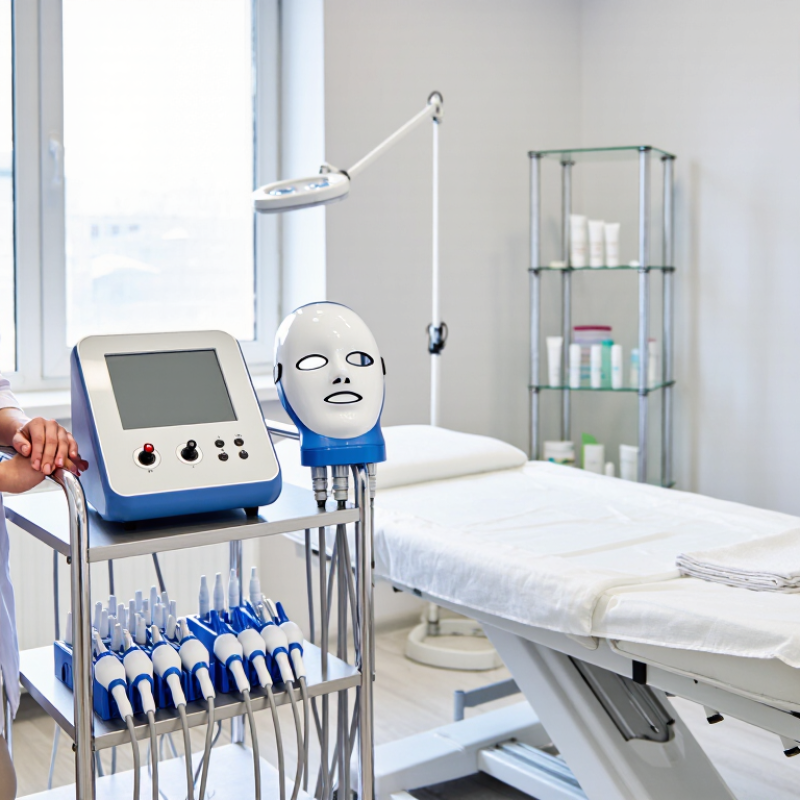
Define Your Beauty Device Business Concept and Target Market
A beauty device business starts with a clear promise, not a crowded product list. Decide what problem you want to address, such as uneven skin texture, home facial care, or scalp massage. Your concept should explain the device’s purpose, user experience, and expected routine in simple language. Avoid promising medical results unless qualified evidence supports the claim.
Study your target market through interviews, surveys, and small product tests. Speak with potential customers in different age groups and note their habits, budgets, concerns, and comfort with technology. A busy professional may value a five-minute routine, while a skincare beginner may need gentle settings and clear instructions. I once assumed customers wanted more functions; feedback often showed that easy cleaning mattered more. That assumption needed correction.
Tips:
Create one customer profile before designing advertisements. Record common questions about safety, charging, skin sensitivity, and maintenance. Consult qualified beauty or health professionals when technical claims arise. Check applicable product, advertising, electrical, and consumer-safety requirements in each sales region. Use plain warnings and realistic usage guidance. Small details build trust. A device that looks impressive but feels confusing may lose customers quickly. Test the concept with a limited group, document their feedback, and revise the product description before expanding.
Research Regulations, Safety Standards, and Product Requirements
How to Start a Beauty Business with Beauty Devices
Before selling a beauty device, identify the rules in every market you plan to enter. Classification can depend on the device’s energy source, intended use, and advertising claims. A tool described as cosmetic may face stricter oversight when it claims to treat pain, disease, or skin conditions. Check official regulatory websites, import requirements, and local electrical safety rules. Do not rely only on a supplier’s brochure.
Request complete technical documents from the manufacturer or supplier. These may include test reports, risk assessments, user instructions, materials information, and labeling files. Confirm electrical safety, electromagnetic compatibility, heat control, and skin-contact safety. For light-based or heat-producing equipment, review exposure limits and emergency shut-off features. Keep records of batch numbers and maintenance checks. Small details matter.
Train every operator before launch. They should understand contraindications, cleaning procedures, patch testing, safe settings, and incident reporting. Advertising should describe realistic cosmetic benefits and avoid guaranteed results. A simple claim review by a qualified regulatory consultant can prevent expensive changes later. Your first checklist may be incomplete. That is normal, but ignoring gaps is not. I would also test instructions with someone unfamiliar with the device. Confusion often appears before a customer reports it. Keep customer consent forms, service records, and complaint logs in a secure system. Review them regularly.
Select Reliable Beauty Devices and Build a Supplier Network
A beauty-device business starts with dependable sourcing, not attractive packaging. McKinsey’s 2023 beauty report estimates that global beauty sales may reach about $580 billion by 2027. This growth creates opportunity, but it also raises customer expectations for safety and performance.
Choose suppliers that provide traceable specifications, test reports, and stable production records. For light-based devices, request photobiological safety testing under IEC 62471. For electrical products, review applicable IEC 60335 safety requirements. These documents do not replace local compliance checks. They provide a useful starting point.
Request samples from at least three factories. Test charging time, heat, battery life, noise, and surface durability. Record every result. A supplier should explain failed tests instead of hiding them. I once treated a polished sample as proof of quality. It was not. Mass production exposed loose connections and uneven output.
Build a network, not a single dependency. Keep one primary supplier, one qualified backup, and a separate source for critical components. The Reshoring Institute’s supplier-risk research emphasizes the value of diversified sourcing during disruption. However, adding suppliers can create inconsistent parts and instructions. That risk needs control.
Use one technical file for each device. Include approved drawings, inspection limits, packaging requirements, and change-control rules. Audit factories periodically, even after successful orders. McKinsey also reports that consumers increasingly value product quality and trust, not only novelty. Your website should therefore show realistic usage guidance, maintenance details, and clear limitations. Avoid exaggerated claims. A reliable supplier network protects both customer confidence and your cash flow.
Create Pricing, Branding, Sales, and Customer Support Systems
Starting a beauty-device business requires more than attractive equipment. I learned this after testing a small facial-care setup with twelve early customers. Pricing should include device costs, training, packaging, payment fees, and service time. A simple spreadsheet exposed expenses I had ignored. Set three offers: an entry session, a standard package, and a monitored premium plan. Keep every price easy to understand. Avoid medical promises. Explain intended use, limitations, cleaning steps, and when customers should seek professional advice. Review local requirements before selling or demonstrating any device.
Branding should feel consistent in person and online. Use one clear promise, calm colors, and photographs showing real treatment spaces. Avoid edited “instant result” images. Record device specifications and customer feedback in a shared file. That evidence supports honest content. Sales conversations improve when staff ask about routines, sensitivity, goals, and previous reactions. Demonstrate a device on a small area first, then explain expected sensations. A short script helps, but it should not sound robotic. I once pushed a bundle too early. The customer needed education, not pressure.
Customer support begins before payment. Send a care sheet with usage frequency, storage instructions, cleaning reminders, and contact details. After the first purchase, check in within three days. Ask about comfort, results, and confusion. Log every question, including repeated ones. Those patterns reveal weak instructions. Offer a clear replacement and refund process, subject to applicable rules. Train staff to pause service when irritation or unusual discomfort appears. Keep records secure and limit access. Mistakes still happen. Monthly reviews can find them before they become habits.
How to Start a Beauty Business with Beauty Devices
Example unit economics by retail price tier (USD per device)
This planning model shows how pricing, branding, sales, fulfillment, and customer support affect gross profit.
The model assumes a 3.2% payment-processing fee, a fixed fulfillment cost of $8 per unit, and a $5 warranty and support reserve.
Adjust the landed cost and support reserve with your supplier quotes and service data before setting the final price.
Launch the Business and Improve It Through Performance Tracking
Starting a beauty device business requires more than attractive equipment and polished demonstrations. Performance tracking turns daily activity into business decisions. McKinsey’s The Beauty Market in 2023 report projected the global beauty industry could reach approximately $580 billion by 2027. That growth creates opportunity, but competition will expose weak operations quickly.
I would track consultations, device demonstrations, conversion rates, repeat visits, treatment time, refunds, and customer satisfaction. A simple dashboard can reveal useful patterns. For example, many consultations may end without purchases because explanations feel too technical. Another device may sell well but create longer service times. That difference affects profit. Review results weekly, then test one change at a time. Record the date, staff member, offer, and customer response. Performance tracking is not perfect. Human feedback can be inconsistent, and early data may mislead.
Tips:
Set three monthly targets, not fifteen. Measure conversion rate and gross margin together. Ask customers what felt confusing. Keep before-and-after records only with clear permission. Protect personal information and follow applicable safety requirements.
Euromonitor International’s Beauty and Personal Care 2024 analysis identified premiumisation and at-home routines as important category influences. Use that context carefully. Do not assume every customer wants advanced technology. Separate first-time buyers from returning users, then compare their behavior. I would also review negative feedback before celebrating sales growth. A rising order count can hide rising complaints. Improve training when staff describe benefits differently. Update scripts after observing real conversations, not guesses. Monthly reviews should include one uncomfortable question: what evidence suggests this business decision was wrong?
Conclusion
Starting a beauty business with beauty devices requires a clear concept, a well-defined target market, and a practical understanding of customer needs. The first step in how to start a beauty business with beauty devices is to decide which services or products you will offer, who they are for, and how your business will stand out. You should also research applicable regulations, safety standards, labeling expectations, training needs, and product requirements before selecting any equipment.
Choose reliable devices with appropriate documentation, consistent performance, and dependable after-sales support. Building relationships with trustworthy suppliers can help ensure product quality and stable inventory. Next, develop pricing that reflects costs, value, and market conditions, while creating a professional brand, sales process, and customer support system. After launching, track key results such as sales, customer feedback, repeat purchases, service quality, and operating costs. Use these insights to improve your offerings, strengthen customer trust, and build a sustainable beauty device business over time.

 Rudiz Beauty