Home beauty devices have gained popularity, but the question remains: are home beauty devices safe? According to Dr. Emily Meyer, a dermatologist, “Consumers must be cautious. Not all devices are created equal.” This highlights the need for careful consideration when choosing these products.
Understanding the safety and effectiveness of home beauty devices is essential. Many people invest in these tools, hoping for professional-level results at home. However, the lack of regulations may lead to potential risks. Consumers often overlook the instructions or apply the devices incorrectly.
While some devices can provide benefits, others may cause unwanted reactions. Knowledge and awareness are crucial. Regular consultations with professionals can help users make informed decisions. As the beauty tech industry evolves, ongoing research and expert advice will remain vital in ensuring safety for consumers.
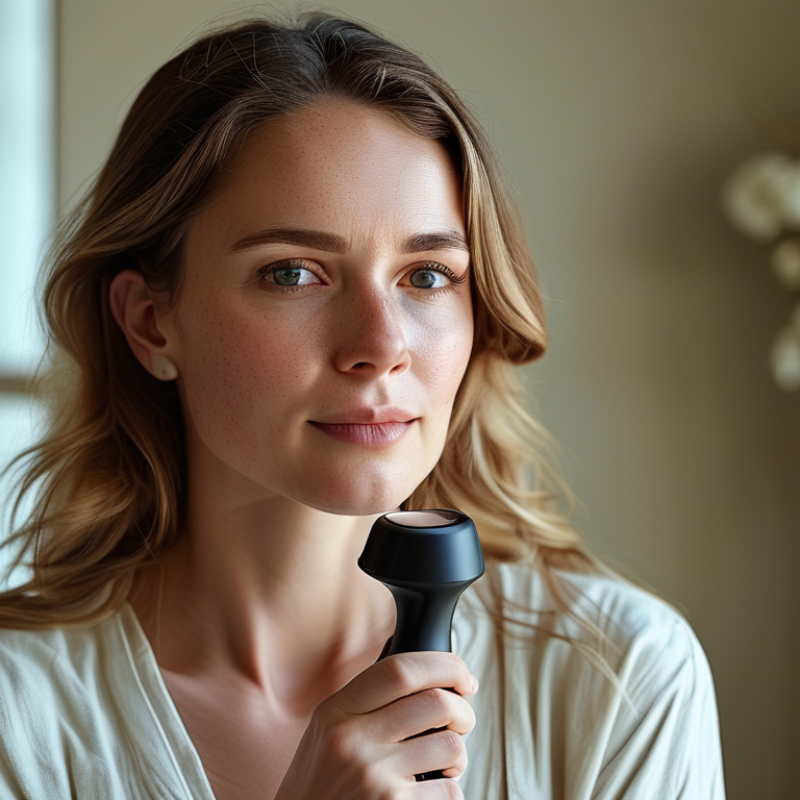
Home beauty devices have become popular among individuals seeking to enhance their skincare routine. These tools range from facial cleansing brushes to LED masks. However, it’s essential to understand their proper usage for safe and effective results. Many users overlook the need for proper hygiene, which is crucial. Always clean your devices before and after each use. Dirt and bacteria can lead to skin irritation or breakouts.
When selecting a device, consider your skin type. Not every device suits all skin types. For sensitive skin, opt for gentler options. Overusing devices can also lead to skin damage. Moderation is key. It’s wise to start with shorter sessions to gauge how your skin reacts.
Tip: Always perform a patch test before trying new devices. This simple step can prevent adverse reactions. Educate yourself on each tool’s functionality. Misuse can cause harm rather than provide benefits. Research tutorials from dermatology experts to ensure you're using the devices correctly. Emphasizing safety and informed usage is vital for maintaining skin health.
| Device Type | Common Uses | Skin Types | Safety Concerns | Recommended Usage |
|---|---|---|---|---|
| LED Light Therapy | Acne treatment, anti-aging | All skin types | Eye protection needed, possible irritation | 2-3 times a week |
| Microdermabrasion | Exfoliation, scar reduction | Oily, normal | Skin sensitivity, post-treatment redness | Once every 1-2 weeks |
| Facial Steamers | Hydration, unclog pores | Dry, combination | Burn risks, overuse can irritate skin | Once a week |
| Ultrasonic Skin Scrubbers | Deep cleansing, exfoliation | Oily, acne-prone | May cause redness, improper use can damage skin | Once a week |
| At-Home Laser Devices | Hair removal, skin rejuvenation | All skin types (check specific device) | Potential for burns, incorrect settings may cause damage | Every 4-6 weeks |
Home beauty devices have gained popularity for their convenience and effectiveness. These devices vary widely, offering multiple functions to cater to different skin needs. Common types include facial cleansing brushes, LED light therapy masks, and microcurrent devices. Each serves a distinct purpose. Cleansing brushes effectively remove dirt and impurities, promoting clearer skin. LED masks target issues like acne and signs of aging through specific wavelengths of light. Microcurrent devices stimulate muscles for a lifted, toned appearance.
While these devices can be beneficial, safety is paramount. It’s essential to follow the manufacturer's instructions carefully. Overuse or misuse can lead to skin irritation or other adverse effects. Regularly check for any signs of skin response. If irritation occurs, discontinue use immediately. Always consider your skin type when choosing a device. Not all devices suit every skin type, and a personalized approach is vital.
Tips: Start with lower settings on devices, especially if you are new to them. Always patch-test a device on a small area before widespread use. Don't ignore your skin’s reactions; they can guide you in finding the right routine and devices for you.
This chart illustrates the popularity of various types of home beauty devices based on market trends. Microdermabrasion devices lead in popularity, followed by LED therapy. Each device serves different skin care functions and has varying safety profiles.
Home beauty devices are becoming more popular among consumers seeking convenience and effective skincare solutions. According to a recent report by Grand View Research, the global market for at-home beauty devices is expected to reach $3.63 billion by 2025. This growth illustrates the increasing reliance on technology for personal care.
One potential benefit of these devices is their ability to enhance skin appearance. For example, many devices utilize LED light therapy, which studies show can improve skin tone and reduce acne. Additionally, microcurrent devices may help in lifting and toning the skin, offering an non-invasive alternative to cosmetic procedures. It's essential to research and choose devices based on their safety and effectiveness to ensure you achieve the desired outcomes.
**Tip:** Start slow with home devices. Limit usage to avoid skin irritation. Always perform a patch test before fully integrating a new product into your routine.
Consider that not all devices are suitable for every skin type. What works wonders for one person may irritate another's skin. Be mindful of this when selecting a product. Professional consultations can provide tailored advice.
**Tip:** Keep your skin's unique characteristics in mind and consult a dermatologist to discuss your options. Patience is key; results may take time.
Home beauty devices have surged in popularity, promising salon-like results from the comfort of one's home. However, safety considerations are paramount. According to a report from the American Academy of Dermatology, improper use of these devices can lead to skin irritation, burns, and even long-term skin damage. Devices that use heat or light need careful handling. Overexposure can cause lasting harm, such as hyperpigmentation.
In addition, the lack of regulation on home beauty devices raises questions about their safety. Many devices are not tested by dermatologists or medical professionals. A study published in the Journal of Cosmetic Dermatology highlighted that 30% of users reported adverse effects, including redness and swelling. Users often overlook their skin type, leading to incorrect application.
Proper research and consultation can mitigate risks. Dermatologists recommend assessing skin sensitivities before using any device. Users must also follow guidelines for usage strictly. This includes using devices only as directed. Ignoring these precautions may result in unintended consequences, such as more significant skin issues.
Tracking personal experiences with these devices can help others become aware of potential risks and adjust their usage accordingly.
Home beauty devices are increasingly popular. However, safety is a concern many users have. Research suggests that about 40% of users experience skin irritation from improper usage. It highlights the need for understanding how to use these devices safely.
When using these devices, follow the manufacturer's guidelines. Common recommendations include not exceeding the suggested usage times. Overuse can lead to skin sensitivity or damage. A study published in the Journal of Dermatology found that 25% of participants suffered from adverse effects due to incorrect application. Always start with a patch test to determine skin sensitivity.
Hygiene is crucial. Clean your devices regularly to prevent bacteria buildup. A report from the The American Academy of Dermatology indicates that unclean devices can lead to infections, especially for those with sensitive skin. Keep devices stored in a dry area, away from moisture. Remember, what works for one might not work for another. Personalization is key in beauty routines. Taking the time to reflect on your skin's response can help you make better choices.
: Common devices include facial cleansing brushes, LED masks, and microcurrent devices. Each targets specific skin issues.
They effectively remove dirt and impurities, promoting clearer skin.
LED masks target acne and signs of aging using specific wavelengths of light.
They stimulate muscles for a lifted, toned look, offering a non-invasive option.
Follow the manufacturer's instructions closely. Overuse can lead to irritation.
Yes, not all devices suit every skin type. Personalization is crucial for effectiveness.
If irritation occurs, stop using the device immediately and evaluate your choice.
Start with lower settings and always patch-test on a small area first.
Clean devices regularly to prevent bacteria buildup and store them in a dry area.
Results may take time, and rushing can lead to dissatisfaction and potentially harm.
The article titled "Are Home Beauty Devices Safe for Your Skin and Health?" provides a comprehensive overview of the growing popularity of home beauty devices and their various functions. With advancements in technology, many individuals are integrating these devices into their skincare routines, seeking potential benefits such as improved skin texture and enhanced results from treatments. However, the piece emphasizes the importance of understanding the safety considerations and risks associated with their use.
A critical examination reveals that while many home beauty devices offer appealing benefits, users must remain vigilant about proper usage to avoid potential health issues. The article outlines several recommendations for safe usage, such as following manufacturer guidelines and consulting with a healthcare professional if unsure about specific devices. Ultimately, the question of whether "are home beauty devices safe" hinges on informed usage and individual skin types, underscoring the necessity for users to stay educated on the tools they choose to incorporate into their beauty regimen.

Rudiz Beauty