The beauty device market has seen substantial growth, projected to reach over $70 billion by 2025, according to industry reports. As consumers embrace technology for skincare, it's crucial to identify common pitfalls. Users often overlook the specific instructions provided by manufacturers, leading to ineffective results. Many are unaware that improper cleaning of devices can lead to skin irritation or infection. What are common mistakes when using beauty devices?
A lack of knowledge about skin types also contributes to mistakes. Not every device suits every skin type; sensitivity issues can arise with the wrong tool. Moreover, overusing devices can strip the skin of its natural oils, causing more harm than good. Reports suggest that a significant percentage of users report dissatisfaction due to misuse rather than product inefficacy. Reflecting on these common errors can empower users to achieve optimal results while ensuring their skincare journey is safe and effective.
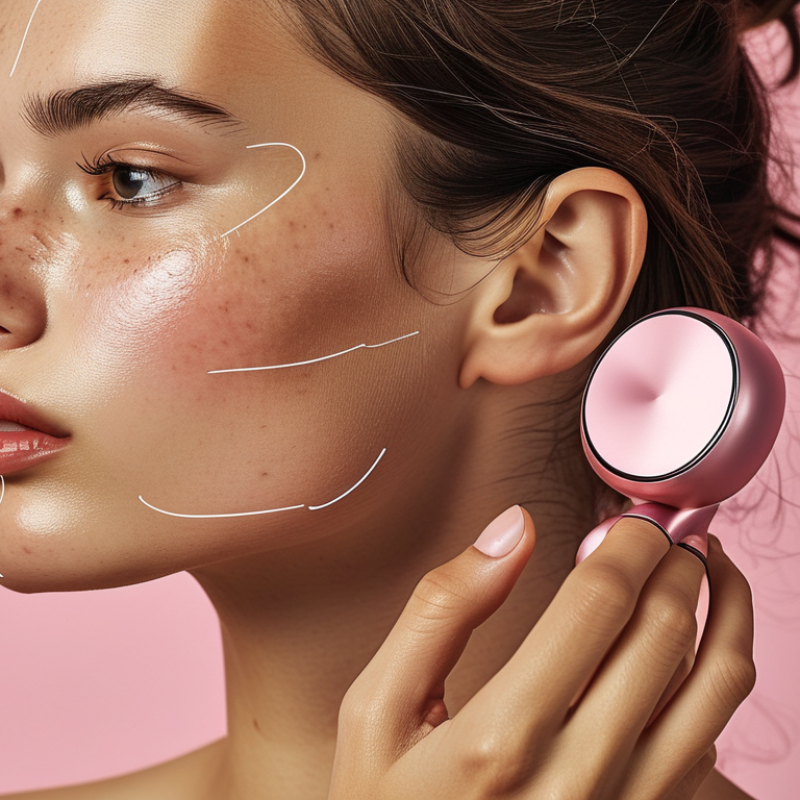
When exploring beauty devices, understanding their types and appropriate uses is crucial. Each device serves a specific purpose, from facial cleansing brushes to LED masks. A cleansing brush exfoliates the skin, allowing for deeper penetration of your skincare products. However, improper use can lead to irritation or over-exfoliation, which harms more than helps. It’s vital to know your skin type before selecting a device.
LED masks, known for their skin rejuvenation properties, come with different light settings. Blue light targets acne, while red light aids in anti-aging. Misuse, like using the wrong setting for your skin concerns, can delay desired results or cause sensitivity. Always follow the recommended guidelines and start slow to gauge your skin's response.
Ultrasonic devices can help with product absorption, but they are often misapplied. Too much pressure or incorrect angles can reduce their effectiveness. Be cautious and seek advice from skincare professionals. Reflecting on these usage errors can enhance your experience and achieve better results.
| Beauty Device Type | Common Mistakes | Recommended Use |
|---|---|---|
| Facial Cleansing Brush | Over-exfoliating the skin | Use 1-2 times a week |
| LED Light Therapy | Not using the correct light for skin type | Follow manufacturer’s light recommendations |
| Microdermabrasion Device | Setting the suction too high | Start with low settings |
| Facial Massage Tool | Using it on dry skin | Always apply a serum or oil |
| Microneedling Device | Not sanitizing the device | Sterilize before and after use |
Using beauty devices can elevate your skincare routine, but many users misunderstand their instructions. One common mistake is
skipping the user manual. Instructions often provide critical details on frequency and technique. Without this knowledge, you
might not be getting the full benefits of the device. Misinterpretation can lead to overuse or incorrect application, which may
cause skin irritation or poor results.
Another prevalent misunderstanding involves mistaking intensity for effectiveness. Many assume that higher settings mean better
results. However, this can be counterproductive. For some devices, lower settings may be more effective for sensitive skin.
It's essential to listen to your skin and adjust accordingly. Lastly, expecting instant results can lead to disappointment.
Effective skincare takes time and consistency. Embracing this reality can lead to a more enjoyable experience.
When using beauty devices for skincare, understanding the right frequency and duration is crucial. Overusing these tools can lead to skin irritation or damage. According to a report from the Journal of Cosmetic Dermatology, about 30% of users experience adverse skin reactions due to improper usage. This highlights the importance of adhering to guidelines on how often to use these devices.
For most at-home beauty devices, experts advise using them 1 to 3 times a week. This frequency allows the skin to recover and regenerate. If you use a device too frequently, it may not provide additional benefits. In fact, a study by the International Journal of Dermatology found that skin can only absorb so much stimulation. Overdoing it can lead to the skin becoming over-sensitized.
Your sessions should also stay within a limit. Typically, a 10 to 20-minute session suffices. This duration is enough to reap benefits without overwhelming the skin. A survey by skincare professionals indicated that 40% of users unknowingly exceed this time, seeking quicker results. It’s essential to approach beauty devices with patience and respect for your skin’s needs. Consistency matters more than overindulgence.
Skin sensitivity is a crucial factor to consider when using beauty devices. Over 50% of individuals report experiencing skin irritation after using at-home skincare tools. This data highlights the importance of testing your skin’s response before committing to a new device. A simple patch test can reveal whether your skin is compatible. Apply the device on a small area, such as behind your ear, to monitor any adverse reactions.
Many beauty devices operate using intense vibrations, heat, or light. These methods can aggravate sensitive skin types, especially those prone to conditions like rosacea or eczema. A study published in the Journal of Dermatology showed that up to 70% of people with sensitive skin reported exacerbated symptoms after using certain beauty devices. If irritation occurs, it may indicate that the device is not suitable for your skin.
Moreover, misuse of beauty devices can worsen sensitivity. Many users apply excessive pressure or fail to follow recommended usage times. This can lead to redness, swelling, and even long-term damage. Always read the user manual and adhere to guidelines to ensure a positive experience. Taking time to understand your skin's needs is paramount before embracing advanced skincare solutions.
When using beauty devices for skincare, proper maintenance and sanitation are crucial for optimal results. Research indicates that 60% of users do not clean their devices regularly, leading to potential skin issues. Dirty devices can harbor bacteria, which may cause breakouts or irritate the skin. To combat this, it's essential to establish a routine cleaning process after each use.
Using a gentle cleanser or rubbing alcohol can effectively remove residue. Ensure the device is turned off and cooled down before cleaning. Sanitize the brush heads or attachments as well. Frequent replacement of these parts can enhance hygiene and performance. Studies show that regularly updated devices perform up to 30% better than neglected ones.
Many overlook the importance of storage. Storing beauty devices in damp environments can promote bacterial growth. Use a dry, clean space for storage. Remember, if you share devices with others, sanitation becomes even more critical. This shared use often leads to cross-contamination, which can compromise skin health. Reflection on your usage habits is necessary to prevent these common pitfalls. Regular maintenance creates a foundation for effective skincare routines and enhances the longevity of your beauty devices.
: Many users skip the user manual, missing critical details on frequency and technique.
Misuse can lead to skin irritation or poor results, as well as potential long-term damage.
Most experts recommend using devices 1 to 3 times a week to allow skin recovery.
Not necessarily. Higher settings may irritate sensitive skin, while lower settings can be more effective.
Effective skincare takes time. Expecting instant results can lead to disappointment and frustration.
If irritation occurs, stop using the device and consider if it suits your skin type.
Sessions should typically stay within 10 to 20 minutes to avoid overwhelming your skin.
Perform a patch test on a small area, like behind your ear, to see if your skin reacts poorly.
Some apply excessive pressure or ignore guidelines, which can lead to redness and swelling.
Overuse can lead to over-sensitivity, with skin unable to absorb more stimulation effectively.
When exploring what are common mistakes when using beauty devices, it’s essential to understand the various types of devices available and their specific uses. Many users misunderstand the instructions and guidelines provided for these devices, which can lead to ineffective use or even skin damage. Additionally, determining the appropriate frequency and duration of use is crucial; overusing devices can result in irritation, while under-usage may not deliver the desired benefits.
Another important aspect is skin sensitivity—before using any beauty device, users should conduct a patch test to ensure their skin can tolerate the treatment. Lastly, proper maintenance and sanitation of these devices are vital for optimal results and to prevent bacterial contamination. By addressing these common pitfalls, users can enhance their skincare routine and fully benefit from their chosen beauty devices.

Rudiz Beauty