China Top 10 Beauty Devices and Their Benefits for Buyers

Time:2026-11-04 Author:Aria
0%

Beauty devices have moved from specialist clinics into bathrooms, dressing tables, and travel cases. In China, manufacturers offer a wide range, from LED masks and cleansing brushes to microcurrent tools and hair-removal devices. This guide introduces ten notable device types and explains what buyers may gain from each. The practical question is: what are the benefits of beauty devices, and which claims deserve careful attention? Benefits may include simpler routines, targeted skin care, or fewer salon visits, depending on the product and how consistently it is used. Results are not identical. Skin type, usage habits, and product quality all matter.

A sound buying decision starts with more than a polished product photo. Check the intended use, operating instructions, warranty, materials, and available safety documentation. For light-based or heat-producing tools, follow manufacturer guidance and avoid the eye area unless use is expressly permitted. Compare replacement parts, charging needs, cleaning steps, and customer support, too. Those details matter. A “top 10” list is a starting point, not proof that every device suits every person. Some products may offer modest convenience rather than dramatic change; marketing can make that distinction easy to miss. This overview considers features, likely benefits, limitations, and buying factors in clear terms. It is not medical advice. Persistent skin concerns are best discussed with a qualified professional. The goal is informed choice, not a promise of perfect skin.
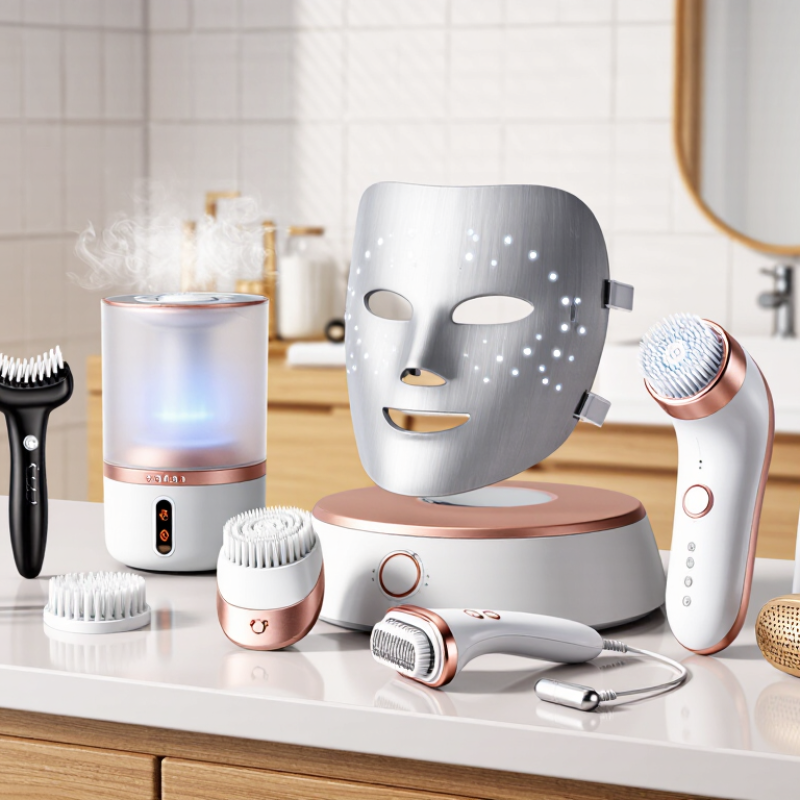
China Top 10 Beauty Devices and Their Benefits for Buyers

What Counts as a Beauty Device Made in China?

A beauty device made in China should reflect meaningful production in China, not merely a Chinese label or final packaging. Buyers can ask where the device is assembled, which components are locally produced, and who performs quality checks. A factory address alone proves little. For a facial cleansing tool, useful evidence might include assembly records, batch-level inspection results, and electrical safety test reports. These details help distinguish a transparent manufacturing process from a vague origin claim.

The category itself is broad. It can include home-use cleansing, light-based, and skin-care tools, but product claims and intended use vary. Grand View Research estimated the global beauty devices market at USD 45.5 billion in 2023, with an 11.1% projected compound annual growth rate from 2024 to 2030. That market estimate signals commercial growth; it does not verify a device’s origin or quality. Its category definitions may also differ from a buyer’s. Ask suppliers for current test documentation, traceable production records, and clear explanations of what each test covers. A polished sample is useful, but it cannot reveal how consistently every production batch is checked.

China-Made Beauty Devices: A Light-Technology Snapshot

Representative wavelengths used in consumer light-based beauty devices

Blue, red, and near-infrared light are commonly used in LED beauty devices. The chart shows representative wavelengths, not guaranteed performance; exact wavelengths and intended uses vary by device. “Made in China” describes manufacturing origin and does not by itself indicate product quality or regulatory status. Buyers should check product specifications, safety information, and applicable registration or filing requirements.

Which 10 Types of Beauty Devices Can Buyers Explore?

Buyers can explore ten distinct categories, but the right choice depends on intended use, comfort, and clear safety instructions. Sonic cleansing brushes offer powered facial cleansing; LED masks use specific light wavelengths for cosmetic routines. Microcurrent facial devices deliver low-level electrical stimulation, while ultrasonic skin spatulas use vibration to loosen surface debris. Radiofrequency devices apply energy to the skin, so buyers should check operating guidance and realistic performance claims. Facial steamers add warm moisture to a routine, though heat may not suit every skin type.

For hair removal, at-home IPL devices are another category; buyers should verify skin and hair compatibility and follow the manual closely. Heated eyelash curlers warm lashes for shaping, while electric callus removers buff rough skin on the feet. Scalp massagers provide mechanical stimulation, and facial cleansing brushes with different bristle designs make a tenth option for buyers comparing cleansing tools. Details matter. Compare contact materials, cleaning steps, power settings, and replacement parts before purchasing. A device’s advertised results may not match every user’s experience, and category labels can be confusing. People with sensitive skin or existing skin concerns should seek qualified advice before trying energy-based devices.

How the Top 10 Beauty Devices Work and Who Uses Them

Beauty devices use different forms of energy or physical contact, so the right choice depends on the user’s goal and skin tolerance. A cleansing brush uses soft, rotating bristles to lift surface residue; it may suit someone who wants a more consistent wash, but pressure can irritate sensitive skin. An LED mask delivers specific light wavelengths and is used by people seeking support for acne-prone or aging skin. Results vary. A microcurrent device sends low-level electrical currents across facial muscles, often appealing to users seeking a temporary, subtle firming effect. An ultrasonic skin scrubber uses vibration to loosen surface buildup and may suit people who prefer a water-based cleansing step.

Radiofrequency devices warm deeper skin layers and are generally chosen by adults seeking gradual skin-firming support. Facial steamers release warm mist to soften surface debris before cleansing; they are not ideal for easily flushed skin. IPL handsets use intense pulses of light to reduce hair growth over repeated sessions, while epilators mechanically pull hairs from the root. Both are for users comfortable with regular upkeep, and IPL suitability depends on skin tone and hair color. Check the device instructions carefully.

A dermaplaning tool gently removes surface flakes and fine facial hair, but a steady hand matters. A nail lamp cures gel polish with UV or LED light; it serves home users who apply gel products. These tools do not replace medical care. Use clean attachments, follow timing guidance, and stop if discomfort develops. I still find “gentle” easy to overestimate.

What Benefits Do These Devices Offer to Buyers?

For buyers, the main benefit of beauty devices is bringing targeted care into a regular home routine. Cleansing brushes and facial spatulas can help remove surface residue, while LED masks offer a convenient way to add light-based skincare. Microcurrent and radiofrequency tools are marketed for temporary firming effects, but results depend on the device and consistent use.

Convenience matters. A treatment that fits a five-minute evening routine may be easier to maintain than repeated appointments.

Hair-removal devices, facial massagers, steamers, microdermabrasion tools, and ultrasonic devices each address different needs. At-home light-based hair removal can reduce regrowth over time, but it is not suitable for every skin tone or hair color.

Check the instructions carefully. LED devices may support acne care, yet they should not replace medical advice for persistent or severe breakouts.

More features do not always mean better results; some devices can irritate sensitive skin when used too often.

Grand View Research estimated the global beauty devices market at USD 49.2 billion in 2023 and projected a 9.8% compound annual growth rate through 2030. This signals growing investment and buyer interest, not proof that every device works equally well.

Compare treatment schedules, replacement parts, warranties, and safety guidance before buying. The least exciting detail—ongoing cost—can change the real value.

How Buyers Can Compare Quality, Safety, and Value

For a shortlist of ten beauty devices, compare the technology and the evidence behind its claims. LED masks, cleansing brushes, microcurrent tools, and heated eye devices do different jobs. A low price means little if the instructions are vague or the controls feel unreliable. Small details matter. Check whether the device lists clear operating times, cleaning steps, and suitable skin types. For light-based devices, look for specific wavelength information rather than broad promises about “glowing” skin. For heated tools, check temperature settings and automatic shutoff features.

Safety should be judged from the device itself, not just its packaging. Examine the charging port, cable, casing, and contact surfaces. Are there gaps, rough edges, or parts that trap moisture? Read the user manual before comparing features. It should explain how often to use the device, when to stop, and how to maintain it. Look for relevant test reports or quality documentation, and confirm that the seller can provide them. Marketing language is not proof. If the instructions conflict with the product claims, pause and ask for clarification.

Value includes more than the purchase price. Compare warranty terms, replacement parts, battery life, and access to customer support. A device used for five minutes each week may not justify a complicated app or costly accessories. The comparison is not perfectly neat: a simpler tool may suit one buyer better, while another needs adjustable settings. I would leave room for that judgment, even when a specification sheet makes one option look like the clear winner.

China Top 10 Beauty Devices and Their Benefits for Buyers - How Buyers Can Compare Quality, Safety, and Value

Beauty Device How It Works Potential Benefits Quality Checks for Buyers Key Safety Considerations Value Factors
LED Light Therapy Mask Uses light at selected wavelengths, commonly red and sometimes blue, applied to the skin. May support modest improvements in the appearance of fine lines or mild acne when a suitable device is used consistently. Results vary. Check the stated wavelengths, irradiance or treatment guidance, eye-protection instructions, and whether output is tested consistently across the treatment area. Follow exposure limits and eye-safety instructions. People with light sensitivity or photosensitizing medicines should seek professional advice before use. Compare treatment time, coverage, replacement parts, warranty, and the cost of using the device regularly.
At-Home IPL Hair-Reduction Device Intense pulsed light targets pigment in hair follicles to reduce regrowth over repeated treatments. Can provide long-term hair reduction for some users; it is not guaranteed to remove all hair permanently. Review the skin-tone and hair-color compatibility chart, usable energy settings, skin-contact sensors, and independent safety testing. Suitability varies by skin tone and hair color. Avoid use over tattoos, dark spots, or irritated skin, and follow the manual’s eye and exposure precautions. Consider the number of flashes, treatment-area size, eligible body areas, and whether the device can be used safely on your skin and hair type.
Radiofrequency (RF) Skin-Tightening Device Delivers radiofrequency energy that heats tissue; home devices generally operate at lower levels than professional systems. May offer a modest, gradual improvement in the appearance of skin firmness. Results depend on the device and consistent use. Check for clear operating instructions, temperature or contact controls, treatment limits, and documentation supporting the device’s stated performance. Do not use over damaged skin or in areas excluded by the instructions. Ask a clinician first if pregnant or if you have an implanted electronic device or relevant medical condition. Assess coverage, session length, consumable gel or attachment costs, and the return policy if results are not as expected.
Microcurrent Facial Device Applies low-level electrical currents through skin-contact electrodes. May temporarily improve the appearance of facial tone or provide a short-lived lifted look; results are not permanent. Look for adjustable intensity, reliable electrode contact, clear instructions on conductive gel, and a warranty covering the device and charger. Do not use near the eyes unless the instructions specifically allow it. Avoid use with implanted electrical devices; seek medical advice for other contraindications. Compare treatment time, electrode design, gel requirements, and whether the routine is practical enough to maintain.
Ultrasonic Skin Scrubber Uses a vibrating metal spatula on damp skin to help loosen surface debris. Can assist with surface cleansing, but should not be expected to remove deep blackheads or replace professional care. Check that the spatula is smooth and corrosion-resistant, controls are simple, and cleaning and charging instructions are clear. Use gentle pressure on damp skin. Avoid broken, inflamed, or highly irritated areas; excessive use can cause redness or irritation. Compare battery life, cleaning ease, included accessories, and the availability of a clear user manual.
Home Microdermabrasion Device Mechanically exfoliates the outer skin surface using an abrasive tip or controlled suction. May temporarily smooth rough-feeling skin and improve the appearance of surface dullness. Review suction settings, replaceable-tip availability, cleaning requirements, and clear guidance for different skin types. Overuse or strong suction can cause irritation or broken capillaries. Avoid active acne, wounds, sunburn, and inflamed skin. Include the ongoing cost of replacement tips and filters, plus the time required to clean the device after each session.
Electric Facial Cleansing Brush Uses rotating or oscillating bristles to assist with cleansing. Can help remove surface makeup and cleanser residue; it does not replace gentle cleansing or treat skin conditions. Check for soft, replaceable brush heads, a water-resistance rating, and easy-to-follow cleaning and charging guidance. Use light pressure and avoid over-cleansing. Sensitive, acne-prone, or irritated skin may be more easily aggravated by friction. Compare replacement-head cost, battery life, charging method, and whether the brush head is easy to dry and keep clean.
Facial Steamer Produces warm water vapor directed toward the face. May temporarily soften surface oils and provide a relaxing skincare step; it does not open pores or deeply cleanse them. Look for stable construction, automatic shutoff, clear water-fill limits, and instructions for cleaning mineral deposits. Keep a safe distance to reduce burn risk. Avoid hot steam if it aggravates rosacea, sensitive skin, or another heat-sensitive condition. Consider tank capacity, heating time, ease of descaling, and whether the device can be stored safely after use.
Heated Hair-Styling Tool Uses controlled heat to shape hair, such as straightening, curling, or blow-drying. Offers convenient styling at home; it does not improve hair health, and frequent high heat can damage hair. Check temperature settings, even heat distribution, reliable controls, cord quality, and safety features such as automatic shutoff. Use the lowest effective heat, keep hot surfaces away from skin, and follow the instructions for wet or dry hair. Compare styling functions, heat-up time, included attachments, energy use, warranty, and the cost of replacement accessories.
LED Scalp-Treatment Device Uses light, commonly red or near-infrared, directed at the scalp. Devices and intended uses vary. Some devices are marketed to support hair growth, but evidence and results vary; it is not a guaranteed treatment for hair loss. Check the intended use, wavelength and treatment schedule, coverage area, safety documentation, and clarity of the evidence behind any claims. Follow exposure instructions and protect the eyes as directed. Seek medical advice to identify the cause of hair loss before relying on a device. Compare coverage, ease of regular use, warranty, and total cost against the uncertainty of individual results.

Buyer note: Benefits depend on the specific device, correct use, and individual suitability. Check applicable safety and regulatory requirements for the intended market, read the user manual, and consult a qualified professional when a device may be unsuitable for your skin, health, or medication profile.

FAQS

What types of beauty devices can buyers explore?

Options include cleansing brushes, LED masks, microcurrent devices, ultrasonic spatulas, radiofrequency tools, steamers, IPL devices, eyelash curlers, callus removers, and scalp massagers. Details matter.

How do facial cleansing brushes work?

Soft, rotating bristles help lift surface residue during washing. Use light pressure, since firm scrubbing may irritate sensitive skin.

What should buyers know about LED masks?

LED masks deliver specific light wavelengths for cosmetic routines. Results vary, so check the instructions and keep expectations realistic.

What do microcurrent and radiofrequency devices do?

Microcurrent devices use low-level electrical currents and may provide a temporary, subtle firming effect. Radiofrequency devices warm deeper skin layers. Follow their operating guidance.

Are facial steamers suitable for everyone?

Steamers release warm mist to soften surface debris before cleansing. Heat may not suit easily flushed skin.

What should buyers check before using an IPL device?

Check skin-tone and hair-color compatibility in the manual. IPL requires repeated sessions, and suitability varies. Do not guess.

How do epilators and dermaplaning tools differ?

Epilators mechanically pull hairs from the root. Dermaplaning tools remove surface flakes and fine facial hair; a steady hand matters.

How can buyers use beauty devices more carefully?

Check cleaning steps, contact materials, power settings, and replacement parts. Use clean attachments and follow timing guidance. Stop if discomfort develops. I still find “gentle” easy to overestimate.

Conclusion

Beauty devices made in China cover a broad range of tools designed for personal care and professional use, including cleansing brushes, facial steamers, LED skincare devices, microcurrent tools, hair-removal devices, massage tools, and other skin- or hair-care equipment. They use different approaches, such as light, gentle vibration, heat, or electrical stimulation, to support routines for cleansing, relaxation, and the appearance of healthier-looking skin. Intended users vary from individuals seeking convenient at-home care to professionals selecting equipment for service settings.

For buyers asking what are the benefits of beauty devices, the main advantages may include greater convenience, more consistent routines, and options tailored to different care needs. Choosing well requires comparing product purpose, materials, construction, operating instructions, safety features, testing information, and after-sales support. Buyers should also assess ease of use, maintenance requirements, and overall value rather than relying on claims alone. A careful comparison helps match a device’s capabilities to its intended users and setting.

Aria

Aria

Aria is a dedicated marketing professional with a deep passion for innovative strategies and a keen understanding of our company's product offerings. With a wealth of experience in the industry, Aria excels at crafting engaging content that highlights the unique features and benefits of our......