10 Best Beauty Devices How Do They Work?

Time:2026-10-13 Author:Charlotte
0%

Beauty devices now sit beside cleansers, serums, and towels in many home bathrooms. From LED masks to microcurrent tools, these products promise brighter, firmer, or smoother-looking skin. Yet the technology can feel confusing. The question is simple: how do beauty devices work?

This guide examines ten popular devices through their basic mechanisms, practical uses, and safety limits. LED devices use specific light wavelengths. Microcurrent tools deliver gentle electrical signals across the skin. Facial cleansing brushes create movement and mild exfoliation. Radiofrequency devices use controlled heat, while cooling tools may temporarily reduce puffiness. Each method has a different purpose, and results often depend on consistent use, skin condition, and realistic expectations.

I have focused on details a reader can check at home, such as device settings, contact with the skin, cleaning routines, and recommended session times. Instructions matter. More intensity does not always mean better results. Some devices may irritate sensitive skin, worsen discomfort, or conflict with certain medical conditions. Professional advice is sensible when skin is inflamed, recently treated, or unusually reactive.

The evidence is not equally strong for every product. That matters. Marketing language can sound more convincing than clinical research. This article separates established principles from uncertain claims, while recognizing that personal experience can vary. A warm device may feel effective without creating lasting change. A gentle routine may seem slow, yet prove more reliable over time. Expect useful explanations, practical cautions, and a clearer way to judge whether a beauty device deserves space in your routine.
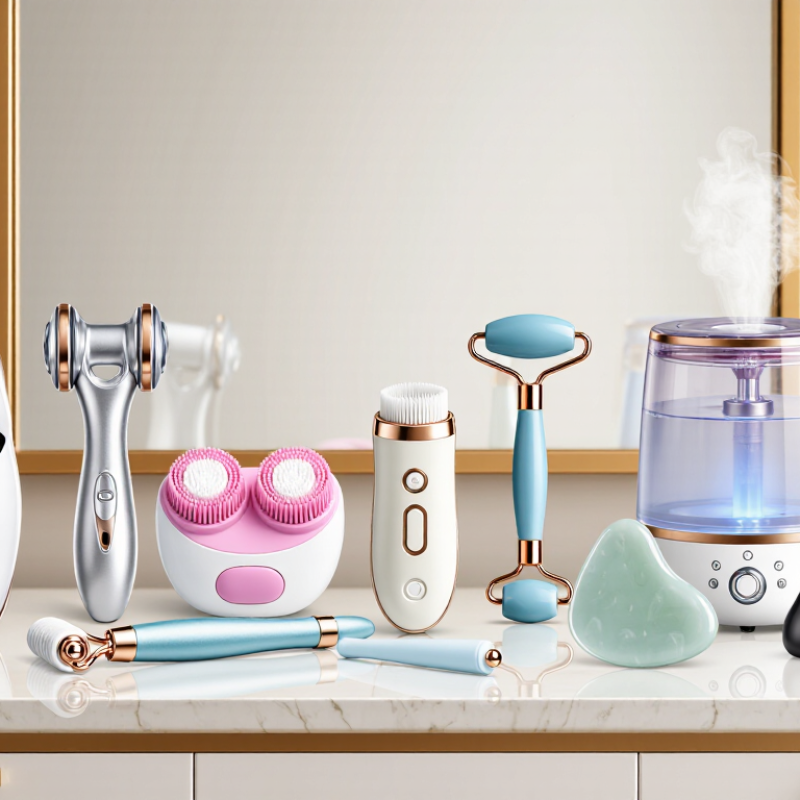
10 Best Beauty Devices How Do They Work?

What Beauty Devices Are and How They Support Skin Care

Beauty devices are tools designed to support everyday skin care, not replace professional treatment. Different technologies target different needs. Cleansing devices help remove surface oil and makeup. LED devices use controlled light to support calmer-looking skin. Microcurrent tools provide gentle electrical stimulation, while ultrasonic devices may help products spread more evenly.

Their value depends on correct use and realistic expectations. In practical skin-care routines, consistency usually matters more than intensity. A device may leave skin feeling smoother after one session, but visible changes often take weeks. Results can vary with age, sensitivity, hydration, and existing skin conditions. Some claims sound impressive, yet the evidence is not equally strong for every device. That deserves reflection.

Tips: Read the instructions carefully. Start with the lowest comfortable setting. Use clean skin and avoid broken areas. Stop if you feel burning, swelling, or persistent redness. Do not combine several stimulating devices at once. A dermatologist can offer safer guidance, especially for sensitive skin or ongoing treatment. Keep a simple record of use and skin changes. It may reveal whether the device truly helps. Sometimes, a basic routine works better.

10 Beauty Devices: How Do They Work?

Representative operating wavelengths used by common light-based beauty devices. Wavelength affects how light interacts with the skin and its intended target; actual settings vary by device and treatment goal.

Blue and green light are generally used for surface-level targets, while red and near-infrared light can reach deeper layers. Longer wavelengths are commonly selected for deeper pigmentation, vascular, hair, or collagen-related applications. Professional treatments should be performed according to qualified guidance.

How Light-Based Devices Affect Skin and Hair

10 Best Beauty Devices: How Do They Work?

Light-based beauty devices use selected wavelengths to influence pigment, blood vessels, or cellular activity. Some emit broad-spectrum flashes, while others use a narrower laser beam. Intense pulsed light can heat melanin in unwanted hair, weakening the follicle over repeated sessions. Laser systems work more selectively, but their results depend strongly on skin tone, hair color, and settings. LED devices use gentler light. Red and near-infrared wavelengths may support skin comfort and collagen-related activity, although results are usually gradual and modest.

On skin, light energy becomes controlled heat or cellular stimulation. A device should feel warm, not sharply painful. On hair, darker pigment absorbs more energy than pale hair. Timing matters.

Hair grows in cycles, so one session cannot affect every follicle. This explains why treatment schedules often require several weeks between uses. My early mistake was expecting smoother skin after one session. That expectation was unrealistic.

Safe use requires clean, dry skin and the correct intensity. Follow the device instructions carefully. Test a small area first. Avoid treatment over irritated, broken, or recently sunburned skin. Protective eyewear matters, especially with concentrated light sources. People using photosensitizing medicines or managing a skin condition should seek professional medical advice before treatment. Even careful routines can produce temporary redness, dryness, or uneven results. Skin tone can also change the risk of burns, so professional assessment may be wiser than guessing.

How Microcurrent and Radiofrequency Devices Stimulate Tissue

10 Best Beauty Devices: How Do They Work?

Microcurrent devices deliver very low electrical currents across the skin. These signals may encourage facial muscles to contract gently, creating a temporary lifted appearance. The sensation is often a mild tingling. It should never feel painful. Conductive gel helps the current move evenly and reduces uncomfortable hotspots.

Radiofrequency devices work differently. They send electromagnetic energy into deeper skin layers, where resistance produces controlled heat. This warmth can support collagen remodeling over time. Skin may feel warmer and look slightly flushed after treatment. Results vary with energy level, skin condition, age, and treatment consistency.

Technique matters more than dramatic claims. Clean, dry skin and steady movement can improve comfort. Avoid dragging the device over irritated areas, broken skin, or active infections. People with implanted electronic devices, certain medical conditions, or pregnancy should seek qualified medical advice before use. Home devices usually operate at lower energy than professional equipment, so changes may be gradual.

A careful user should track reactions, not promises. Take photos in the same light. My mirror impression can be misleading. Some temporary tightening may come from mild swelling or hydration, rather than lasting tissue change. Stop if burning, persistent redness, numbness, or unusual pain occurs. A trained dermatologist can explain whether microcurrent, radiofrequency, or neither suits a person’s skin and medical history.

10 Best Beauty Devices: How Do They Work? — How Microcurrent and Radiofrequency Devices Stimulate Tissue

Device Type Primary Energy or Action How It Stimulates Tissue Common Cosmetic Uses Typical Sensation Evidence Summary Key Safety Considerations
Microcurrent Device Very low-level direct electrical current, usually delivered through two conductive contact points. The current may influence superficial neuromuscular activity and cellular electrical signaling. It is intended to produce temporary muscle-toning or contouring effects rather than deep tissue remodeling. Temporary facial toning, improved appearance of facial contours, and short-term reduction in the appearance of puffiness. Usually a mild tingling sensation; some users may notice brief muscle twitching. Limited to moderate
Small studies and device-specific research suggest short-term cosmetic benefits, but results vary and long-term evidence is limited.
Use the recommended conductive gel or serum. Avoid use with implanted electronic devices, on broken skin, or near the front of the neck and eyes unless specifically cleared by a qualified professional.
Radiofrequency Device Radiofrequency electromagnetic energy converted into controlled heat within the skin and underlying tissue. Heating can temporarily increase local blood flow and may stimulate heat-responsive fibroblast activity. Repeated treatments may support collagen remodeling, although home devices generally deliver less energy than professional systems. Improvement in the appearance of mild skin laxity, fine lines, and uneven texture. Warmth or mild heat; excessive heat, pain, or persistent redness is not expected. Moderate
Clinical evidence is stronger for professional treatments; home-use results are usually more subtle and depend on treatment consistency and device output.
Follow temperature and contact-time instructions carefully. Avoid use over active skin infections, open wounds, areas with reduced sensation, or metal and electronic implants unless medically approved.
LED Phototherapy Device Non-ionizing visible or near-infrared light at selected wavelengths. Specific wavelengths are absorbed by cellular components and may influence inflammatory signaling and cellular energy processes. Blue light can help target acne-related bacteria, while red and near-infrared light are commonly used for inflammatory and repair-related applications. Supportive care for mild acne, redness, and the appearance of fine lines. Little to no sensation; some devices produce mild warmth. Moderate
Benefits are generally gradual and require repeated use. Results depend on wavelength, dose, treatment schedule, and skin condition.
Use eye protection when required. Photosensitizing medications and light-sensitive conditions may increase risk; consult a clinician when applicable.
Ultrasonic Skin Device High-frequency mechanical sound waves transmitted through a water-based medium. Vibration may assist surface cleansing and product spreading. Some systems also create mild mechanical effects in the outer layers of the skin, but they do not replace professional ultrasound procedures. Surface cleansing, temporary smoothing, and improved spreadability of water-based products. Usually a light vibration or faint buzzing sensation. Limited
Evidence for home cosmetic benefits is less robust than for established clinical ultrasound applications.
Keep the skin sufficiently wet if instructed. Avoid prolonged use over the eyes, thyroid area, open lesions, or areas with active inflammation.
Galvanic Facial Device Low-intensity direct current using positive and negative electrical poles. Direct current can alter the electrical environment at the skin surface and is commonly used to support product application or cleansing protocols. It does not permanently force products into deep tissue. Temporary cleansing support, smoother-feeling skin, and enhanced application of compatible water-based products. Mild tingling or a metallic taste in the mouth may occur. Limited
Short-term surface and sensory benefits are plausible, but strong evidence for lasting changes is limited.
Do not use with implanted electronic devices or on damaged skin. Use only products designed for the device and avoid combining with irritating active ingredients unless directed.
Home IPL Hair-Reduction Device Intense pulsed light absorbed primarily by melanin in the hair shaft and follicle. Light energy is converted into heat, which can damage actively growing hair follicles and gradually reduce hair regrowth over a series of treatments. Long-term reduction of unwanted hair on appropriate skin and hair combinations. Warm snapping or rubber-band-like sensations are common. Moderate
Effectiveness is generally greater for darker hair and lighter-to-medium skin tones, depending on the device and safety sensor.
Do not use on heavily tanned skin or over tattoos, dark moles, or pigmented lesions. Follow the device skin-tone guidance and protect the eyes as directed.
Cryotherapy or Cooling Device Controlled surface cooling or cold contact. Cooling causes temporary vasoconstriction and can reduce local nerve signaling and superficial swelling. It does not permanently tighten facial tissue. Temporary reduction in puffiness, soothing of mild irritation, and a refreshed appearance. Cold, numbness, or mild tightness. Limited
Short-term soothing and de-puffing effects are plausible, while lasting anti-aging benefits are not well established.
Do not hold a very cold surface in one place for too long. Avoid use with cold sensitivity, poor circulation, or cold-induced skin conditions.
Dermaplaning Tool Controlled mechanical exfoliation with a single-use or properly sanitized blade. The blade removes surface corneocytes and fine vellus hair. It does not change the structure, thickness, or growth rate of facial hair follicles. Smoother surface texture and easier application of makeup or topical products. Light scraping or pulling sensation. Limited
Immediate surface smoothness is expected, but evidence for long-term rejuvenation is limited.
Avoid active acne, eczema, psoriasis, open wounds, and irritated skin. Use a clean tool and do not share blades. Apply broad-spectrum sunscreen afterward.
Vacuum Facial Device Localized negative pressure applied through a skin-contact cup or tip. Suction temporarily increases mechanical pressure changes and local blood flow. It may loosen surface debris, but excessive suction can damage small blood vessels. Temporary de-puffing, massage, and superficial cleansing support. Pulling, pressure, or mild tightness. Limited
Short-term massage and circulation effects are possible, but evidence for lasting pore reduction or collagen stimulation is weak.
Use the lowest effective setting and keep the device moving. Avoid over visible capillaries, bruised skin, active inflammation, and areas prone to broken vessels.
Facial Massage or Vibration Tool Manual pressure, rolling movement, or low-amplitude mechanical vibration. Mechanical stimulation can temporarily increase local circulation and may assist fluid movement in superficial tissues. It does not permanently lift or reshape facial structures. Temporary relaxation, de-puffing, and improved appearance of skin freshness. Gentle pressure, rolling, or vibration. Emerging
Short-term appearance benefits are plausible, but high-quality evidence for lasting structural changes is limited.
Use gentle pressure on clean skin. Avoid active rashes, infections, wounds, and painful areas. Clean the tool after each use.
Important: Home beauty devices generally use lower energy levels than professional equipment. Results are usually gradual or temporary, and correct technique, treatment frequency, skin type, and medical history can substantially affect safety and effectiveness.

How Cleansing, Exfoliation, and Infusion Tools Work

Beauty devices often look futuristic, but their basic actions are simple. Cleansing tools use soft silicone or rotating bristles to loosen oil, sunscreen, and surface debris. Gentle vibration can improve contact between cleanser and skin. It does not replace thorough rinsing.

Pressure matters. I once scrubbed too firmly, expecting faster results, and ended with tight, red cheeks. That mistake changed my routine.

Exfoliation devices work through controlled surface contact. Textured heads polish away some dead cells, while water-based tools may loosen flakes with gentle flow. The goal is smoother skin, not a polished plastic feeling.

Excessive use can cause dryness, stinging, or irritation. Sensitive skin needs extra caution. Use these tools on intact skin, with light pressure and short sessions. Avoid combining them with strong exfoliating products until your skin tolerates the routine.

Infusion tools may use warmth, vibration, ultrasound, or low-level electrical pulses. These actions can help products spread evenly and may temporarily improve hydration. They do not force every ingredient deep into the skin. Evidence differs between technologies, so marketing claims deserve careful reading.

Choose simple, fragrance-free formulas when possible, and follow the device instructions closely. Avoid damaged skin and the immediate eye area.

Results vary.
Skin still needs time.

How to Compare Beauty Devices for Safe, Effective Use

How Do the 10 Best Beauty Devices Work? Comparing Them for Safe, Effective Use

The best beauty device is not always the strongest one. Compare its energy type, treatment depth, evidence, and safety controls. LED devices use light wavelengths, while microcurrent devices deliver low electrical stimulation. Radiofrequency devices warm deeper tissue. Ultrasound devices use focused sound energy. Each technology suits different goals, skin types, and tolerance levels.

Check the technical details first. The wavelength, power density, pulse duration, and treatment temperature matter. A clear user manual should explain these measurements. The U.S. Food and Drug Administration also warns that clearance does not guarantee identical results for every user. Look for controlled clinical studies, not only dramatic before-and-after photos. Results can vary.

Skin condition matters.

The 2023 ISAPS Global Survey reported more than 19 million nonsurgical aesthetic procedures worldwide. That demand reflects interest, not proof of effectiveness. Compare devices by published data, return policies, warranty support, and independent professional guidance. Protective eyewear is essential for certain light-based treatments. Clean contact surfaces before use, and never treat irritated or broken skin. Stop if you feel sharp pain, blistering, or unusual swelling. This seems obvious, yet rushed routines cause preventable mistakes. I would also record treatment dates, settings, and skin reactions. A simple phone note can reveal whether improvement is real or only temporary.

FAQS

How do light-based beauty devices affect skin and hair?

Light energy becomes controlled heat or gentle cellular stimulation. Darker hair absorbs more energy than pale hair. Results depend on skin tone, hair color, settings, and timing. One session is rarely enough.

Why do light-based hair devices require repeated sessions?

Hair grows through different cycles. One treatment cannot affect every follicle. Sessions often need several weeks between uses. My first-session expectations were unrealistic.

What should light-based treatments feel like?

The device should feel warm or mildly uncomfortable. Sharp pain is a warning sign. Temporary redness or dryness can happen afterward. Stop if burning continues.

How can someone use light-based devices more safely?

Start with clean, dry skin and the recommended intensity. Test a small area first. Avoid irritated, broken, or recently sunburned skin. Protective eyewear matters.

Who should seek professional advice before using light devices?

People taking photosensitizing medicines should ask a qualified professional. The same applies to people with skin conditions. Darker skin tones may face higher burn risks. Guessing is not ideal.

How do microcurrent devices work?

They deliver very low electrical currents across the skin. These signals may gently contract facial muscles. The effect can look temporarily lifted. A mild tingling is common. Pain is not expected.

How do radiofrequency devices differ from microcurrent devices?

Radiofrequency creates controlled warmth in deeper skin layers. That warmth may support gradual collagen remodeling. Microcurrent mainly provides gentle electrical stimulation. Home devices usually use lower energy. Changes can be subtle.

How should users judge results from electrical beauty devices?

Track redness, discomfort, and changes over time. Take photos in the same lighting. Temporary tightness may come from hydration or mild swelling. It may not represent lasting tissue change. Mirrors can mislead.

What do cleansing and exfoliation tools actually do?

Cleansing tools loosen oil, sunscreen, and surface debris. Exfoliation tools remove some dead surface cells. Use light pressure and short sessions. Tight, red cheeks mean the routine was too harsh. More scrubbing is not better.

Can infusion tools force skincare ingredients deep into skin?

They may spread products more evenly. Warmth, vibration, ultrasound, or mild electrical pulses can improve temporary hydration. They cannot guarantee deep delivery. Evidence differs between technologies. Use simple formulas on intact skin.

Conclusion

Beauty devices are tools designed to support everyday skin care by using controlled forms of light, electrical energy, heat, vibration, or gentle physical contact. Understanding how do beauty devices work begins with their intended function: light-based devices may target the appearance of hair or encourage a more refreshed-looking complexion, while microcurrent devices use low-level electrical signals to stimulate facial muscles and support a temporarily toned appearance. Radiofrequency devices deliver controlled heat to the skin’s deeper layers, helping promote a firmer-looking texture over time.

Other devices focus on cleansing, exfoliation, or infusion. Brushes and vibrating tools can help remove surface impurities, exfoliating devices lift dead skin cells, and infusion tools may assist topical products in spreading more evenly across the skin. When comparing beauty devices, users should consider their skin type, treatment goals, operating instructions, comfort, safety features, and realistic results. Consistent, careful use is generally more important than choosing the most advanced-looking device.

Charlotte

Charlotte

Charlotte is a seasoned marketing professional with a deep understanding of the company's portfolio and a passion for elevating its presence in the market. With a keen eye for detail and a commitment to excellence, she ensures that our professional blog is regularly updated with insightful articles......