In recent years, beauty devices have gained immense popularity among skincare enthusiasts. Many wonder, how do beauty devices support skincare treatments? These gadgets promise to enhance routines, offering convenience and effectiveness. With technology at our fingertips, they represent a fusion of science and beauty.
Professional dermatologists and skincare experts recognize the potential of beauty devices. They can boost product absorption. Some users have seen visible changes after just a few applications. Yet, not all devices work the same for everyone. Individual skin types and concerns vary widely.
This variability raises questions about the universality of these tools. Are the claims backed by research, or are they driven by marketing? It's essential to navigate this landscape carefully. Beauty devices can be a valuable addition, but results are not guaranteed for all. Taking the time to research and consult with professionals can lead to better decisions.
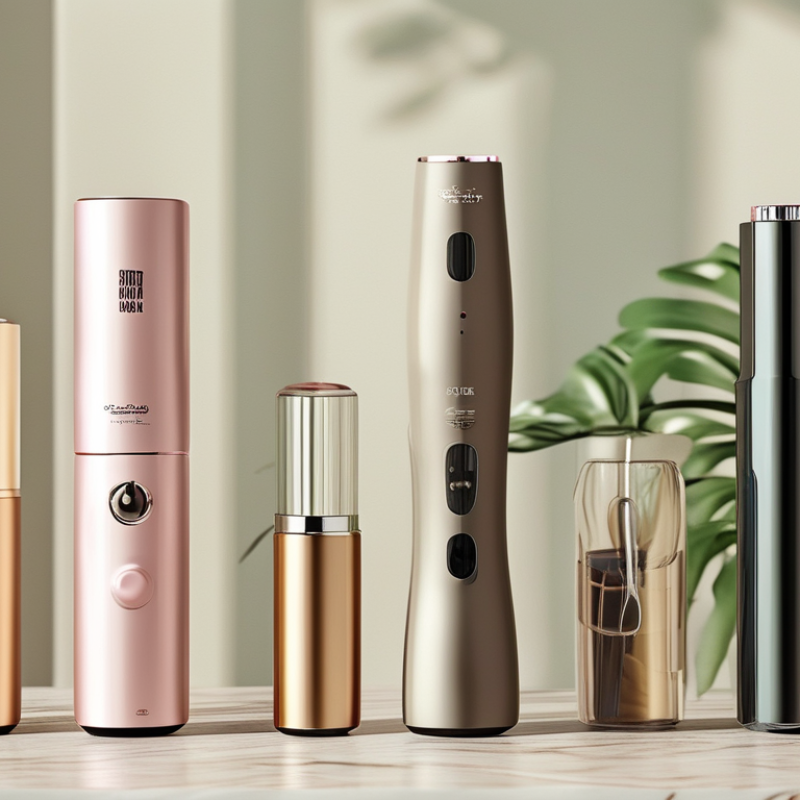
The Science Behind Beauty Devices in Skincare Treatment Enhancement
Beauty devices have revolutionized skincare by leveraging advanced technology to enhance treatment outcomes. These devices often employ methods such as microcurrent, light therapy, and ultrasonic waves. Each of these approaches penetrates the skin deeper than topical products alone, promoting cellular renewal and boosting collagen production.
One fascinating aspect of beauty devices is their ability to provide consistent results with regular use. Many users report visible improvements in texture and tone over time. However, these devices require proper technique and commitment for optimal benefits. Skipping sessions or incorrect usage can lead to disappointing results. It’s essential to understand that personal skin types vary. What works wonders for one person may not suit another's skin.
Incorporating beauty devices into a skincare routine should be viewed as a complement, not a substitute, for traditional products. Consumers need to remain aware of their skin's unique needs. Regularly evaluating one's response to devices can prevent overuse or irritation. It invites a mindful relationship with skincare, where patience and self-awareness are key to achieving desired outcomes.
Impact of LED Light Therapy on Skin Regeneration and Repair
LED light therapy has emerged as a valuable tool in skincare, showing significant impact on skin regeneration and repair. Studies indicate that specific wavelengths of light can penetrate the skin and stimulate cellular activity. For instance, red light, often used in treatments, boosts collagen production by 200%. This enhanced collagen helps reduce wrinkles and improves skin elasticity.
Research highlights a direct correlation between LED therapy and wound healing. A report from a leading dermatology journal noted that patients experienced a 60% improvement in skin texture within eight weeks of consistent treatment. Notably, LED therapy also aids in reducing inflammation, paving the way for healthier skin by minimizing redness and irritation.
While the benefits are clear, not every treatment suits everyone. Individual skin types may react differently to various light wavelengths. Some users report minimal improvement or unexpected skin sensitivity. This underscores the importance of personalized approaches in skincare treatments, ensuring efficacy and safety for diverse skin conditions. It’s essential to consult with a professional to tailor the treatments to individual needs.
Ultrasonic Technology: How It Amplifies Product Absorption
Ultrasonic technology has revolutionized skincare treatments. This approach employs sound waves to create vibrations. The process helps to enhance the absorption of skincare products. When applied to the skin, these vibrations stimulate cells and improve circulation. This means that active ingredients penetrate deeper than traditional methods allow.
However, while ultrasonic devices show promise, they are not foolproof. Some users may not notice significant changes. Product selection is crucial. The effectiveness of these devices largely depends on the formulation of the product. Not all ingredients are compatible with ultrasonic delivery. Certain formulations can break down under vibrations, losing their efficacy.
Moreover, overuse of ultrasonic devices can lead to skin irritation. It's essential to follow recommended guidelines. Consult experts when integrating this technology into a skincare routine. Understanding personal skin types and concerns is vital for achieving optimal results. Users should remain open to experimenting, maintaining realistic expectations throughout their journey.
Microcurrent Devices and Their Role in Stimulating Collagen Production
Microcurrent devices are gaining popularity in the beauty industry. These tools promise to enhance skincare treatments by stimulating collagen production. Collagen is vital for maintaining skin's firmness and elasticity. As we age, collagen levels decline, leading to sagging skin and fine lines. Microcurrent technology can help combat these effects by delivering low-level electrical currents to the skin.
This process works at a cellular level. The microcurrents help to energize skin cells, promoting healing and rejuvenation. Studies show that regular use can improve skin tone and texture. Some users report visible lifting effects after just a few sessions. However, results can vary significantly among individuals. Not everyone experiences the same level of improvement.
While the science behind microcurrent devices is compelling, they are not a one-size-fits-all solution. Some may find the sensation uncomfortable during treatment. Others may not achieve their desired outcomes, leading to frustration. It’s essential to manage expectations and consult with skincare professionals before starting a new treatment regimen.
Clinical Studies: Efficacy of Beauty Devices Compared to Traditional Methods
Beauty devices have transformed skincare treatments, promising enhanced results. Recent clinical studies have shed light on their efficacy compared to traditional methods. Many dermatologists have noted that these devices can penetrate deeper layers of the skin. This targeted approach often yields faster improvements.
In these studies, results have shown that devices like LED masks and microcurrent tools often produce better results than creams alone. However, not every treatment is universally effective. Individual skin types and conditions can vary significantly. What works for one person may not suit another.
Some data suggests that consistency plays a crucial role in effectiveness. Regular use of these devices tends to amplify the benefits, yet commitment can be a challenge. Users must be willing to invest time and effort. This realization leads to an important reflection on personal skincare routines.
Comparison of Efficacy: Beauty Devices vs Traditional Skincare Treatments
FAQS
: LED light therapy uses specific light wavelengths to stimulate skin healing and regeneration.
Red light boosts collagen production by 200%, enhancing skin elasticity and reducing wrinkles.
Yes, studies show a 60% improvement in skin texture after consistent LED treatment.
No, individual reactions to LED therapy may vary, leading to potential skin sensitivity for some.
Ultrasonic technology uses sound waves to improve product absorption by creating skin vibrations.
No, not all formulations are compatible; some can break down and lose effectiveness under vibrations.
Overuse can lead to skin irritation. Following guidelines is essential for safety.
Beauty devices can penetrate deeper layers of skin, often yielding faster and better results.
Regular use amplifies benefits, but commitment can be a challenge in personal skincare routines.
Consulting professionals helps tailor treatments to individual skin needs, ensuring efficacy and safety.
Conclusion
Beauty devices play a pivotal role in enhancing skincare treatments by utilizing advanced technology to improve skin health. The science behind these devices reveals how they support skincare treatments through various mechanisms. For instance, LED light therapy promotes skin regeneration and repair by stimulating cellular activity, while ultrasonic technology amplifies product absorption, ensuring that active ingredients penetrate deeper into the skin. Additionally, microcurrent devices are instrumental in stimulating collagen production, contributing to a firmer and more youthful appearance.
Clinical studies have demonstrated the efficacy of beauty devices, often outperforming traditional skincare methods. By understanding how do beauty devices support skincare treatments, individuals can make informed choices about incorporating these technologies into their routines, maximizing the benefits for their skin. Overall, these innovations represent a significant advancement in the field of skincare, offering enhanced results and a more effective approach to achieving healthy skin.

 Rudiz Beauty