2026 Best Beauty Devices vs Salon Treatments?

Time:2026-09-13 Author:Sienna
0%

In 2026, beauty devices are smaller, smarter, and easier to use at home. LED masks glow beside bathroom mirrors, while microcurrent tools promise a firmer-looking jawline. Salon treatments still offer trained hands, stronger equipment, and carefully timed protocols. Yet marketing often sounds more certain than science. This guide asks, “how do beauty devices compare to salon treatments,” without treating either option as universally superior. Results depend on the device, treatment, skin condition, and user consistency.

A responsible comparison needs more than before-and-after photographs. It considers published evidence, qualified practitioner experience, device certifications, cleaning standards, and realistic treatment schedules. A salon professional can assess sensitivity, pigmentation, active acne, or medication-related risks before treatment. At home, users control frequency, pressure, and product combinations. That supports convenience but also invites mistakes. A warm mask can feel soothing. It can still irritate compromised skin.

This article examines LED, microcurrent, radiofrequency, cleansing tools, peels, facials, and selected salon technologies. It separates temporary surface effects from changes requiring clinical evaluation. It also considers cost, maintenance, privacy, time, and long-term value. My own view is not perfectly settled. Some home tools are genuinely useful, but many promises remain under-tested. Professional treatment is not automatically better either. Ask what evidence supports the claim, who should avoid it, and what happens after the glow fades. Patch testing and professional advice matter, especially for persistent concerns or sensitive skin.
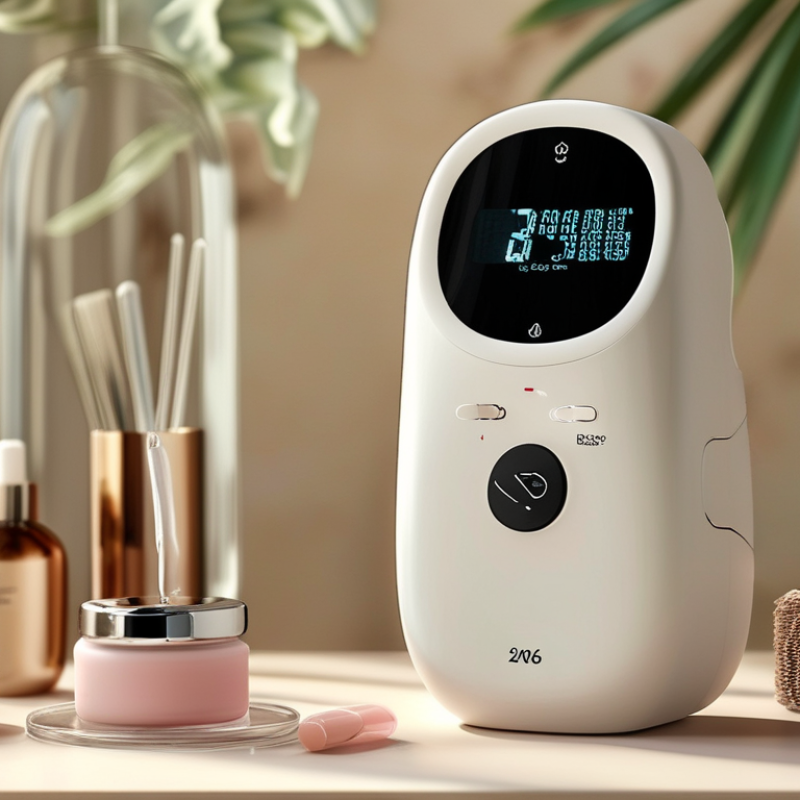
2026 Best Beauty Devices vs Salon Treatments?

What Are Beauty Devices and Salon Treatments?

Beauty devices are tools designed for personal skincare routines at home. They may use light, gentle electrical currents, heat, cooling, or mechanical cleansing. Their main purpose is usually maintenance, not dramatic transformation. Results depend on skin type, device quality, frequency, and correct use.

Salon treatments are performed by trained professionals in a controlled setting. They can include facials, exfoliation, massage, light-based procedures, and other non-surgical services. Professionals can adjust intensity after examining the skin. They also consider irritation, medication use, allergies, and previous treatments. Clean equipment and clear aftercare instructions matter greatly.

I once assumed a stronger device would produce faster results. That idea was too simple. Sensitive skin may become red, dry, or uncomfortable after excessive use. Home devices often offer convenience and lower intensity. Salon treatments may provide closer supervision and more personalized care. Neither option suits everyone. A careful consultation should happen before treatment, especially for acne, pigmentation, broken skin, or unusual sensitivity. Patch testing may help, but it cannot predict every reaction. Read the instructions. Notice your skin. Stop when discomfort feels abnormal.

How Beauty Devices and Salon Treatments Work

Beauty devices and salon treatments work through different levels of energy, precision, and professional control. Home devices usually deliver gentler stimulation for gradual changes. LED light may influence cellular activity and calm visible redness. Microcurrent sends mild electrical signals across the skin. Radiofrequency warms deeper tissue, encouraging temporary tightening effects. Results depend on consistent use, skin condition, and device quality.

Salon treatments often use stronger settings and trained assessment. A chemical peel loosens dead surface cells with controlled acids. Microneedling creates tiny channels that trigger the skin’s repair response. Laser treatments target pigment, blood vessels, or hair through specific wavelengths. These procedures can produce clearer changes, but they may also cause redness, swelling, or temporary sensitivity. A qualified practitioner should review medical history, medications, skin tone, and healing risks before treatment.

The comparison is not perfectly fair. A home device supports maintenance, while a salon procedure may address a deeper concern. I used to expect visible results after one session. That expectation was unrealistic. Skin needs time. Some improvements are subtle, and poor technique can reduce benefits. Follow tested instructions, protect treated skin from sunlight, and stop when burning or unusual pain appears. Professional advice matters more than impressive before-and-after images.

Which Skin and Hair Concerns Can They Address?

Choosing between beauty devices and salon treatments depends on the concern, not just the price. Home LED devices may support mild acne, redness, and uneven tone when used consistently. Results are usually gradual and modest. Microcurrent tools can create a temporary lifted appearance, while gentle exfoliating devices may smooth rough texture. They cannot replace professional diagnosis or medical treatment.

Salon treatments often provide stronger, more controlled results. A trained practitioner can adjust chemical peels, microneedling, laser procedures, or hair removal settings for your skin type. These options may address deeper pigmentation, acne scars, stubborn hair, or significant texture changes. However, irritation, burns, and pigmentation changes remain possible. Professional does not mean risk-free.

Tips: Patch-test new products and follow the device instructions carefully. Avoid using several intense treatments on the same day. For hair concerns, home light-based devices may reduce visible hair over time, but results vary with hair color and skin tone. Scalp devices may support hair density in selected cases, yet sudden shedding needs medical assessment. I once assumed more sessions meant faster improvement. That was wrong. Skin often needs recovery time, and inconsistent use can make results difficult to judge. Consult a qualified dermatologist or licensed practitioner before treating sensitive skin, active conditions, or unexplained hair loss.

How Safety, Results, Cost, and Convenience Compare

2026 Best Beauty Devices vs Salon Treatments? How Safety, Results, Cost, and Convenience Compare

At-home beauty devices offer privacy and flexible timing.

A ten-minute session can fit between work and dinner. However, safety depends on correct settings, clean skin, and consistent use. Read the instructions carefully. Avoid treatment over irritated skin, open wounds, or areas with unexplained changes.

A patch test can reveal unexpected redness or sensitivity. Brief discomfort may occur, but sharp pain is a warning sign.

Results usually develop slowly and vary with skin type, hair growth, and technique.

Salon treatments provide professional assessment and controlled conditions.

A trained practitioner can adjust intensity, protect sensitive areas, and explain aftercare. The room may include cooling gel, protective eyewear, or a bright examination lamp.

These details matter. Stronger treatment does not always mean better treatment. Temporary swelling, dryness, or redness can still appear.

People using photosensitising medicines or managing skin conditions should seek qualified medical advice before treatment.

Cost comparisons need more than one appointment.

A home device may cost more initially, yet repeated use can reduce the price per session. Salon care may produce faster visible changes, but travel time and maintenance visits add up.

Convenience is also personal. Some people prefer a quiet bathroom routine; others need expert supervision.

My comparison is not perfectly neat. I once valued low cost too highly and underestimated aftercare. That mistake changed how I judge beauty treatments.

How to Choose the Right Beauty Treatment in 2026

Choosing the right beauty treatment in 2026 starts with your goal, not the device’s novelty. Do you want smoother texture, reduced hair growth, or deeper correction? Home devices usually suit gradual maintenance. Salon treatments may offer stronger settings, professional assessment, and faster visible changes. However, “stronger” does not always mean better.

The ISAPS Global Survey 2023 recorded about 34.9 million surgical and nonsurgical aesthetic procedures worldwide. This demand shows growing interest, but it also highlights a practical issue: treatment choice needs informed screening. Check the technology’s intended use, treatment depth, contraindications, and operator training. The U.S. Food and Drug Administration also stresses that authorization applies to specific uses, not every cosmetic claim. Ask for realistic downtime and documented safety information.

Budget should include repeat sessions, aftercare, and possible correction. A home device may seem cheaper, yet inconsistent use can weaken its value. Salon care can be more efficient, but appointments and maintenance add up. Skin tone, sensitivity, medication, and previous procedures matter. Professional societies commonly recommend a qualified consultation before energy-based treatments, especially for pigmentation or scarring concerns. Results can be uneven. That is normal. I would rather choose a modest, well-supported result than chase dramatic promises. Keep dated photos in the same lighting, and reassess after the expected treatment window—not after one excited mirror check.

2026 Best Beauty Devices vs Salon Treatments? How to Choose the Right Beauty Treatment in 2026

A practical comparison of common at-home beauty devices and professional salon treatments

Beauty Treatment Category Primary Goals Typical Results Recommended Frequency Downtime Typical 2026 Cost Range Best Suited For Main Limitations and Safety Considerations
LED Light Therapy Mask At-Home Device Supporting acne management, reducing the appearance of mild redness, and improving overall skin brightness. Gradual improvement in skin appearance; results usually require consistent use over several weeks. Usually 3–5 sessions per week, following the device instructions. None for most users. Approximately $100–$500 for the device. People who prefer a low-maintenance routine and want a non-invasive option. Results are gradual and vary by device quality and consistency. Eye protection may be required. Avoid use over photosensitive conditions or with photosensitizing medication unless cleared by a medical professional.
Microcurrent Facial Device At-Home Device Providing temporary facial toning and improving the appearance of puffiness. Some users notice a short-term lifted or more defined appearance after use; long-term changes are limited. Commonly 3–5 times per week during an introductory period, then less often for maintenance. None for most users. Approximately $150–$600 for the device. People seeking a quick, temporary appearance-enhancing treatment at home. Requires conductive gel or serum in many cases. Avoid use with implanted electronic devices, certain heart conditions, epilepsy, or during pregnancy unless medically approved.
Home Radiofrequency Device At-Home Device Supporting the appearance of firmer skin and softening the look of fine lines. Subtle, gradual improvement may appear after repeated use; home devices generally deliver lower energy than professional systems. Often once or twice weekly, depending on the device instructions. Usually none, although temporary warmth or redness may occur. Approximately $300–$1,500 for the device. Users who want gradual maintenance and are comfortable following a structured routine. Incorrect use can cause burns or irritation. Avoid over active skin inflammation, recent procedures, metal implants in the treatment area, or when using photosensitizing or heat-sensitive medication without professional guidance.
At-Home Microdermabrasion At-Home Device Improving the appearance of dullness, uneven texture, and superficial dryness. Smoother-feeling skin and temporary brightness; it does not remove deep scars or significantly tighten skin. Usually every 1–2 weeks, depending on skin tolerance. Minimal; mild redness or sensitivity may occur. Approximately $50–$300 for the device. People with resilient skin who want gentle surface exfoliation. May worsen active acne, rosacea, eczema, or irritated skin. Overuse can damage the skin barrier. Daily sunscreen is important after exfoliation.
Professional Facial Salon Treatment Deep cleansing, hydration, mild exfoliation, and temporary improvement in skin radiance. Skin may look brighter and feel smoother immediately, although results are primarily cosmetic and temporary. Commonly every 4–8 weeks, based on skin needs. Usually none; extractions may cause temporary redness. Approximately $75–$250 per session. People wanting personalized cleansing, hydration, and professional product application. Results depend heavily on the practitioner and products used. Strong extractions or unsuitable products may cause irritation, bruising, or breakouts.
Professional Chemical Peel Salon Treatment Addressing uneven tone, superficial pigmentation, rough texture, and some types of acne. Light peels may improve brightness and texture; medium-depth peels can produce more visible peeling and require longer recovery. Often every 4–12 weeks, depending on peel strength and skin condition. From none or mild flaking for light peels to several days for stronger peels. Approximately $100–$400 per session. People seeking more noticeable exfoliation than basic home skincare can provide. Potential risks include burns, prolonged redness, infection, and temporary or permanent pigment changes. Professional assessment is important, especially for darker or sensitive skin tones.
Professional Microneedling Salon Treatment Improving the appearance of acne scars, fine lines, enlarged pores, and uneven texture. Collagen-related improvement is gradual and commonly develops over several months and multiple sessions. Often 3–6 sessions spaced about 4–6 weeks apart. Typically 1–3 days of redness, sensitivity, or mild swelling. Approximately $250–$700 per session. People seeking a stronger texture-focused treatment under professional supervision. Should not be performed over active infection, uncontrolled acne inflammation, or certain skin conditions. Poor technique or aftercare can increase the risk of infection, scarring, or pigmentation changes.
Professional Laser or Light-Based Treatment Salon Treatment Targeting selected concerns such as pigmentation, visible redness, vascular marks, hair reduction, or skin texture. Results vary substantially by technology, treatment settings, skin type, and the concern being treated. Often 3–6 sessions spaced several weeks apart, with maintenance sometimes required. Ranges from none to several days of redness, swelling, crusting, or peeling. Approximately $200–$1,500 per session. People seeking targeted treatment and willing to complete a professional consultation and treatment series. Requires qualified assessment and strict sun protection. Possible risks include burns, blistering, scarring, and temporary or permanent pigment changes.
Professional Radiofrequency Skin Tightening Salon Treatment Improving the appearance of mild skin laxity and supporting a firmer-looking complexion. Usually produces gradual, moderate improvement rather than a surgical lift. Commonly 3–6 sessions, followed by maintenance according to the treatment plan. Usually minimal; temporary warmth, redness, or swelling may occur. Approximately $200–$1,000 per session. People with mild laxity who prefer a non-surgical option. Outcomes are not equivalent to surgery. Treatment should be avoided or medically reviewed when there are relevant implants, reduced sensation, active skin conditions, or heat sensitivity.
Customized Home-and-Salon Routine Hybrid Approach Combining daily skincare and low-intensity home devices with occasional professional treatments. Can provide more consistent maintenance while reserving professional care for concerns that require greater expertise. Daily skincare, device use as directed, and professional appointments every 1–3 months when appropriate. Depends on the professional treatment selected. Approximately $300–$3,000 per year, depending on device purchases and appointment frequency. People who want a balanced approach based on budget, time, and treatment goals. Combining too many active products or procedures can increase irritation. A qualified professional should review the routine when multiple treatments are being used.

Important: Prices are broad 2026 consumer estimates and vary by location, treatment strength, practitioner qualifications, and session area. Beauty devices and salon treatments are not substitutes for medical diagnosis or treatment. Patch testing, professional consultation, sun protection, and following the manufacturer’s or practitioner’s instructions are recommended.

FAQS

What are beauty devices used for?

Beauty devices support home skincare routines. They may use light, cooling, heat, gentle currents, or mechanical cleansing. Their purpose is usually maintenance, not dramatic transformation. Results depend on your skin, device quality, and regular use.

How do salon treatments differ from home devices?

Salon treatments happen in a controlled setting with trained professional supervision. A professional can adjust intensity after checking your skin. Home devices offer convenience and usually lower intensity. Salon care may provide faster visible changes, but it costs more.

How should I choose a beauty treatment in 2026?

Start with your goal, not a device’s novelty. Consider texture, hair growth, pigmentation, or general maintenance. Check intended use, treatment depth, possible restrictions, and operator training. Small steps matter. Dramatic promises deserve careful questioning.

Does a stronger device always produce better results?

Not always. Higher intensity may increase redness, dryness, or discomfort. Sensitive skin can react badly to excessive use. A gentler setting may be more suitable for regular maintenance. I once assumed stronger meant faster, but that was too simple.

What should I check before an energy-based treatment?

Ask about your skin type, medication, allergies, previous procedures, and expected downtime. Discuss acne, pigmentation, scarring, broken skin, or unusual sensitivity. Request clear safety information and aftercare instructions. Do not hide recent treatments.

Can patch testing guarantee that a treatment is safe?

No. Patch testing may reveal some reactions, but it cannot predict every response. Follow the instructions carefully and watch your skin afterward. Stop if discomfort feels abnormal. Redness is not always harmless.

How much should I budget for a beauty treatment?

Include repeat sessions, aftercare products, travel, and possible correction costs. A home device may seem cheaper initially. Inconsistent use can reduce its value. Salon appointments may work efficiently, but maintenance costs can accumulate.

How can I judge whether a treatment is working?

Use dated photos in the same lighting and from similar angles. Wait through the expected treatment window before judging results. One excited mirror check can mislead you. Results may be uneven. Reassessment is sometimes harder than expected.

Conclusion

In 2026, beauty devices and salon treatments offer different ways to improve skin and hair, but they are not identical. Beauty devices are designed for personal use at home and may use light, heat, microcurrents, vibration, or other non-invasive methods. Salon treatments are performed by trained professionals with more advanced equipment and customized techniques. How do beauty devices compare to salon treatments? At-home options usually provide greater convenience, privacy, and lower long-term costs, while salons may deliver faster, more targeted, or more noticeable results.

Both approaches can support concerns such as uneven skin tone, mild acne, signs of aging, unwanted hair, scalp care, and hair removal, depending on the treatment. Safety depends on correct use, skin sensitivity, device quality, and professional guidance. Results may require consistent home routines, whereas salon services often involve scheduled visits and higher costs. The best choice in 2026 depends on your goals, budget, time, comfort level, and whether you need personalized care or a convenient maintenance routine.

Sienna

Sienna

Sienna is a skilled marketing professional with a deep expertise in our company’s core products and services. With a passion for innovation and detail, she plays a pivotal role in crafting insightful blog posts that not only highlight the unique features of our offerings but also provide valuable......