Beauty devices are moving from specialist counters into everyday bathrooms. McKinsey’s The Future of Beauty report estimates that the global beauty market could reach approximately $580 billion by 2027. Meanwhile, Grand View Research continues to forecast strong growth in home-use beauty devices through the decade. These figures show rising consumer interest, but they also reveal a practical problem: more devices mean more surfaces collecting oil, makeup, sweat, and moisture.
This guide explains how to clean and store beauty devices safely in 2026. The focus includes facial cleansing brushes, LED masks, microcurrent tools, gua sha stones, and heated styling devices. Each requires a different level of care. A silicone brush may tolerate mild soap, while an LED mask may need only a lightly dampened cloth. Water in the wrong opening can damage electronics. Small cracks can also trap residue. Easy to miss.
Professional guidance matters. The U.S. Food and Drug Administration advises consumers to follow product labeling and avoid contaminating cosmetic tools. Manufacturer instructions should always override generic cleaning advice. The European Commission’s cosmetic safety framework also emphasizes responsible product use and hygienic handling. These principles support a simple routine: clean after use, dry completely, inspect regularly, and store away from bathroom steam.
A clean-looking device is not necessarily hygienic. That distinction deserves attention. Some recommendations online sound confident but lack testing evidence. This article will separate practical experience from unsupported claims, while acknowledging an uncomfortable limitation: household cleaning cannot guarantee complete microbial removal. Better habits reduce avoidable buildup, extend device life, and support safer beauty routines.
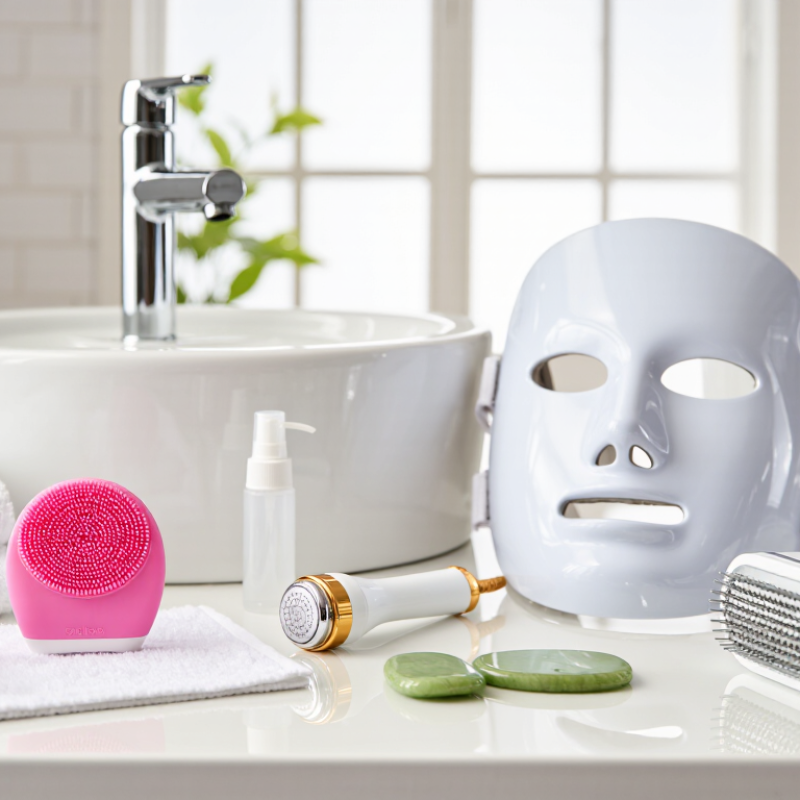
Beauty devices differ, so their cleaning routines should not be treated alike.
Silicone cleansing brushes usually need warm water, mild soap, and complete air-drying. Remove residue from every ridge. Do not soak the handle unless the instructions allow it.
LED masks and microcurrent tools require more care around electrical parts. Wipe their surfaces with a soft, slightly damp cloth after each use. Keep liquid away from charging ports, seams, and control buttons. A dry cotton swab can remove makeup near small edges. Never use abrasive powders or harsh alcohol unless the manufacturer specifically approves them.
Ultrasonic skin spatulas need cleaning immediately after use. Wash the metal blade gently, then dry it before storage. Facial steamers also need regular water-tank care, because mineral deposits can collect around the nozzle. Use the approved cleaning method, not a random household chemical.
I once stored a device while its cable was still damp, and the connector later became unreliable. That mistake changed my routine.
I now inspect cords, seals, and charging points before packing anything away. Store each device in a clean, ventilated pouch, away from bathroom splashes and direct sunlight. Replace cracked covers or damaged cables. Small signs matter.
Safe beauty device maintenance starts with the right supplies. Keep a lint-free microfiber cloth, mild unscented soap, cotton swabs, and a soft-bristled brush nearby. A clean, shallow tray helps prevent small attachments from touching bathroom surfaces. Use distilled water when mineral buildup is a concern, but check the device manual first.
Read the cleaning instructions before applying liquid. Some devices tolerate a lightly damp cloth, while others must stay completely dry. Never soak a powered device or place it near a sink while connected. For removable heads, wash only the parts approved for water contact. A 70% isopropyl alcohol wipe may suit certain hard, non-porous surfaces, but it can damage silicone, coatings, or sensitive plastics. Compatibility matters.
Storage also needs simple controls. Dry every part fully, then place attachments in a breathable pouch or clean drawer. Avoid sealed containers if moisture remains. Keep charging cables loosely coiled, not sharply folded. Inspect the device before each use for cracks, residue, loose parts, or unusual odor. Small faults deserve attention. It is tempting to clean quickly and store immediately, yet trapped moisture can encourage contamination and shorten product life. Replace worn cloths and brushes regularly; dirty supplies can undo careful maintenance. Always follow the manufacturer’s safety guidance, because a convenient method is not automatically a safe one.
Recommended cleaning frequency for commonly used beauty devices, based on a typical three-session-per-week routine. Always follow the device manufacturer's care instructions, especially when using alcohol or liquid cleaners.
Essential supplies include a lint-free microfiber cloth, mild soap, cotton swabs, distilled water, and a dry storage pouch. Never immerse powered devices, block ventilation openings, or store equipment before it is completely dry.
Cleaning routines should match the device surface and power source. Unplug electrical devices before touching them. For facial cleansing brushes, remove the head and rinse its bristles under lukewarm water. Use mild soap, then shake away excess moisture. Wipe the handle with a slightly damp cloth. Never submerge the motor section. Let every part air-dry completely before reassembly.
LED masks need gentler care. Wipe the light panel with a soft, dry cloth after each use. If residue remains, use a lightly dampened cloth approved for electronic surfaces. Avoid alcohol unless the device instructions permit it.
For microcurrent tools and facial rollers, clean the contact surfaces after every session. A damp cloth works well for most tools. Dry metal or stone rollers immediately to prevent dull spots. Store them in a clean pouch, away from humid bathrooms. I once stored a roller beside a steamy shower, and its finish changed faster than expected.
Tips: Clean before storing. Keep cords loosely coiled. Use separate pouches for wet and dry parts. Inspect cracks, loose seals, or unusual heat before use. Hair-removal devices often collect fine hair near treatment windows, so brush debris away carefully. Do not force it into vents. A perfect routine is difficult, and I sometimes miss a cleaning day. Resetting the habit matters more than pretending it never happens. Follow the device’s care guide when materials differ.
Clean beauty devices immediately after use. Remove serum, oil, and skin residue with a soft, lint-free cloth. Do not soak powered devices unless the manufacturer clearly permits it. The CDC’s Guideline for Disinfection and Sterilization states that cleaning must happen before disinfection. Residue can protect microorganisms from disinfectants. Use the approved disinfectant and respect its stated contact time. Wiping too quickly feels clean, but may not disinfect effectively. ISO 17664-1:2021 also emphasizes validated processing instructions for reusable devices.
Clean beauty devices immediately after use.
Dry every surface before storage. Pay attention to charging ports, silicone seams, brush heads, and small grooves. Moisture trapped inside a case can encourage odor and microbial growth. Store the device in a clean, ventilated container, away from bathroom steam and direct sunlight. Never store a damp attachment. I once rushed this step and found residue around a connector later. It was a useful warning, not a proud moment. Inspect the cord, housing, buttons, and treatment surface before each use. Cracks, swelling, exposed wires, or unusual heat require stopping immediately.
Tips: Wash your hands first. Use a fresh cloth. Keep attachments separate. Replace damaged parts through authorized service channels. Record cleaning dates for frequently used devices. The FDA’s guidance on reusable medical devices recommends following validated manufacturer instructions, not improvising with household chemicals. A practical check is simple: clean, disinfect, dry, inspect. Then store.
Beauty devices need protection between uses, not only careful cleaning. I keep each device in a cool, dry drawer away from sinks, windows, and direct sunlight. Moisture can enter charging ports and weaken electrical contacts over time. A clean, dry towel removes remaining water before storage. Never seal a damp device inside a case.
Accessories deserve equal attention. I wash reusable attachments according to their instructions, then let them air-dry completely. Small parts stay in a breathable pouch or divided container. This prevents scratches, dust buildup, and accidental loss. Cords should be loosely coiled, never tightly wrapped around the device. Tight bends can damage the internal wires. Keep chargers separate from liquids and heavy objects.
I once stored a facial tool beside a bathroom window, assuming the case offered enough protection. Condensation later appeared inside the compartment. That mistake changed my routine. Now I check the device, attachment, cable, and storage space before closing the drawer. It takes less than a minute. Batteries also need attention; I avoid leaving rechargeable devices connected indefinitely unless the manufacturer permits it. A storage label can record the cleaning date and missing accessories. My system is not perfect, especially when travel disrupts it. Still, regular checks reveal problems before they become expensive or unsafe.
| Device or Accessory | Cleaning Method | Recommended Frequency | Drying Requirement | Best Storage Practice | What to Avoid |
|---|---|---|---|---|---|
| Facial Cleansing Brush | Rinse the brush head with lukewarm water and mild, fragrance-free soap. Remove product residue from between the bristles. | After every use | Shake off excess water and air-dry completely with the brush head facing upward or in a well-ventilated position. | Store upright in a dry, ventilated area. Keep the removable brush head separate when possible. | Do not store wet in a closed case or use boiling water, bleach, or abrasive cleaners. |
| Silicone Facial Cleansing Device | Wash the silicone surface with warm water and mild soap. Wipe the charging contacts with a clean, slightly damp cloth only. | After every use | Pat dry with a lint-free towel, then allow the device to air-dry before charging or storing. | Place on a clean, dry stand or in a ventilated pouch away from direct sunlight. | Do not submerge a device unless its instructions specifically confirm full waterproof protection. |
| Microcurrent or Facial Toning Device | Turn the device off and wipe contact surfaces with a soft cloth lightly dampened with water. Use a small amount of mild soap only if permitted by the care instructions. | After every use | Dry all metal contact areas and charging ports completely before charging. | Store in a padded, dry case with the cable loosely coiled and separated from the electrodes. | Do not spray liquid directly onto the device or clean it while connected to power. |
| LED Light Therapy Mask | Wipe the skin-contact surface with a soft cloth and a mild, non-abrasive cleaner. Clean straps according to their material. | After every use; disinfect only as allowed by the instructions | Allow the mask and straps to dry fully before folding or placing them in a case. | Lay flat or store in its shaped case to prevent bending, pressure, or stress on the light panel. | Avoid alcohol, harsh solvents, sharp objects, and heavy items placed on top of the mask unless specifically approved. |
| Facial Steamer | Empty the water tank after each session. Wipe the tank and nozzle with a clean cloth. Follow the instructions for mineral-scale removal. | Empty after every use; descale when buildup appears or as instructed | Leave the tank and water pathway open until all moisture has evaporated. | Store upright in a cool, dry place with the tank removed or vented when appropriate. | Do not leave standing water inside the tank or use unapproved descaling chemicals. |
| High-Frequency Facial Device | Disconnect the electrode and wipe the glass tube and handle with a soft cloth. Use only a compatible disinfecting method recommended for the electrode material. | After every use | Dry thoroughly before reconnecting or storing the electrode. | Keep glass electrodes in individual padded sleeves or compartments to reduce breakage and contact damage. | Do not immerse electrical handles or place fragile glass electrodes loose in a drawer. |
| Facial Ice Roller or Cooling Globe | Wash the skin-contact surface with mild soap and water. Rinse away all cleanser residue. | After every use | Dry completely before refrigeration or storage to limit moisture and odor buildup. | Use a clean sealed container in the refrigerator if chilled storage is permitted; keep it separate from food. | Do not freeze unless the product instructions specifically permit freezing, as extreme cold may damage materials or skin. |
| Gua Sha Tool | Clean with warm water and mild soap. For porous materials, use the specific care method recommended for that material. | After every use | Pat dry immediately and allow the tool to air-dry fully. | Store in a soft pouch or clean lined compartment, away from hard objects that could chip or scratch it. | Avoid sudden temperature changes, prolonged soaking, and dropping stone or glass tools. |
| Eyelash Curler | Wipe the frame and pad with a clean cotton pad or cloth. Remove makeup residue from the hinge and rubber pad. | After every use; inspect the pad regularly | Dry immediately after any damp cleaning. | Store in a clean makeup case with the curler closed and protected from heavy pressure. | Replace a cracked, hardened, or misshapen pad to reduce pulling or pinching risk. |
| Makeup Sponge or Reusable Applicator | Wash with a gentle cleanser under lukewarm running water until the water runs clear. Do not twist aggressively. | After every use; replace when damaged or persistently stained | Squeeze gently, blot with a clean towel, and air-dry in an open area. | Keep in a ventilated container rather than a sealed pouch while damp. | Do not store wet in a closed cosmetic bag, share personal applicators, or use one with visible mold or tears. |
| Device Charging Cable and Adapter | Unplug first, then wipe with a dry or slightly damp cloth. Keep connectors free from oils, water, and cosmetic residue. | Inspect weekly and clean when residue is visible | Ensure the cable and connectors are fully dry before plugging in. | Coil loosely without sharp bends and store away from heat, moisture, and metal objects. | Do not pull the cable by its cord, tightly wrap it around the adapter, or use it if the insulation is damaged. |
| Protective Case or Storage Pouch | Empty loose debris and wipe the interior with a suitable cleaner for the lining material. Wash removable fabric sections when permitted. | Weekly or whenever visibly soiled | Dry completely with the case fully open before placing devices inside. | Use separate compartments for the device, attachments, cables, and products to prevent scratches and cross-contamination. | Do not close the case around warm, damp, or recently cleaned equipment. |
General safety rule: Always follow the device manufacturer's cleaning, water-resistance, charging, and replacement instructions when they differ from these general practices. Unplug electrical devices before cleaning, and keep all equipment away from children and excessive heat or humidity.
Keep a lint-free microfiber cloth, mild unscented soap, cotton swabs, and a soft brush nearby. A shallow tray helps.
No. Check the care instructions first. Some parts tolerate water, while powered sections must remain completely dry.
Remove the brush head and rinse its bristles with lukewarm water. Use mild soap. Wipe the handle separately.
Wipe its light panel with a soft, dry cloth. Use slight moisture only when the instructions allow it.
Wipe contact surfaces after each session. Dry them immediately. This helps prevent dull spots and moisture damage.
Brush fine hair away from the treatment window. Do not push debris into vents. Inspect the area before storage.
Use a cool, dry drawer away from sinks, sunlight, and humid showers. A breathable pouch protects small attachments.
Coil cables loosely. Avoid sharp folds and tight wrapping. Do not leave devices charging indefinitely unless permitted.
Look for cracks, residue, loose parts, damaged seals, unusual heat, or strange odors. Small faults deserve attention.
Restart the routine without pretending it was perfect. Clean before storage, dry every part, and check the device again.
Keeping beauty devices clean and properly stored is essential for hygiene, performance, and long-term use. This guide explains how to clean and store beauty devices according to their type, including cleansing tools, facial rollers, LED devices, hair styling tools, and other personal-care equipment. It covers suitable supplies such as soft cloths, gentle soap, cotton swabs, disinfecting solutions compatible with the device, and clean water, while emphasizing that electrical parts should never be submerged.
The article provides step-by-step cleaning methods, followed by safe drying, disinfection, and inspection procedures. Readers will learn how to check for residue, moisture, cracks, loose parts, or damaged cords before using or storing each device. It also presents practical storage habits, such as keeping devices completely dry, protecting delicate surfaces, organizing accessories, avoiding excessive heat and humidity, and storing items in clean, covered spaces. These simple routines help maintain device quality and support a safer, more effective beauty-care experience.

Rudiz Beauty